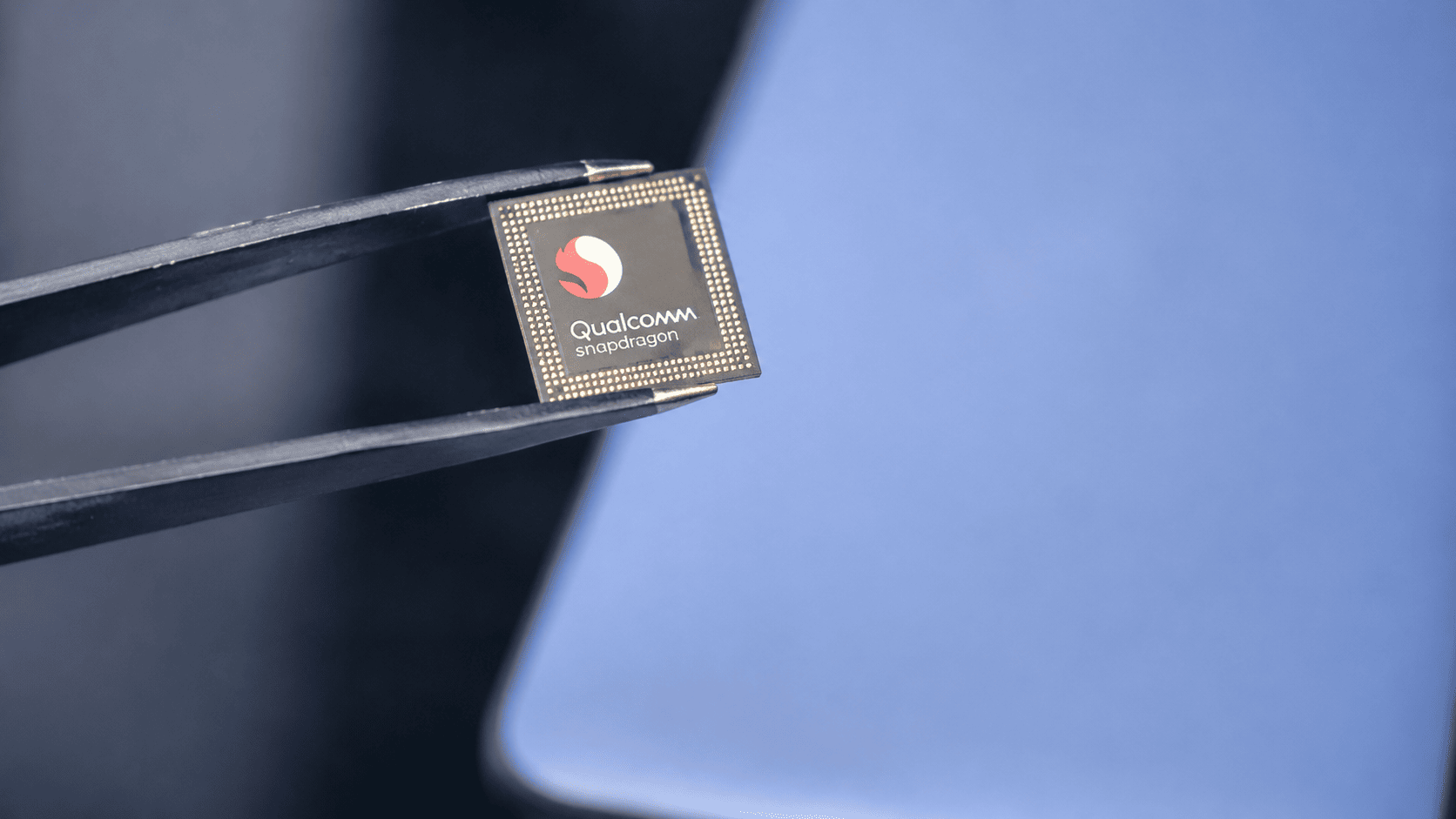
Qualcomm's fiscal fourth-quarter results topped Wall Street forecasts, yet the stock slipped in after-hours trading as investors weighed management's cautious outlook and persistent softness in the smartphone market.
The chipmaker reported adjusted earnings of $2.17 per share on revenue of $10.32 billion, narrowly beating consensus estimates. However, the company guided for current-quarter earnings in the range of $2.15 to $2.35 per share on revenue of at least $10.4 billion, a forecast that implied only modest growth and failed to reassure investors.
Shares of Qualcomm have fallen roughly 30% from their year-to-date high, reflecting ongoing concerns about the company's core business.
Smartphone weakness remains a drag
While the headline numbers looked solid, a closer examination revealed that Qualcomm's handset chip sales, which totaled $5.14 billion in the quarter, came in below analyst expectations. Management attributed the shortfall to rising memory prices, which are prompting smartphone manufacturers to increase device prices and thereby dampening consumer demand.
Smartphones are Qualcomm's largest profit engine, so even a slight miss in this segment can overshadow gains in other areas. Investors are no longer satisfied with mere earnings beats; they want evidence that the smartphone cycle is improving. Until that happens, each earnings report is likely to be judged primarily on the health of global handset demand rather than the company's overall execution.
Diversification gains momentum
Beyond the handset market, Qualcomm's long-term strategy is showing signs of progress. Automotive revenue surged 89% year-over-year to $1.99 billion, comfortably exceeding expectations. The company is also expanding into AI infrastructure and data-center connectivity, a segment that has become a focal point for semiconductor investors.
Management disclosed that data-center-related revenue reached approximately $650 million during the quarter and reiterated ambitions for significantly larger contributions in the future. Additionally, Qualcomm highlighted a recently announced technology partnership with SpaceX, underscoring how its connectivity expertise is opening new markets beyond smartphones.
For long-term shareholders, these developments are crucial because they reduce reliance on a single industry. A more diversified revenue base could eventually make Qualcomm less vulnerable to the boom-and-bust cycles that have historically characterized the smartphone market.
Market reaction and outlook
The negative market response illustrates a common lesson in earnings season: stocks often trade on future expectations rather than past performance. Qualcomm's quarterly results were respectable, but the guidance suggested a slower near-term environment than investors had hoped for.
Forecasts for the current quarter implied only modest growth, and concerns about smartphone demand remain unresolved. However, dismissing the report as disappointing may be shortsighted. Qualcomm appears to be navigating a difficult transition period, with its legacy smartphone business slowing while automotive and AI opportunities accelerate.
Investors willing to look beyond the next quarter may see a company steadily repositioning itself for the next era of computing and connectivity. Ultimately, this earnings report was not about missing numbers; it was about a company caught between two narratives: a mature smartphone market that is holding back sentiment today and emerging growth businesses that could define Qualcomm's future tomorrow.
This article is for informational purposes only and does not constitute financial advice.