Nvidia (NASDAQ: NVDA) shares tumbled more than 8% in after-hours trading on Wednesday, while rivals Advanced Micro Devices (NASDAQ: AMD) and Broadcom (NASDAQ: AVGO) advanced, as investors weighed the potential fallout from a leadership crisis at the AI chip giant.
The selloff reversed a 2.87% gain during the regular session, when Nvidia closed at $173.73. In extended trading, the stock fell 8.61%. Meanwhile, AMD rose 4.36% and Broadcom gained 2.40% after hours.
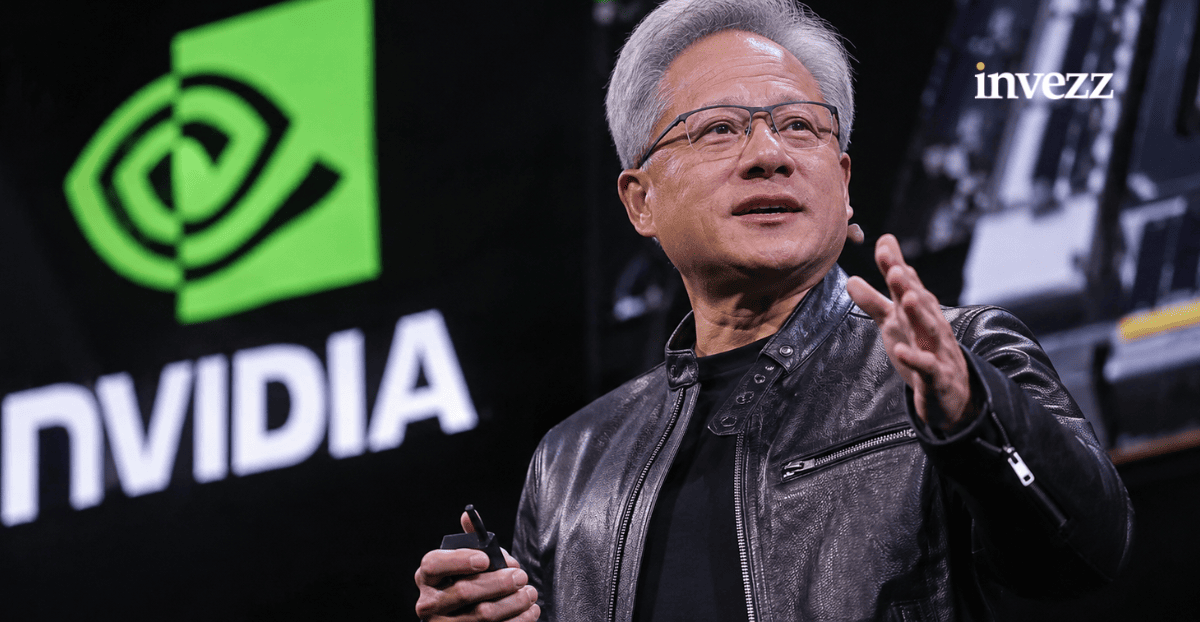
The divergence followed reports that Nvidia's board was considering removing chief executive Jensen Huang. While no departure has been confirmed, the market's reaction reflects concerns about disrupted leadership and a search for alternative AI investments.
Why Nvidia's leadership crisis shook investors
Huang co-founded Nvidia in 1993 and has been instrumental in its evolution from graphics chips to the processors powering much of the AI boom. His influence spans product development, partnerships with cloud providers, and financing arrangements across the industry.
The board launched an independent investigation on Sunday after reports that Huang had been targeted by a foreign intelligence operation. Nvidia stated it had no reason to believe company secrets or national security had been compromised.
Subsequent reports that directors were discussing his removal added a new layer of uncertainty just ahead of the company's quarterly results.
“He's the face of Nvidia and Nvidia has been front and centre of the AI build-out,” Jun Bei Liu, a portfolio manager at Ten Cap, told Reuters. She warned that uncertainty could also affect businesses Nvidia finances or supports.
Why AMD and Broadcom are attracting buyers
AMD offers competing Instinct AI accelerators, giving cloud operators an alternative to Nvidia's graphics processors. It also supplies server CPUs, including sixth-generation EPYC chips whose general availability it announced on Tuesday.
Those CPUs support data-centre workloads but are not direct substitutes for Nvidia's leading AI accelerators.
Broadcom has a different opportunity. It helps large technology customers design custom AI processors and supplies networking equipment connecting data-centre systems. Its growth need not depend on replacing Nvidia chips one-for-one.
Mandeep Singh, Bloomberg Intelligence's global technology research head, told Bloomberg that competitors including AMD and Google's Tensor Processing Units could “have a chance to improve their market share”.
Other analysts see opportunities beyond Nvidia's immediate difficulties. Goldman Sachs analyst James Schneider told Yahoo Finance he found AMD attractive because of its growth potential, although he considered its valuation less compelling.
Could Nvidia's rivals turn share gains into business?
Nvidia's competitive advantages remain substantial. Its CUDA software ecosystem, accelerators and relationships with major cloud providers are embedded in customers' systems.
Beyond selling chips, Nvidia also helps finance infrastructure expansion through investments and commitments, making any strategic changes important for smaller cloud customers and their lenders.
Second-quarter fiscal 2027 revenue reached $96.2 billion, including $89 billion from Data Center operations. But shifting investments and switching suppliers are very different decisions.
“The first can happen quickly in the stock market. The second requires customers to make long-term architecture and procurement decisions around AMD,” Afsheen Afshar of Pilot Wave Holdings told MarketWatch.
Switching hardware may involve rewriting software, testing performance and renegotiating procurement plans. Even customers seeking a second supplier cannot necessarily move workloads overnight.
Nvidia's results on 17 November will offer a clearer view of demand, margins and infrastructure spending, although earnings alone cannot settle the leadership question.
This article is for informational purposes only and does not constitute financial advice.