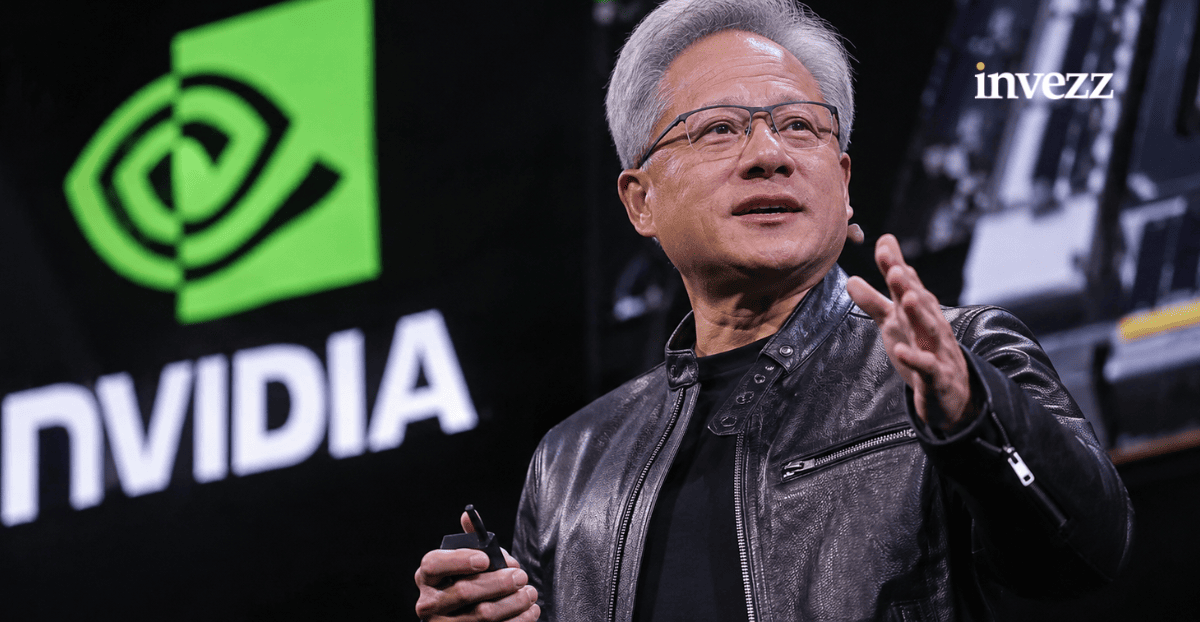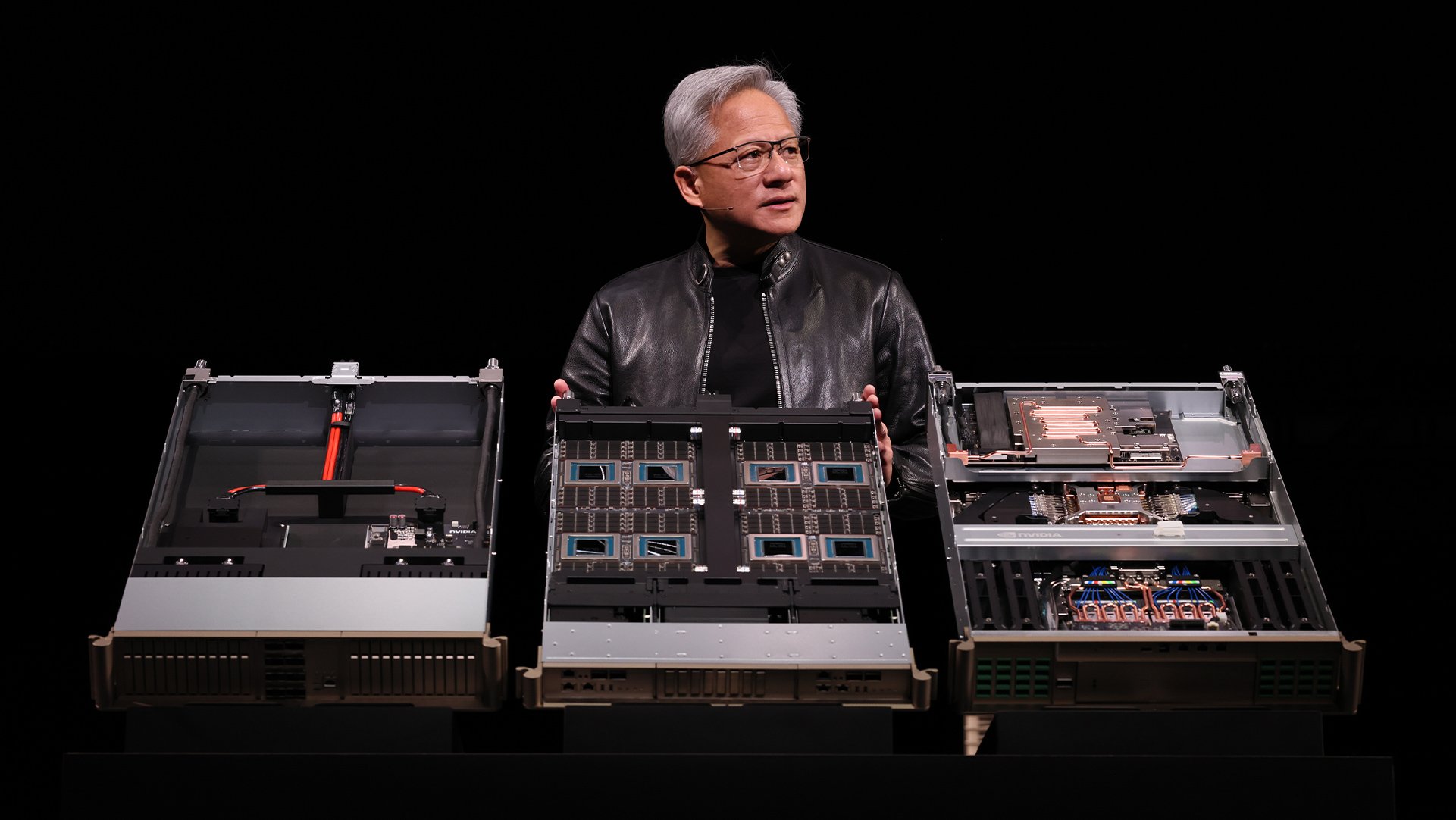
Nvidia's shares have entered a period of heightened volatility as investors weigh the implications of potential leadership changes against the company's still-robust financial performance. The stock closed Wednesday at $173.73, up 2.9% in regular trading, but plunged more than 8% in after-hours trading following reports that the board was considering removing CEO Jensen Huang.
The sell-off has pushed Nvidia's forward price-to-earnings ratio to approximately 11.4 times expected earnings, a level not seen since October 2011, according to Dow Jones Market Data. This marks a dramatic shift for a company that has been at the center of the AI boom, and it raises the central question: does the current valuation represent a buying opportunity or a value trap?

Leadership Uncertainty Clouds the Outlook
The immediate catalyst for the decline is a Wall Street Journal report that Nvidia's board was preparing to discuss Huang's future following allegations involving two extramarital relationships. One report involved an alleged relationship with a company executive who reported to Huang, while another concerned a Chinese businesswoman suspected of having intelligence connections. Reuters relayed the report but could not independently verify it at the time.
These allegations have raised governance and national-security concerns, though no finding has established that Huang compromised company secrets. Nvidia had previously expressed confidence in Huang and his leadership team, and his removal had not been publicly confirmed at the time of writing.
Huang has been instrumental in Nvidia's transformation from a graphics-chip maker into one of the world's most valuable technology companies. His potential departure would create significant succession uncertainty, potentially affecting customer relationships and the company's ability to maintain its competitive edge in AI computing.
Valuation at a 15-Year Low
For value-oriented investors, the current valuation is striking. Nvidia's forward P/E of 11.4 compares favorably to Advanced Micro Devices at 30.4 and Broadcom at 16.5. The stock's decline has also created a wide gap between its market price and Wall Street's consensus forecasts. Reuters reported that 59 of 64 brokerages covering Nvidia still rate it a buy or strong buy, with a median price target of $314.
However, these targets may not fully reflect the latest leadership developments, and analyst forecasts are not guarantees of future returns. The apparent discount depends on Nvidia delivering the strong earnings growth currently expected. If those forecasts deteriorate, the valuation could quickly become less attractive.
AI Business Remains Exceptionally Strong
Despite the turmoil, Nvidia's latest financial results underscore the immense demand for its AI technology. The company reported second-quarter fiscal 2027 revenue of $96.2 billion, up 106% year-over-year. Its data center business generated approximately $89 billion in revenue, a 117% increase, highlighting continued investment in AI infrastructure. Nvidia also posted a non-GAAP gross margin of 75%, indicating that rapid growth has not eroded profitability.
Looking ahead, Nvidia forecast third-quarter revenue of approximately $108 billion, plus or minus 2%. These figures suggest that the underlying business remains exceptionally strong, even as the share price comes under pressure. Major cloud providers, AI developers, and enterprises continue to invest heavily in computing infrastructure, and Nvidia's hardware, software, and networking ecosystem remains difficult for competitors to replicate.
Wall Street Turns More Cautious
While the financial performance is impressive, several investment banks have adopted a more cautious stance. Baird downgraded Nvidia to neutral on November 11, citing uncertainty surrounding leadership and visibility into future data center spending. Morgan Stanley also removed Nvidia from its Top Pick list, reflecting growing concerns about near-term risks.
For long-term investors who remain confident in AI infrastructure demand, the sell-off could offer an opportunity to gain exposure at a lower valuation. For those considering a short-term position, the uncertainty surrounding Huang's future and the upcoming earnings announcement on November 17 may warrant a more patient approach. Much depends on whether the current disruption affects Nvidia's underlying business or primarily reflects a loss of investor confidence.
This article is for informational purposes only and does not constitute financial advice.