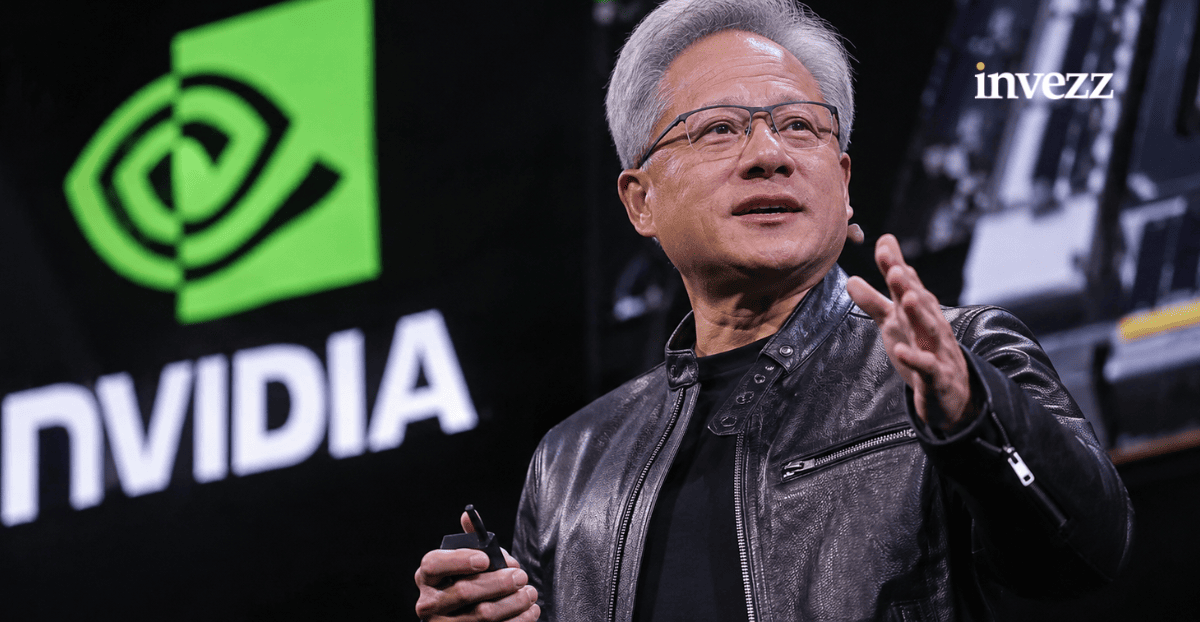
Allegations surrounding Nvidia chief executive Jensen Huang have intensified scrutiny on the company's leadership, national security implications, and the concentration of investor confidence in a single executive. The controversy adds another layer of uncertainty for investors already navigating a volatile technology sector and geopolitical tensions.
Leadership Risk at Nvidia
Huang has become synonymous with the artificial intelligence boom, positioning Nvidia as the central supplier of computing infrastructure for AI development. This close association has created a premium around the company, but it also introduces vulnerability. A substantial portion of investor confidence is tied to Huang personally, making the company's reputation and leadership structure critical during this period of heightened scrutiny.
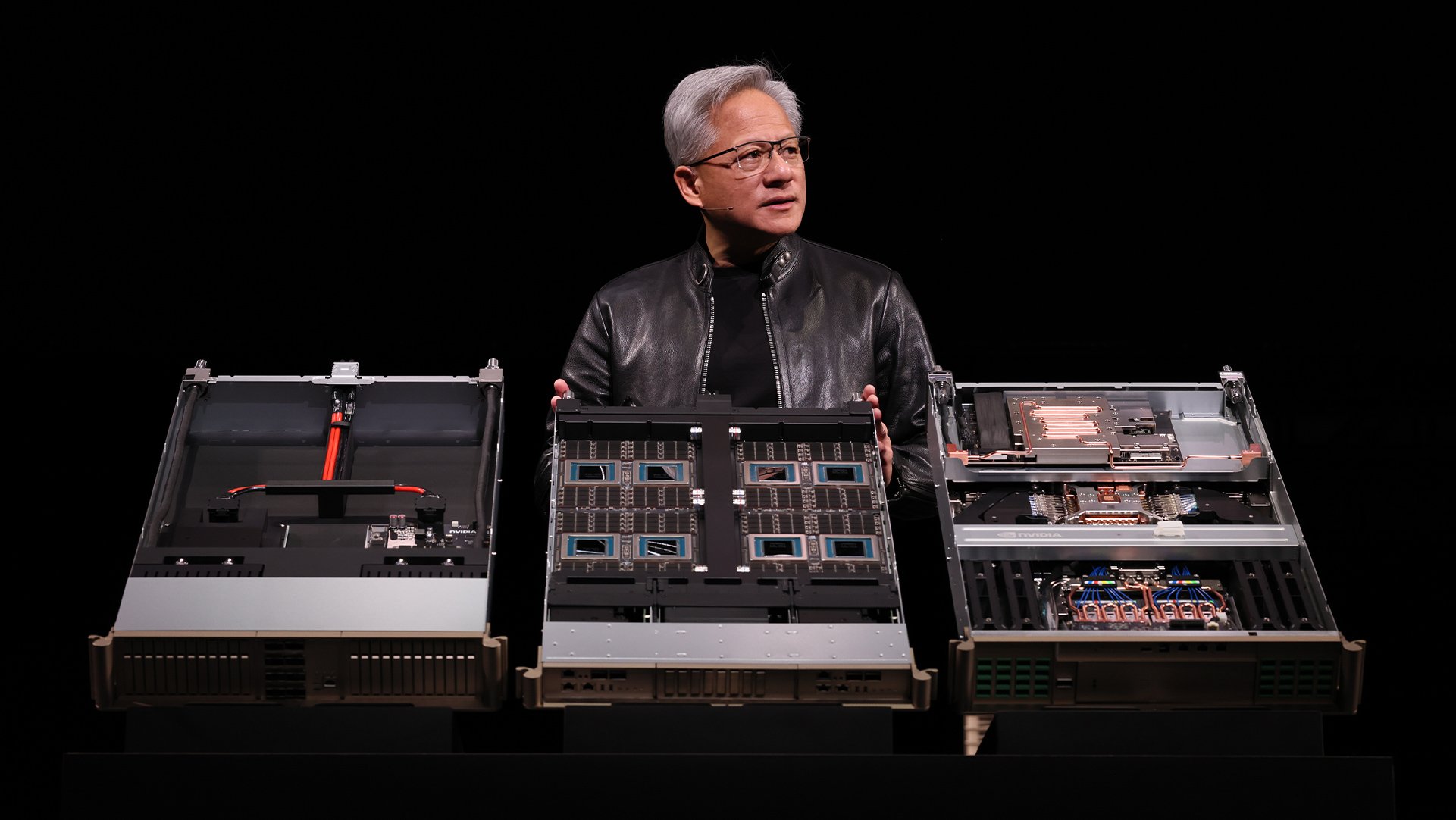
Susannah Streeter, chief investment strategist at Wealth Club, noted that questions about Huang's judgment could have an outsized effect on Nvidia's valuation. She suggested that Nvidia could attempt to demonstrate that its leadership bench extends beyond its chief executive, reassuring investors that a transition of power would not derail strategic direction. Streeter pointed to Apple's transition from Steve Jobs to Tim Cook as an example of a founder-led company successfully moving into a new phase under different leadership.
Streeter also raised concerns about the concentration of authority around other prominent technology executives, such as Elon Musk at Tesla and SpaceX. She noted that Tesla's stock has previously been weighed down by concerns about Musk's divided attention across multiple responsibilities.
National Security and Chip Export Tensions
The allegations have also complicated the already contentious debate in Washington over whether advanced AI chips should be exported to China. President Donald Trump has taken a pragmatic approach, arguing that the United States should monetize its technological advantage rather than cede markets to Chinese competitors. However, the Nvidia controversy has added a national security dimension to this politically charged debate.
Streeter expects lawmakers to seek greater oversight of advanced chip exports, including measures requiring companies to track chips overseas to prevent smuggling. She also anticipates pressure on allies to restrict exports of semiconductor manufacturing equipment to China. With Democrats gaining control of the House and Senate, Streeter expects increased pressure for tighter AI regulation and restrictions on the influence of large technology companies.
Investor Strategy: Diversification and Long-Term Perspective
For investors, Streeter advises reassessing portfolio concentration rather than making an immediate decision to sell Nvidia shares. She warns that many investors may have more exposure to a small group of US technology companies than they realize, particularly through broad global funds. "You have to make sure that you are well diversified across sectors and geographies and make sure that you haven't put all your eggs in one basket," she said.
Streeter argues that investors should distinguish between short-term volatility and the longer-term prospects for the AI industry. Nvidia remains an important supplier, and demand for its chips is still high. However, not every company associated with the AI boom will become a long-term winner. She compared the current investment cycle to the dot-com period, where many high-profile companies failed even as some, like Amazon, became major beneficiaries of the internet's expansion.
Investment decisions should also reflect an investor's time horizon and risk tolerance. The controversy surrounding Huang is a reminder of the importance of diversification and the need to assess risk against individual investment goals.
This article is for informational purposes only and does not constitute financial advice.