Nvidia shares fell approximately 7% in after-hours trading on Wednesday after The New York Times reported that chief executive Jensen Huang had an extramarital relationship with Kimberly Powell, the company's vice president of healthcare. The stock, which closed the regular session up 2.87% at $173.73, dropped to $161.50 by 6:54 p.m. ET, according to Nasdaq.com. At one point, it traded below $158, more than 9% below the close.
The decline accelerated following a second report from The Wall Street Journal, relayed by CNBC and Reuters, indicating that Nvidia's board was preparing to oust Huang and could meet as soon as Wednesday to decide his fate. Neither Nvidia, Huang, nor Powell has confirmed the allegations, and Reuters said it could not immediately verify the reports.
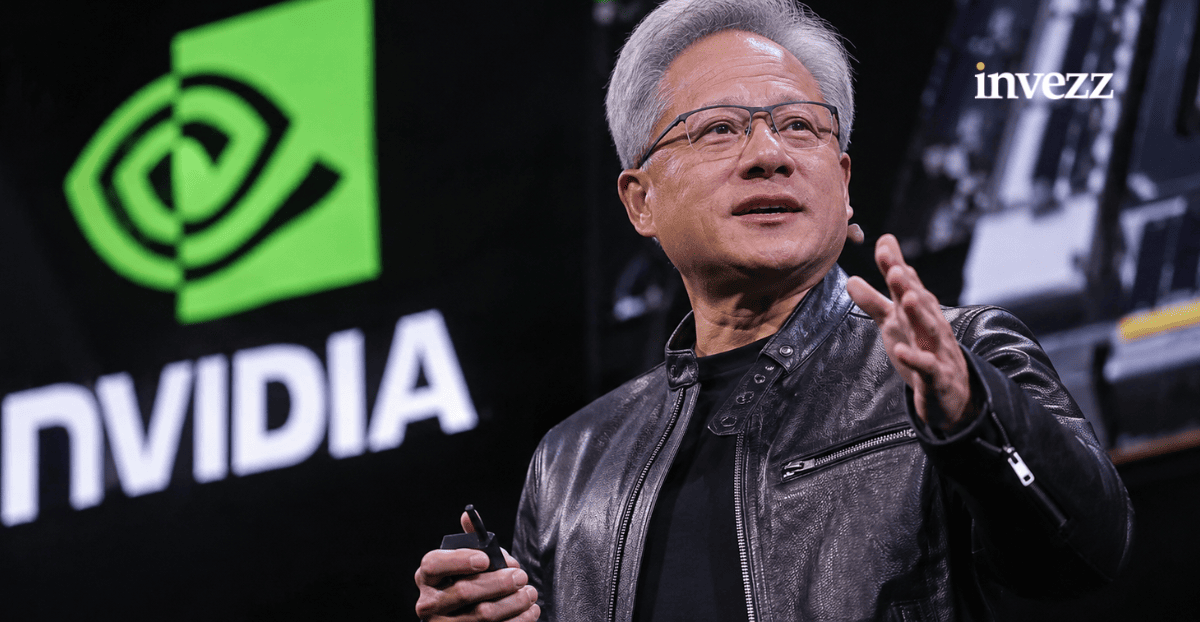
What the reports allege
The Times, citing five people who worked at Nvidia, said Huang and Powell had a relationship, and both are married to others. The report also claimed that a bystander filmed the two being affectionate at a San Jose hotel during Nvidia's GTC conference in March, and that Huang's security team sequestered the person and offered a nondisclosure agreement. The Times has not seen the video itself, and the account rests on unnamed sources and an unverified video.
When reached by phone, Huang reportedly said, "I don't think you should be talking to me directly," before hanging up. Nvidia declined to comment, and Powell did not respond to requests for comment.
Who is Kimberly Powell?
Powell is a long-serving Nvidia executive, not a public figure. Her Nvidia biography describes her as vice president of healthcare, overseeing the company's worldwide healthcare business, which includes hardware and software for accelerated computing, AI, and visualization used in medical imaging, life sciences, drug discovery, and healthcare analytics. She joined Nvidia in 2008 to establish its graphics processors as the accelerator platform for medical imaging instruments, and previously led the higher education and research business, NVIDIA AI Labs, and the NVIDIA Inception programme.
Healthcare is a small segment compared to Nvidia's data center GPU business, so the market relevance of the report lies in what it means for Huang's leadership.
Context: A stock already under pressure
Nvidia was already falling before Wednesday's reports. The stock lost 9.5% across Monday and Tuesday, from $186.64 at Friday's close to $168.89, following Huang's admission of infidelity and the board's announcement of an independent investigation into whether he had been targeted by foreign intelligence. The investigation, overseen by independent directors, found "no reason to believe that either national security or NVIDIA secrets were compromised" and expressed confidence in Huang.
Wednesday's regular-session gain of 2.87% lagged a broad chip rebound, with AMD up 7.32%, Broadcom up 3.99%, and the PHLX Semiconductor index up 5.66%. From the October 28 close, the day before the first Times report, Nvidia fell 19.3% through Wednesday's close, compared to a 9.6% drop in the PHLX index, a 4.4% decline in AMD, and a 1.9% drop in Broadcom. Part of that slide was sector-wide, but Nvidia's underperformance suggests investors are pricing in a Huang-specific risk.
The after-hours price of $161.50 reflects continued uncertainty about the CEO's future and the potential for board action.
This article is for informational purposes only and does not constitute financial advice.