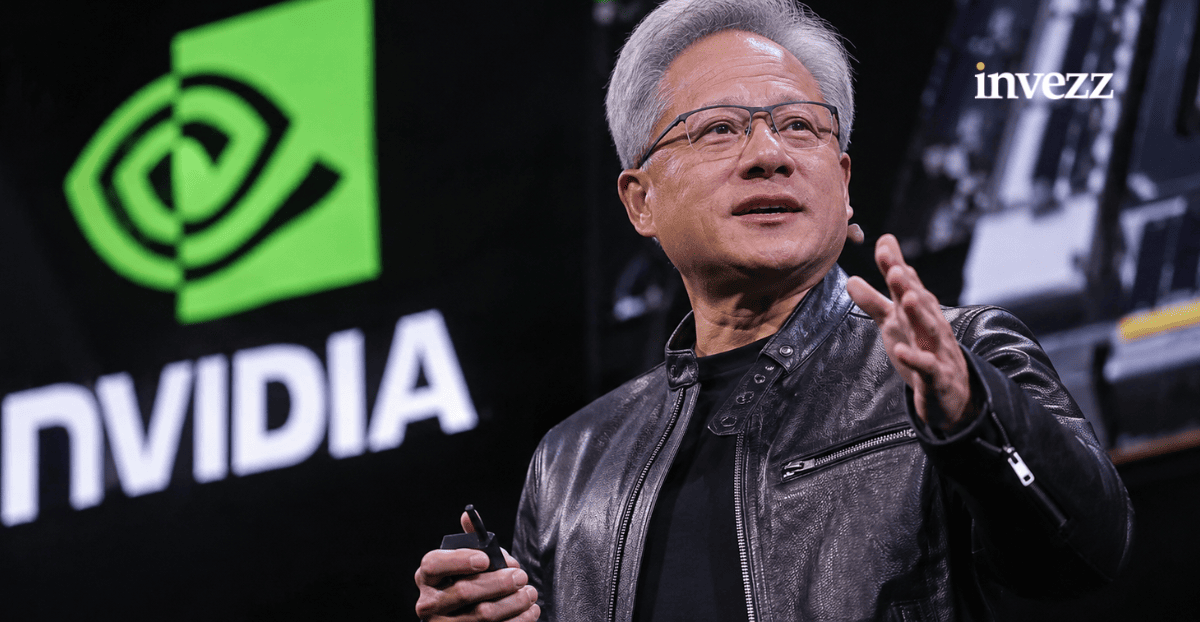
Micron Technology (NASDAQ: MU) and SanDisk (NASDAQ: SNDK) shares declined in Thursday's pre-market session, giving back part of Wednesday's sharp gains as uncertainty over Nvidia CEO Jensen Huang's future rippled through the AI supply chain. Micron traded at $790.92, down 2.51%, while SanDisk fell 2.95% to $948.88, following Wednesday's rallies of 11.89% and 13.69%, respectively.
The sell-off came after Nvidia plunged more than 8% in after-hours trading on reports that its board was considering removing Huang. Nvidia had closed Wednesday's regular session up at $173.73, but the overnight news reversed sentiment and spread to companies tied to AI computing. Nasdaq futures also retreated as investors trimmed exposure to technology shares.
Wednesday's Rally Reversed
Wednesday's rebound had been fueled by CoreWeave's latest results, which eased concerns that large AI infrastructure projects were losing momentum. Micron closed at $811.30, while SanDisk finished at $977.69, before the mood shifted overnight. The leadership controversy poses a difficult problem for investors who have concentrated capital in companies seen as essential to AI expansion, according to Terri-Leigh Bennett, chief operating officer at CMS Prime, in comments to Reuters.
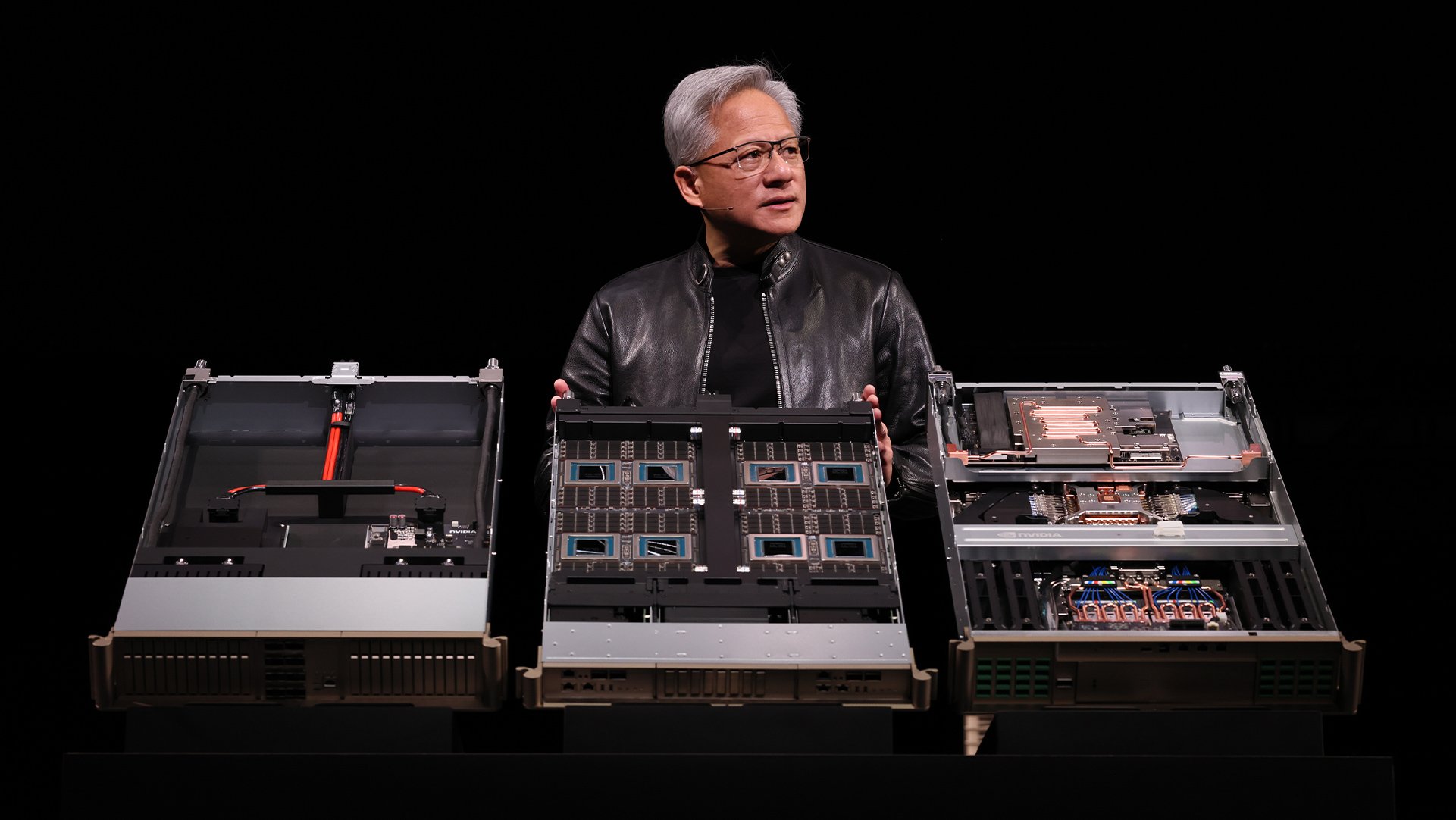
Nvidia's processors are embedded in data centers supplied by numerous chipmakers, equipment manufacturers, and cloud operators, so questions about its leadership affect expectations for projects across the sector. However, a sharp fall in pre-market share prices is not proof that companies are cutting investment or canceling purchases.
Different Risk Profiles
Micron produces dynamic random-access memory, including high-bandwidth memory used alongside advanced AI accelerators. Its fourth-quarter revenue reached $54.23 billion, compared with $11.32 billion a year earlier, reflecting strong demand and higher prices. SanDisk specializes in NAND flash memory and solid-state storage, with fiscal first-quarter revenue of $11 billion, up 23% sequentially, and management forecasting $12.2 billion to $12.6 billion for the next quarter.
This distinction matters because a delay to Nvidia's next accelerator platform could affect Micron's near-term memory expectations more directly than SanDisk's broader storage business. Charu Chanana, chief investment strategist at Saxo Bank, noted that the key question is whether Nvidia's problems simply redistribute AI spending toward competitors or begin to disrupt spending itself. She added that alternative accelerator platforms also require advanced memory, potentially protecting demand if spending shifts between chip suppliers.
Jim Cramer drew a sharper distinction on CNBC, saying, "I'm not a SanDisk fan. I'm a Micron fan," reflecting Micron's stronger connection to high-bandwidth memory.
Memory Boom Still Intact?
The sell-off arrives despite evidence of tight supplies and rising prices. Memory manufacturers have benefited from large data-center budgets, although heavy investment and the sector's history of price swings make investors wary of another cycle turning. Morgan Stanley analyst Shawn Kim described an earlier correction as "a healthy reset," arguing that strong earnings revisions and DRAM pricing supported the industry's outlook.
The next signal may come from cloud companies' capital expenditure plans. Investors will want confirmation that new facilities remain funded and that orders are proceeding as scheduled.
This article is for informational purposes only and does not constitute financial advice.