With the 2026 midterm elections approaching, former White House chief of staff Mick Mulvaney has issued a stark warning: the ongoing Iran conflict and its economic ripple effects could significantly damage Republican chances at the ballot box. Speaking on CNBC, Mulvaney argued that while foreign policy often takes a backseat in voters' minds, the direct impact on household budgets—particularly at the gas pump—will be a decisive factor.
Economic pain at the pump
Mulvaney pointed to the Iran war's disruption of shipping through the Strait of Hormuz, a critical chokepoint for global oil supplies. With Brent crude hovering near $90 per barrel and U.S. gasoline prices up nearly 30% year-over-year, consumers are feeling the strain. "Most Americans don't follow foreign policy that closely," Mulvaney said. "What they're really driven by is what they are paying for gas." He added that rising energy and food costs are "only going to do one thing to the Republicans and hurt their chances for sure."
Trade friction with Canada adds risk
Beyond Iran, Mulvaney criticized the administration's decision to escalate trade tensions with Canada, a key ally and trading partner. Battleground states like Michigan, Ohio, and Iowa rely heavily on Canadian exports, and Michigan depends on Canadian electricity. Mulvaney noted that while Republicans were expected to hold the Senate, these unnecessary disputes "put states in play that we didn't want to be in play." The combination of tariffs and military escalation creates political repercussions that "none of them are favorable to the Republicans."
Midterm outlook dims
The convergence of sustained military conflict, elevated fuel inflation, and trade friction has severely weakened the GOP's position. Former Senator Heidi Heitkamp, who appeared alongside Mulvaney, suggested that rallying the Republican base at this stage may be "a little too late" to shift public sentiment. Mulvaney acknowledged that presidents should not govern solely by polls, citing historical precedents like John F. Kennedy's Vietnam dilemma, but he stressed that political realities remain unchanged.
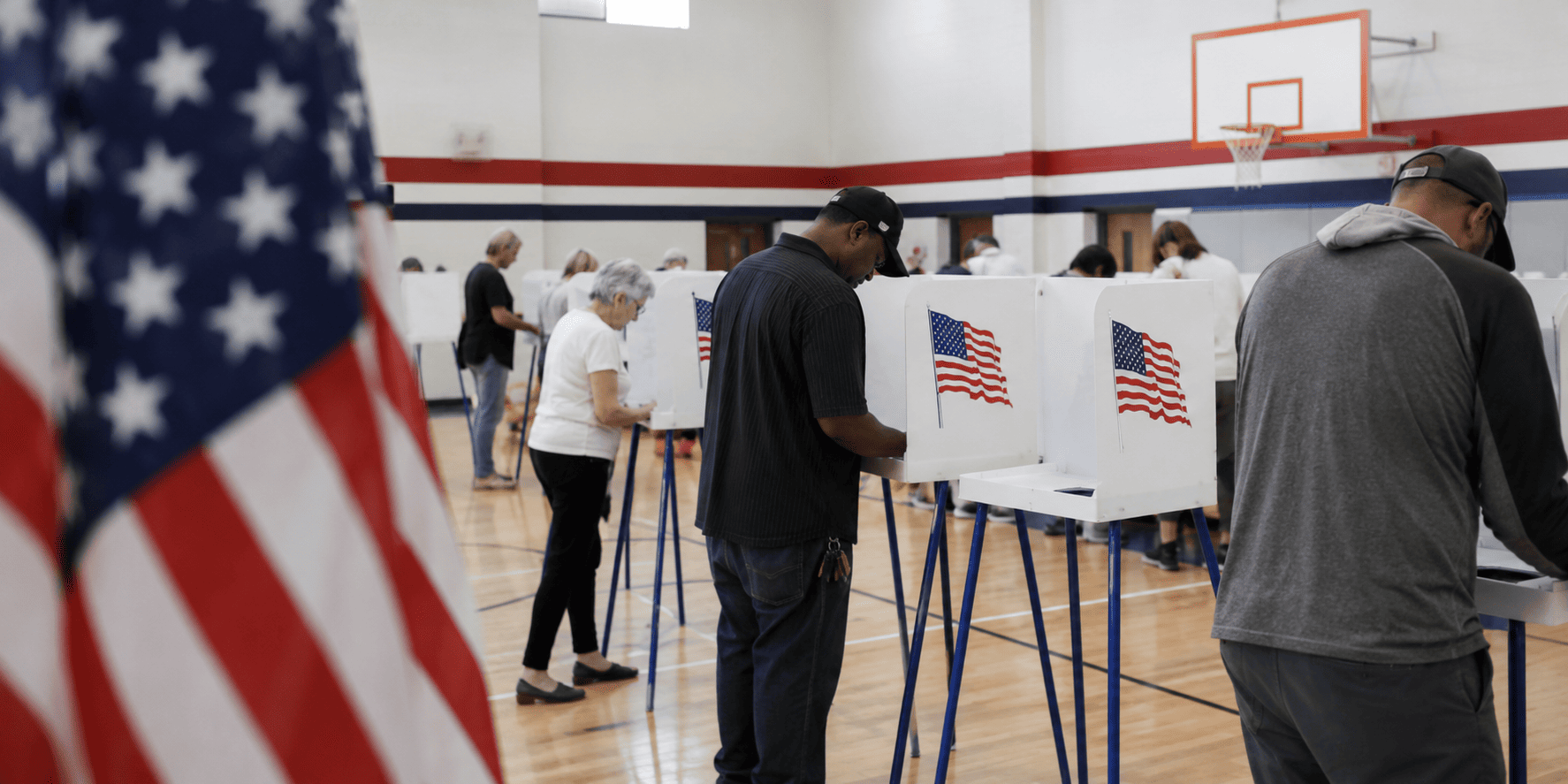
Without immediate relief at the pump or a swift resolution in the Middle East, Republicans face an uphill battle to maintain control of Congress. The midterms are scheduled for Tuesday, November 3, 2026.
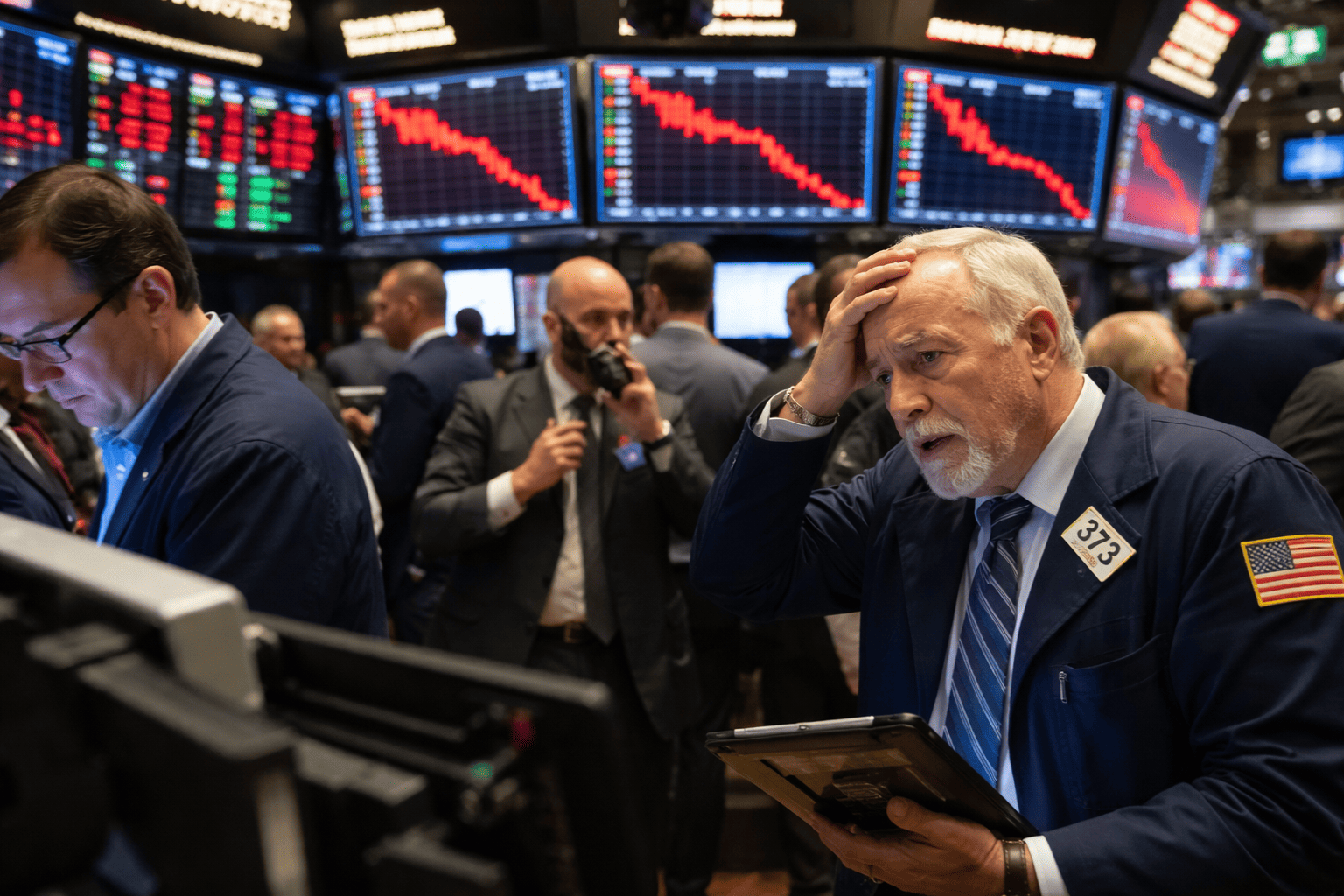
Investors are also watching these developments closely. The Nasdaq and S&P 500 face headwinds from Iran tensions, while oil prices remain volatile. Meanwhile, corporate midterm spending has hit a record $517 million, driven by crypto, AI, and betting firms, indicating high stakes for market sectors.
This article is for informational purposes only and does not constitute financial advice.