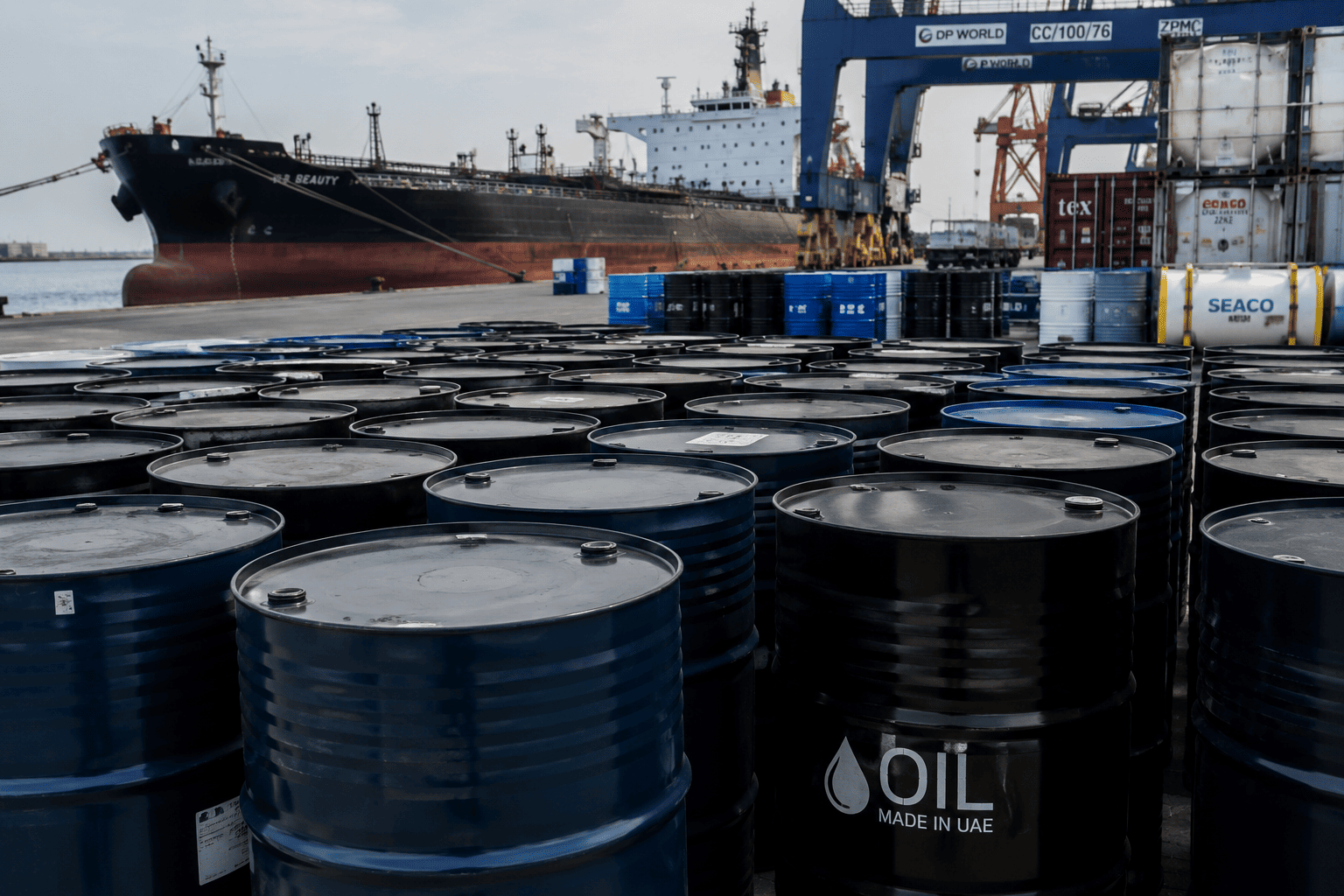
Crude oil futures ended the week little changed, with Brent settling at $88.28 per barrel and West Texas Intermediate (WTI) at $83.45. Both benchmarks have been trading in a narrow band for weeks, yet several underlying factors suggest that a significant price move could be on the horizon.
US-Iran standoff keeps geopolitical premium intact
The absence of a formal ceasefire between Washington and Tehran remains the central risk for oil markets. While both sides have paused direct military action, the Trump administration has shifted to economic pressure, with Treasury Secretary Scott Bessent unveiling what he calls "Operation Economic Outcast." The initiative aims to isolate Iran financially, but analysts question whether it can force Tehran back to the negotiating table.
China and Russia have reaffirmed their support for Iran, and the United Arab Emirates—a key trading partner—continues to conduct substantial business with Iranian entities. According to a Wall Street Journal report, Iranian businesses remain active in the UAE, despite U.S. sanctions. Iran has warned that it could target Dubai International Airport and critical infrastructure if the UAE cooperates with Washington, and has also threatened to disrupt regional internet cables.
Iranian officials are also closely monitoring reports of U.S. military strain in the region, including ammunition shortages and deteriorating conditions on aircraft carriers. Some analysts believe Tehran might launch a preemptive strike against U.S. assets before the midterm elections, a move that could force a U.S. response and send oil prices sharply higher.
Inventories at critical lows
Adding to the bullish case, U.S. crude inventories remain at concerning levels. The Strategic Petroleum Reserve (SPR) has fallen to a 40-year low of 289 million barrels, approaching the statutory minimum of 252 million barrels. Meanwhile, signs of renewed Chinese buying could boost demand in the coming months, further tightening the market.
Even the recent U.S. deal to resume Venezuelan oil exports is unlikely to provide near-term relief, as analysts note that it could take years for meaningful volumes to reach the market. Domestic opposition in Venezuela may also complicate the agreement.
Technical setup points to breakout
From a technical perspective, WTI has been compressing into a large triangle pattern, with the two trendlines converging. This formation often precedes a significant directional move. Given the persistent geopolitical risks, a bullish breakout appears more likely than a downside break, though traders should remain cautious about false signals.
For broader context, oil's recent rangebound action contrasts with other markets, such as gold's retreat from record highs as traders focus on upcoming economic data. Meanwhile, sanctions on Iran and potential Chinese demand remain key variables to watch.
Investors should also keep an eye on sticky inflation readings that could influence Federal Reserve policy and, by extension, the dollar's strength—an inverse driver for oil prices.
In summary, while crude prices have been subdued, the combination of geopolitical uncertainty, low inventories, and a tightening technical pattern suggests that the next major move could be to the upside. However, any sudden de-escalation in the Middle East could quickly erase the risk premium.
This article is for informational purposes only and does not constitute financial advice.