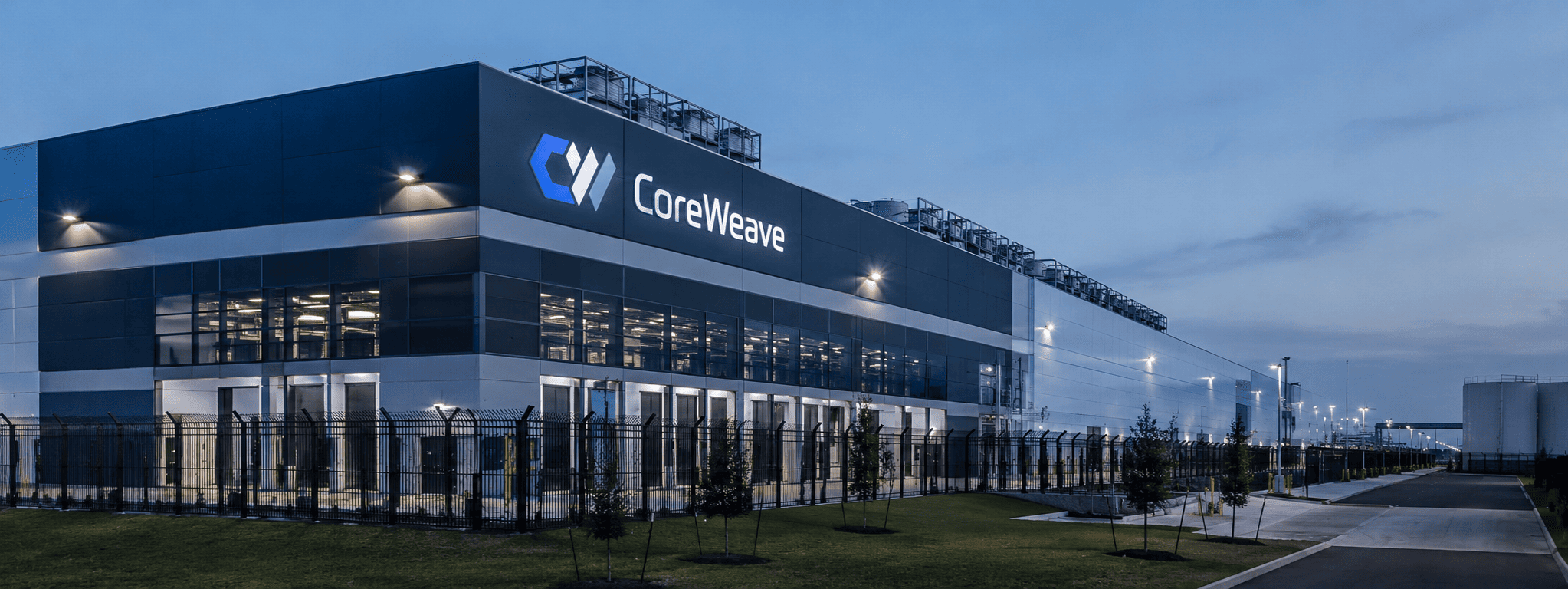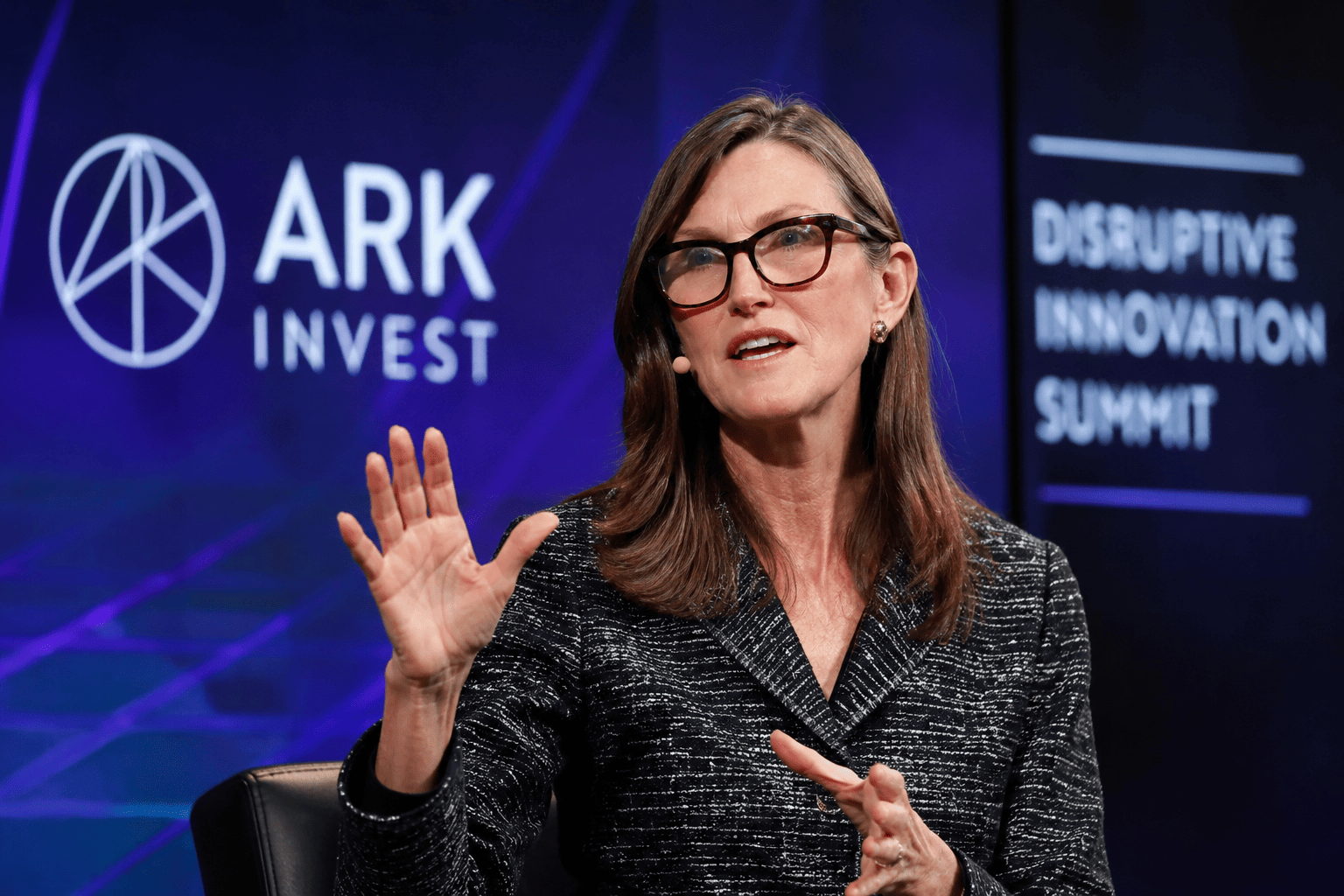
ARK Invest founder Cathie Wood used Wednesday's sharp sell-off in artificial intelligence stocks to rotate capital from a high-flying software name into a beaten-down infrastructure player. The firm purchased 188,665 shares of CoreWeave, worth roughly $12.4 million, after the stock tumbled 15.46% to $65.78. Simultaneously, ARK sold 31,432 Palantir shares, bringing in about $6.3 million.
The Palantir sale was a trim rather than a full exit, reflecting a strategy of taking profits from a richly valued AI software winner while adding to a position in a company whose debt market is flashing warning signs. CoreWeave's plunge was not an ordinary pullback; the company's growth story hinges on extraordinary demand for AI compute, but that expansion has required massive debt and lease financing.
CoreWeave's debt burden raises red flags
CoreWeave carries roughly $48 billion in debt, and yields on some of its unsecured bonds recently approached 15%. Bernstein analyst Madison Rezaei told Investor's Business Daily that these yield levels are "typically associated with distress." Higher bond yields raise the cost of financing every additional data center and block of Nvidia-powered capacity, which can erode future growth economics even if demand remains robust.
The bull case for CoreWeave remains substantial. The company has a revenue backlog of approximately $104 billion, and management says nearly all 2027 capacity is already sold. However, backlog is not profit. At the end of June, CoreWeave had about $52 billion in combined debt and lease obligations, and second-quarter net interest expense reached $640 million.
D.A. Davidson analyst Gil Luria offered a stark warning on the Prof G Markets podcast, stating that "the equity value is going to be zero" in a downside scenario if the AI investment cycle weakens. Luria argues that CoreWeave is borrowing at about 9% while earning roughly 1% on its investments, meaning growth could destroy value if returns on new infrastructure fail to exceed funding costs.
Palantir's valuation makes profit-taking logical
Palantir presents the opposite risk profile. The company is executing strongly, with shares up more than 60% since August, revenue growth accelerating, and Wall Street sentiment improving. Goldman Sachs recently upgraded the stock to Buy. Yet the valuation leaves little room for disappointment. Palantir closed Wednesday at $200.97 and trades at roughly 129 times forward non-GAAP earnings, according to TipRanks, far above the software sector average.
ARK's sale looks less like a rejection of Palantir and more like expectations management. Bokeh Capital Partners chief investment officer Kim Forrest told Reuters that investors worry major AI companies may not generate the earnings or revenue previously anticipated. For Palantir, the risk is that extraordinary growth is already priced in; for CoreWeave, the risk is that future growth becomes too expensive to finance.
Wood appears willing to swap the first problem for the second, betting that CoreWeave's infrastructure will ultimately deliver returns despite its debt load. The move underscores a broader debate in the AI trade: whether the massive capital expenditures on compute will translate into sustainable profits.
This article is for informational purposes only and does not constitute financial advice.