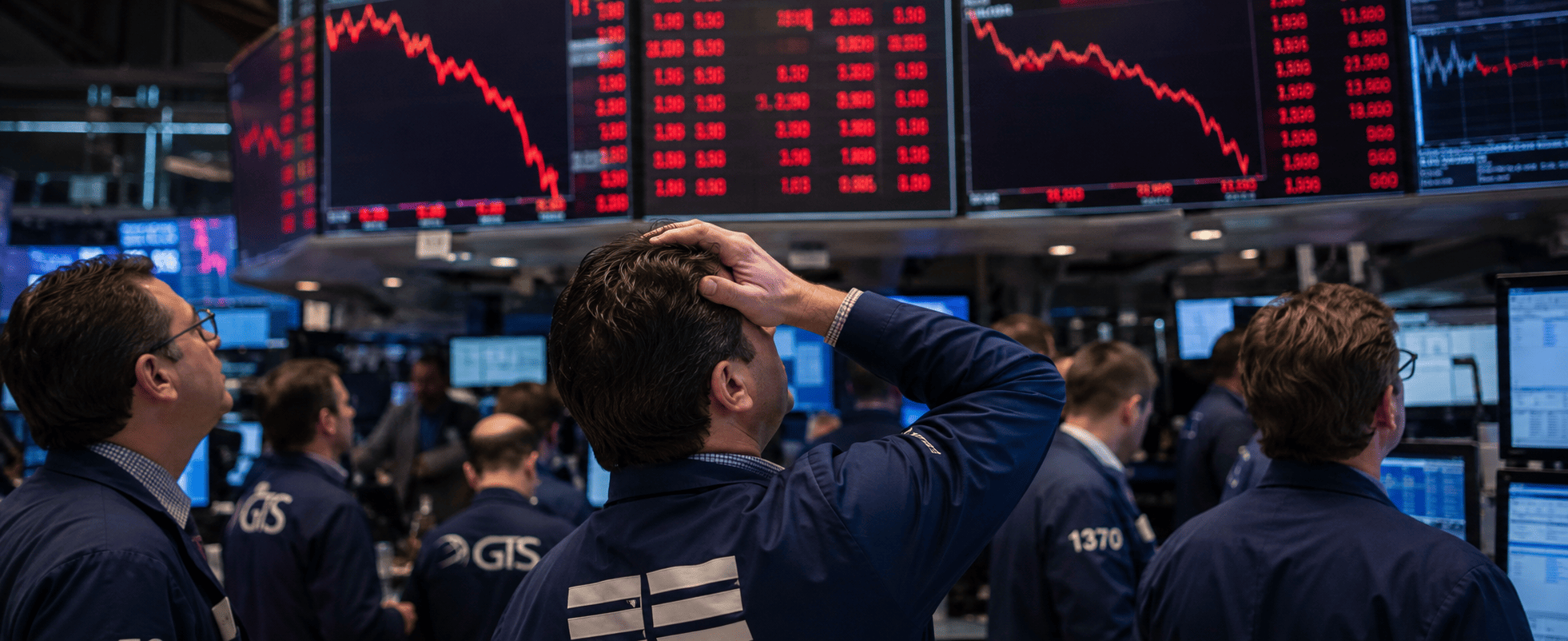
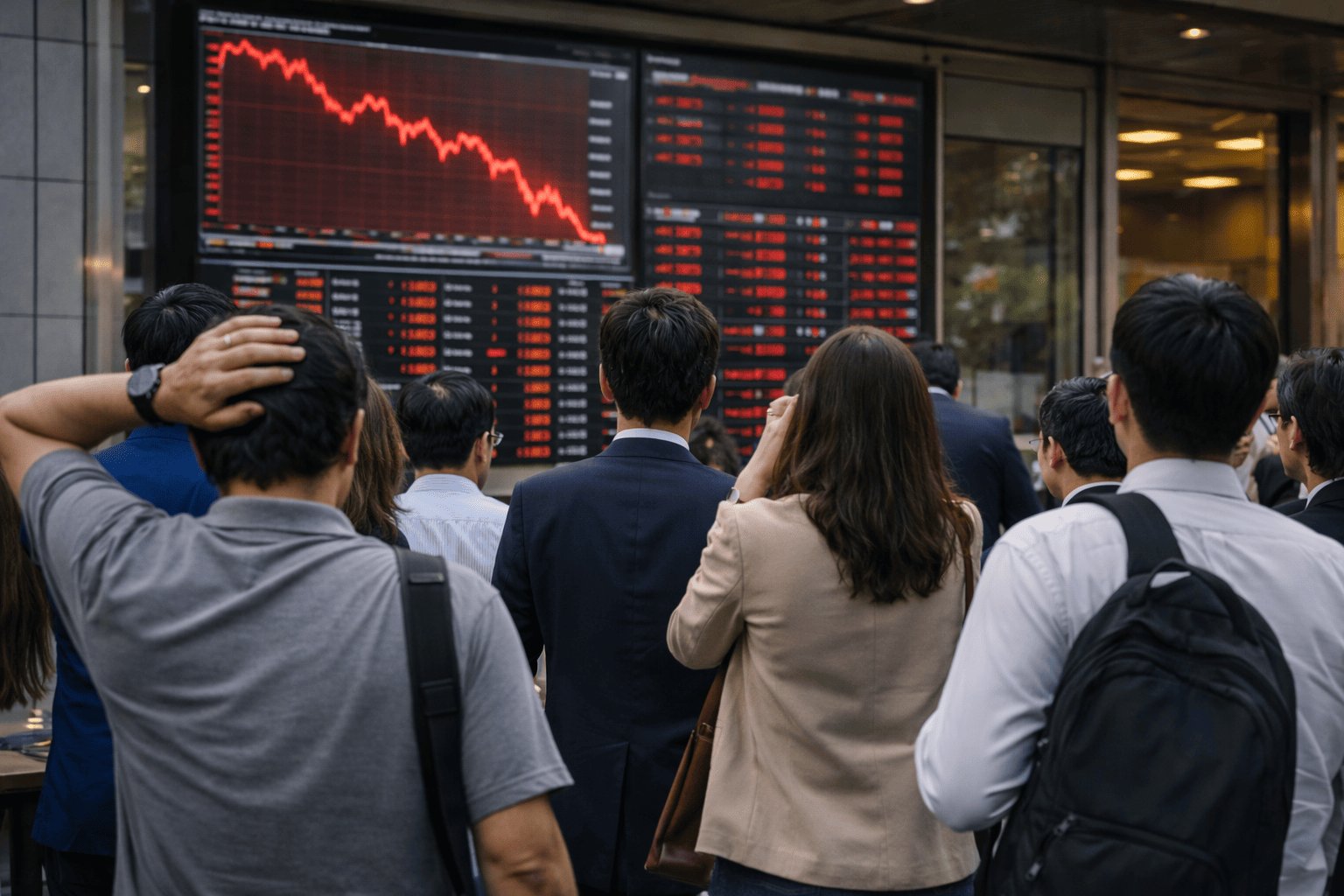
Samsung Electronics and SK Hynix shares suffered their steepest one-day declines in months on Thursday, with Samsung dropping 9.3% and SK Hynix falling 11% in Seoul trading. The sell-off dragged the broader KOSPI index down more than 7%, as investor attention shifted from chip supply dynamics to the financial health of the companies funding the artificial intelligence boom.
The rout followed a turbulent session on Wall Street, where hotter-than-expected US inflation data and sharp losses in AI infrastructure stocks reignited fears about the returns on massive data-center investments. The September CPI reading came in at 3.7%, above forecasts, prompting investors to reassess the trajectory of interest rates and the cost of financing capital-intensive technology projects.
AI customers become the new risk
This week, Samsung and SK Hynix already faced concerns that China's CXMT could ease memory scarcity and pressure prices. Thursday added another layer of risk further down the supply chain. CoreWeave, a cloud provider heavily reliant on AI workloads, plunged about 16% on Wednesday, while Nebius fell 11%, Oracle 9%, and Dell 11%. Together, these companies erased roughly $80 billion in market value.
“We’re getting a whole lot of information suggesting that the largest AI companies may not be generating the earnings or revenue people anticipated,” Kim Forrest, chief investment officer at Bokeh Capital Partners, told Reuters. That concern is now reshaping how Korean memory stocks are priced. Weak AI monetization raises doubts about data-center returns, and lower expected returns make future capital expenditure harder to justify, which could eventually dampen demand for accelerators, servers, and high-bandwidth memory.
There is no evidence that Samsung or SK Hynix have suddenly lost major orders, but the market is repricing the risk that future demand growth becomes less certain. The shift in focus from chip supply to customer viability marks a significant change in sentiment.
CoreWeave debt raises funding fears
Financing has become the second pressure point. CoreWeave had about $52 billion of debt and lease obligations at the end of June, and one unsecured bond was yielding close to 15% this week as investors demanded a larger premium for financing the company's expansion. CreditSights analyst Jordan Chalfin highlighted the mismatch between long data-center leases and shorter customer contracts. “If there’s an overbuild, why would customers renew their contract with CoreWeave?” he told the Financial Times.
That question matters beyond one cloud provider, as Samsung and SK Hynix sit upstream from companies spending heavily on AI infrastructure. Those customers, or their customers, ultimately need profitable AI workloads to justify continuous expansion. The combination of rising financing costs and uncertain returns is prompting investors to demand higher risk premiums across the AI supply chain.
Memory demand still looks strong
The counterargument is that current semiconductor demand remains remarkably robust. ASML said this week that AI-driven demand for chipmaking equipment is running ahead of planned capacity through 2028, with customers already discussing requirements for 2029 and 2030. TSMC is also expected to report another record quarter, supported by strong AI infrastructure spending.
Kiwoom Securities researcher Han Ji-young said Korean stocks were being pressured as “US AI infrastructure stocks exposed to profitability uncertainty” plunged together. He nevertheless expects technical dip-buying after seven consecutive sessions of steep declines and sees TSMC's results as a potential stabilising catalyst.
That captures the tension. Current demand remains strong, but equity markets discount what happens next. The sharp repricing in Korean chip stocks reflects a broader reassessment of the sustainability of AI-driven capital expenditure, with investors now scrutinizing the balance sheets of the very companies that are driving demand.
This article is for informational purposes only and does not constitute financial advice.