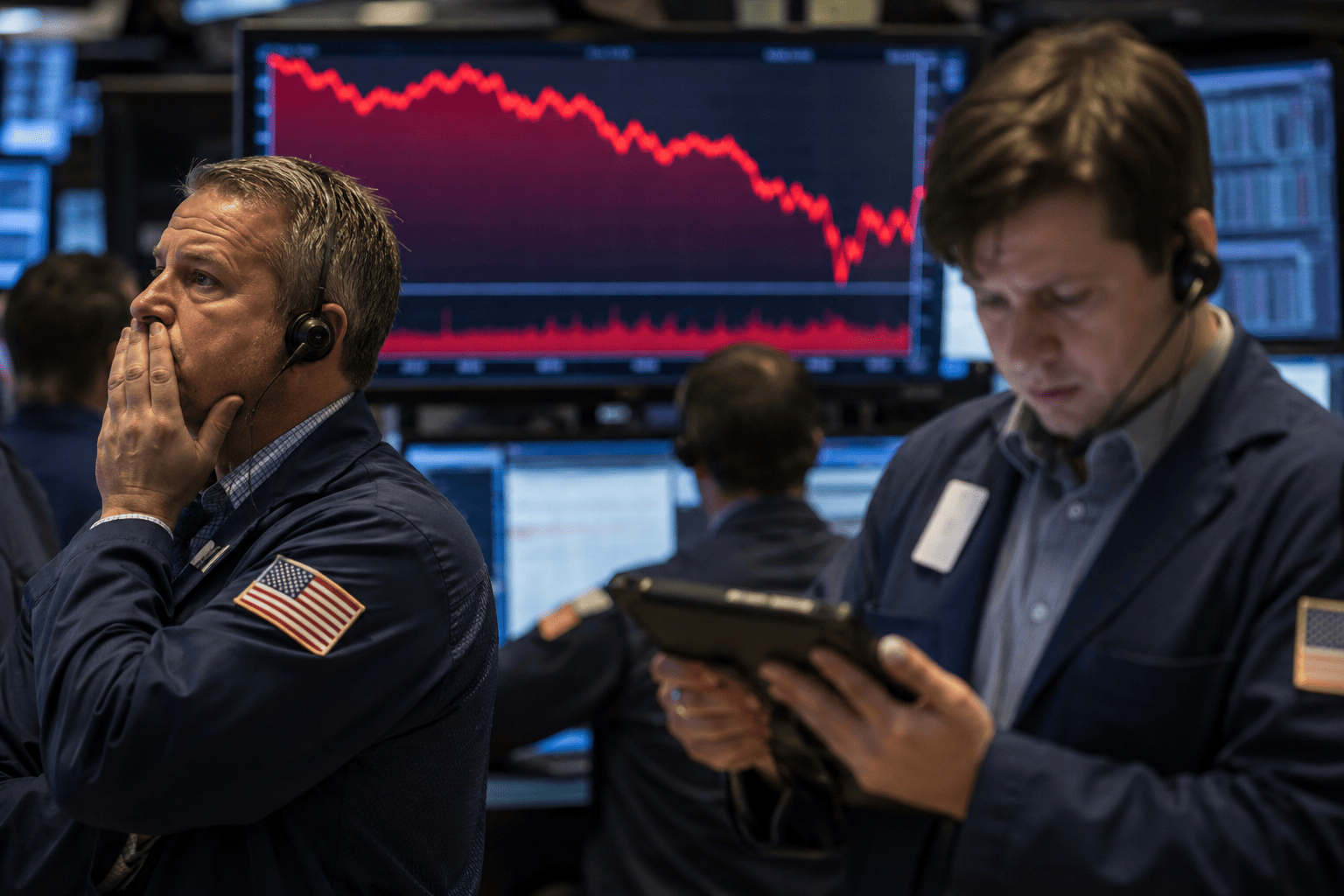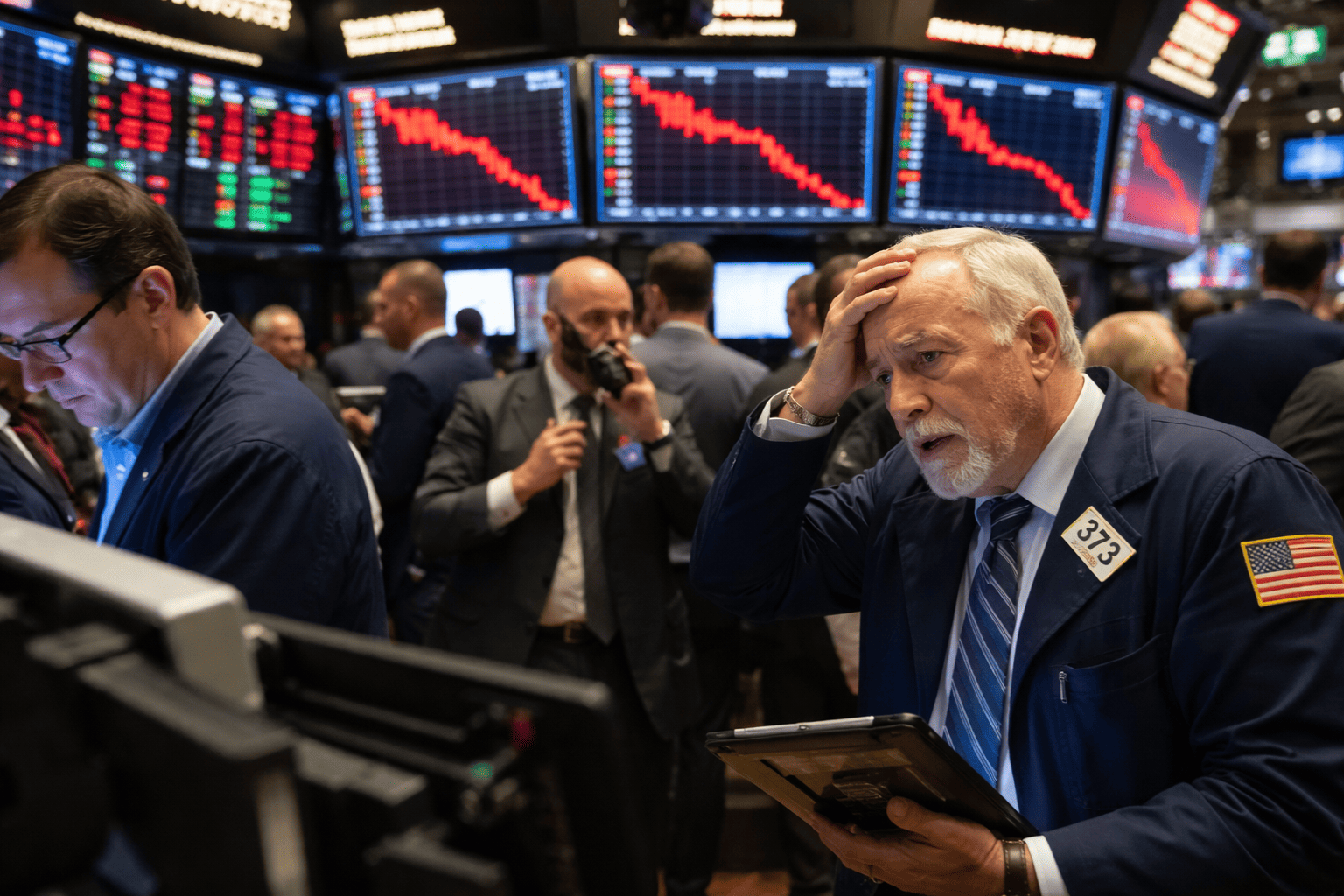
U.S. equities finished Thursday's session mostly lower, with technology shares bearing the brunt of selling as investors grew more skeptical about the financing behind the artificial intelligence buildout and digested another round of uncomfortably hot inflation data.
The S&P 500 shed 0.47%, while the Nasdaq Composite dropped 1.24%. The Dow Jones Industrial Average was the outlier, climbing 272 points as strength in consumer staples and healthcare names offset weakness in tech.
The move extended Wednesday's declines, when both the S&P 500 and Nasdaq notched their steepest single-day losses since July after consumer inflation came in above expectations.
AI infrastructure names under pressure
The selling was concentrated in companies tied to AI data-center expansion. CoreWeave fell roughly 7% after a more than 15% plunge in the prior session, and Oracle slipped 0.7% following a nearly 9% drop on Wednesday. The stress has spilled into credit markets, with bond yields for both companies climbing to record highs as investors demand more compensation for the risk of financing their aggressive expansion plans.
The concern centers on whether projected growth can justify current valuations, particularly for firms that rely heavily on debt to fund capital-intensive AI projects. Higher borrowing costs would erode the economics of those investments and pressure the earnings multiples investors have been willing to pay.
Chipmakers also extended their slide. Micron Technology dropped about 5.7%, Advanced Micro Devices fell 6%, Nvidia lost 3.1%, and SanDisk declined 8.7%. U.S.-listed shares of South Korea's SK Hynix fell 6%. The Philadelphia Semiconductor Index has now declined for six straight sessions, shedding more than 11% and erasing roughly $1.64 trillion in market value, its longest losing streak since May 2025.
Taiwan Semiconductor Manufacturing Company reported a sixth consecutive quarter of record profits but struck a cautious tone on the 2027 outlook, citing macroeconomic uncertainty — comments that did little to calm worries about the durability of the AI investment cycle.
Producer prices surprise to the upside
Fresh data added to the inflation narrative. The U.S. Producer Price Index rose 1.3% month over month in September and 6.3% year over year, well above the 0.6% and 5.5% economists had expected, according to Dow Jones estimates. The annual gain was the largest since 2022.
The report followed Wednesday's hotter-than-anticipated consumer price data and reinforced expectations that the Federal Reserve could tighten policy further before year-end. Retail sales also topped forecasts, rising more than the 0.3% growth economists projected. Investors were awaiting remarks from Fed Chair Kevin Warsh at the International Monetary Fund's annual meeting for additional signals on the policy path.
Rising rates would raise financing costs for AI infrastructure projects and weigh on technology valuations that depend on future growth.
Defensive names provide some cushion
Gains outside technology helped limit broader losses. Walmart shares rose 4% and Merck added more than 2%, illustrating the rotation into sectors less sensitive to rate and AI-spending concerns.
The Nasdaq has now fallen more than 3% from last week's record highs, with inflation, interest-rate risk and AI spending scrutiny threatening to overshadow the third-quarter earnings season. According to LSEG data, S&P 500 companies are expected to report earnings growth of 30.6%. The key question for investors is whether those profits can support current valuations as borrowing costs rise and scrutiny of AI returns intensifies.
This article is for informational purposes only and does not constitute financial advice.