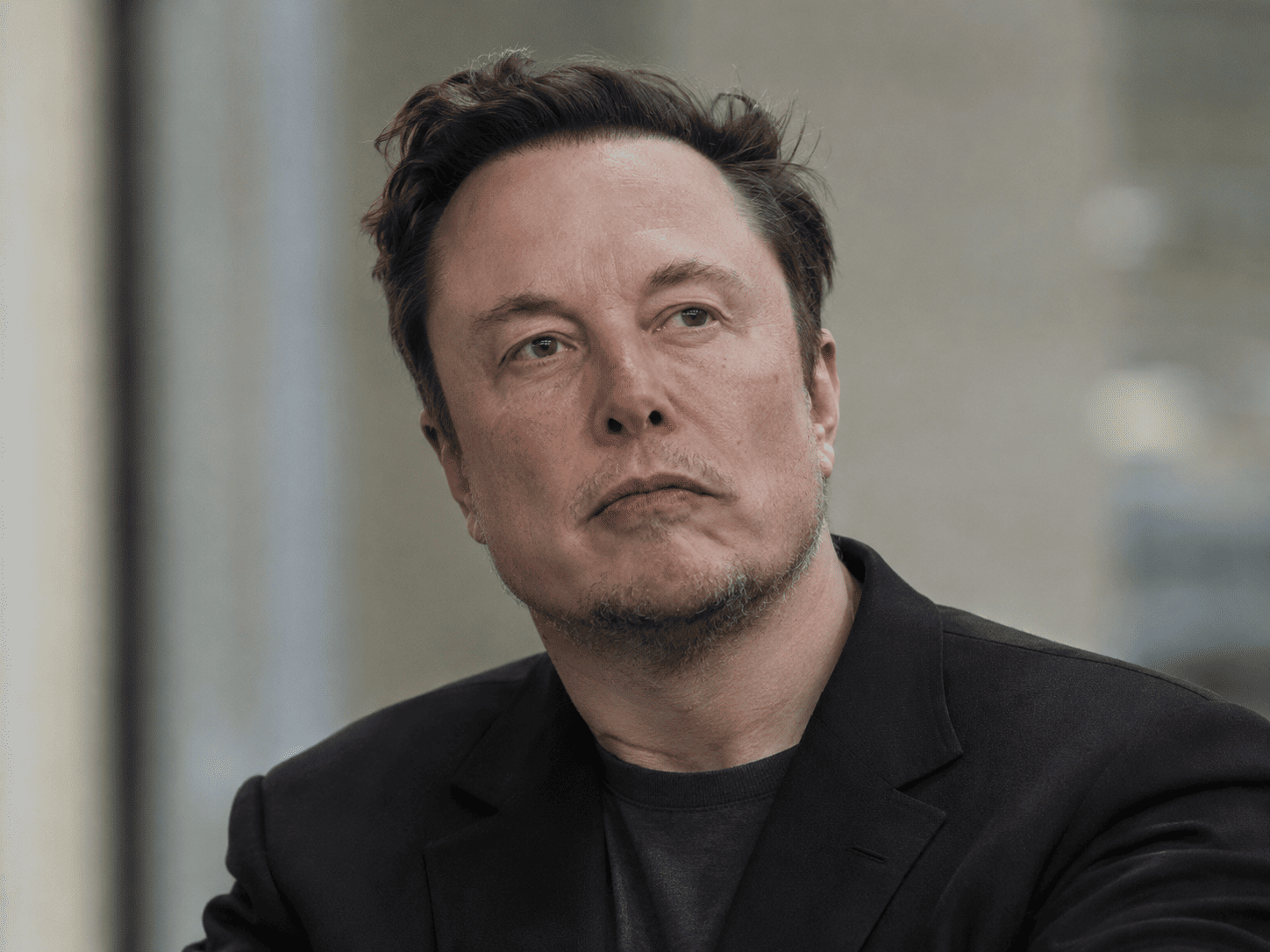
Shares of Elon Musk's SpaceX and Tesla declined in premarket trading on Wednesday as the Democratic Party's sweeping election victory raised the possibility of stricter oversight of artificial intelligence companies and cast doubt over Musk's expansion plans and a potential merger between his two ventures.
SpaceX and Tesla stocks fell over 7.5% and 5.5%, respectively, during premarket trading, even as broader U.S. equity futures rallied, with contracts tied to the Dow Jones Industrial Average, S&P 500, and Nasdaq Composite all climbing more than 1%.
The election outcome has introduced new political uncertainty for Musk, who contributed approximately $474 million to Republican candidates and political groups during the election cycle, one of the largest individual donor totals in a single cycle, excluding self-funding candidates.
Musk's Political Bets Face Setbacks
Musk's contributions included about $168 million to the Senate Leadership Fund, the primary super PAC supporting Republican Senate candidates, with much of that money directed toward backing Ken Paxton in the Texas Senate race. However, several candidates he supported, including Paxton and Vivek Ramaswamy in the Ohio gubernatorial contest, suffered defeats.
The results could complicate Musk's ambitions in Texas, a key hub for his business empire. Tesla operates its largest U.S. vehicle factory near Austin, while SpaceX launches rockets from its Starbase facility in South Texas. Musk is also pursuing investments in artificial intelligence and semiconductor manufacturing, projects that depend on state-level decisions regarding electricity supply, water availability, environmental permits, infrastructure, and tax incentives.
Democrat Gina Hinojosa's victory over incumbent Greg Abbott in the Texas gubernatorial race could create fresh challenges for Musk's expansion plans. Hinojosa campaigned against generous corporate subsidies and has called for a moratorium on new data centers, an end to industry tax breaks, and requirements for developers to cover the full cost of their electricity consumption. In her victory speech, she vowed to take power away from the “powerful people who have gotten very comfortable running this state.”
While Republicans still control the Texas Legislature, limiting the scope of changes Hinojosa can make, her administration could adopt a tougher approach to permits and business incentives, potentially slowing new projects. Musk appeared to respond to the election outcome on X on Wednesday morning, writing: “Data centers in space looking pretty appealing right now,” followed by a joke about election interference.
Political Risk Could Weigh on Tesla and SpaceX
The Democratic victory could also expose Musk to greater congressional scrutiny. Lawmakers have signaled plans to investigate several aspects of his activities, including his tenure as head of the Department of Government Efficiency, his companies' federal contracts, and his role in the Russia-Ukraine war.
Kathleen Brooks, research director for the UK at XTB, said Musk was considered “an anathema” to most Democrats and that the party's election gains could affect his companies in two ways. “Firstly, AI companies may face greater scrutiny and regulation under a Democrat controlled Congress, and secondly, it puts into doubt a potential merger between SpaceX and Tesla,” she wrote. Brooks noted that Congress could not directly prevent a merger but could slow the process through additional scrutiny.
“Musk could push back on this, and rush through a merger in the next 18 months before Trump leaves office. However, there is now a political risk premium attached to both Tesla and SpaceX that could weigh on their share prices, after both stocks have rallied more than 20% in the past 3 months,” she added. She also highlighted Tesla's historical sensitivity to political developments, noting the stock rallied strongly after President Donald Trump won the 2024 election.
Gary Black, managing partner at The Future Fund, attributed the declines to Musk's ties with Trump and lower perceived odds of a merger. “Strong 2026 S&P earnings growth (EPS $369 +33% y/y, P/E 20.5x) underpin equities, though TSLA’s valuation seems excessive amid declining future earnings estimates, and increased autonomous competition from $GOOG, $ANZN, $BIDU and others,” he wrote.
The election outcome adds another source of uncertainty for Tesla investors, who must weigh the company's valuation and competitive pressures against the possibility of a more challenging regulatory and political environment for Musk's wider business interests.
This article is for informational purposes only and does not constitute financial advice.