The Democratic Party's decisive victory in the midterm elections has upended the political strategies of technology billionaires and corporate interest groups, which had poured unprecedented sums into campaigns to secure a more favorable regulatory climate for artificial intelligence and data center expansion.
With control of both chambers of Congress secured, Democrats have delivered a clear rebuke to the outgoing administration and set the stage for heightened congressional scrutiny of AI companies, their infrastructure investments, and the growing role of wealthy donors in American politics.

The outcome is particularly significant for Silicon Valley's largest investors, many of whom backed Republican candidates in hopes of shielding the industry from mounting voter concerns about the environmental, economic, and social impacts of AI development.
Political headwinds, including an unpopular conflict and persistent inflation, weighed heavily on the Republican campaign. Despite the financial advantage provided by tech billionaires, the party failed to offset voter dissatisfaction, losing states that had voted Republican by double-digit margins just two years prior.
"Tonight's results are a wake-up call for corporate special interests and billionaires who have been rigging the economy," said Rep. Chris Pappas, who won a Senate seat in New Hampshire.
Market reaction was mixed initially, with Dow Jones and S&P 500 futures slipping on Tuesday evening as investors weighed the implications of a more adversarial Congress. However, by Wednesday morning, futures had turned positive, with Dow futures rising over 1%, S&P 500 futures up about 0.8%, and Nasdaq futures gaining roughly 0.6%.
Record Spending Fails to Deliver for Tech Donors
The midterms were the most expensive in U.S. history, with total political advertising spending reaching $11.6 billion, according to AdImpact, surpassing the $11.2 billion spent during the 2024 presidential election. OpenSecrets projects total midterm spending could hit $11.9 billion.
The top 40 donors contributed more than $2.4 billion by mid-October, seven times the inflation-adjusted amount from 2014, according to the Brennan Center for Justice. Notably, the political balance shifted dramatically: in 2014, top donors gave twice as much to Democrats, but this cycle they gave roughly three times as much to Republicans.
Super PAC spending reached $2 billion by the end of September, up 51% from the previous midterm cycle. A CNBC analysis found that 14 of the 20 largest donor groups backed Republicans almost exclusively, with cryptocurrency, AI, and online gambling interests collectively pouring over $377 million into federal races.
The Democratic victory raises questions about whether corporate political spending can still secure favorable outcomes when voters are increasingly wary of billionaire influence and Big Tech's power.
"Allying with the worst parts of the AI industry is just kryptonite for a campaign," said Alex Bores, a former New York lawmaker who was heavily outspent by Big Tech in a primary earlier this year.
Musk's $474 Million Bet Backfires
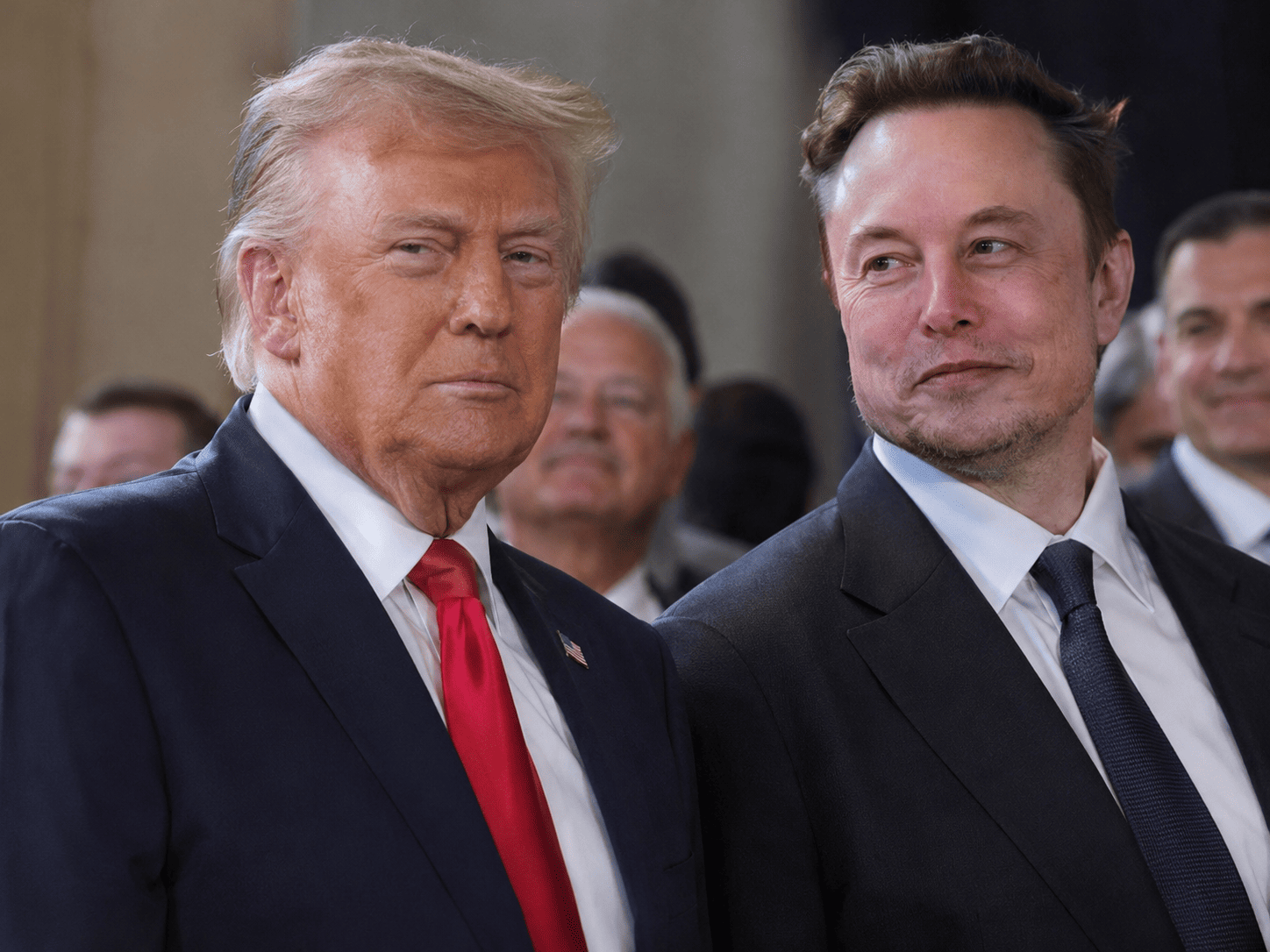
Elon Musk, the world's richest person, made an unprecedented financial commitment to Republican candidates, contributing approximately $474 million during the midterms, according to The New York Times. This makes him the largest individual political donor in a single election cycle outside self-funding candidates.
Of that total, about $216 million went to his super PAC, America PAC, which funded a nationwide political operation. Another $168 million was directed to the Senate Leadership Fund, the main super PAC supporting Republican Senate candidates, with much of it aimed at backing Ken Paxton in Texas.
Despite this massive spending, Democrats won key races in Texas, including James Talarico's defeat of Paxton and Hinojosa's victory over Abbott, who had been criticized for prioritizing Big Tech interests over local communities in the data center boom.
Musk's financial involvement may have become a political liability, as voters expressed concerns about corruption and the growing influence of billionaires. Talarico repeatedly attacked Musk during the campaign, and the results suggest that such attacks resonated with the electorate.
This article is for informational purposes only and does not constitute financial advice.