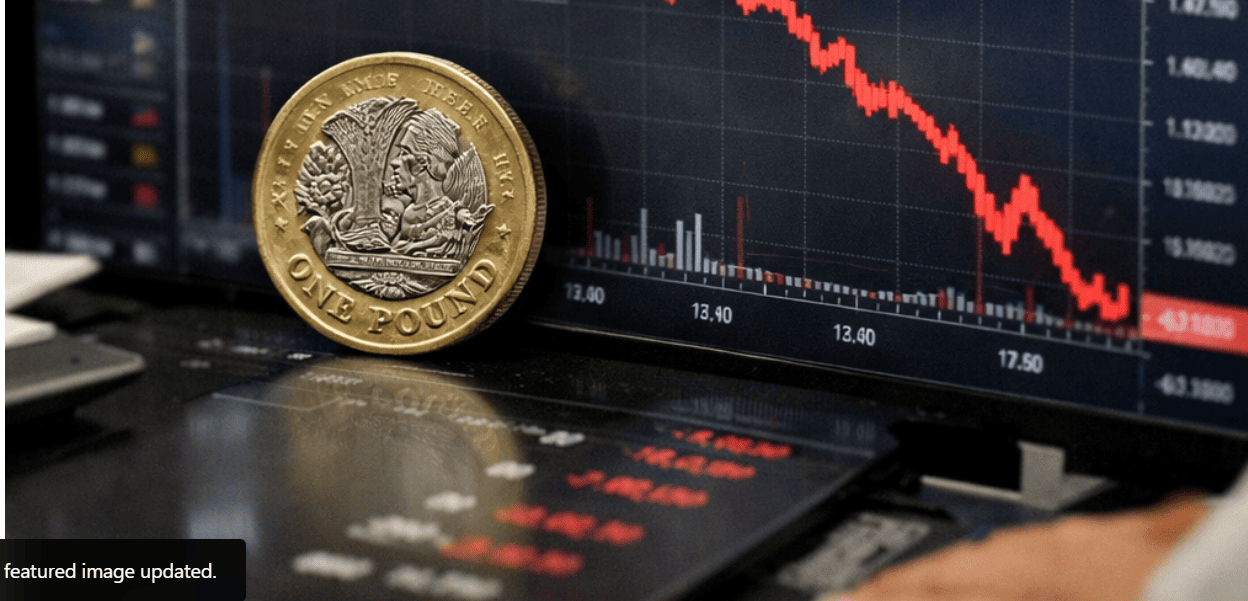
Geopolitical Tensions Weigh on Sterling
The British pound faced downward pressure in foreign exchange markets on Monday, depreciating against a broadly stronger US dollar. The primary catalyst was a significant escalation in geopolitical tensions between the United States and Iran, which introduced fresh uncertainty into global financial markets. The US announced a naval blockade of the Strait of Hormuz following a breakdown in diplomatic talks, directly threatening a key maritime chokepoint for global oil shipments.
Energy Price Shock Reverberates
The immediate market reaction was a sharp spike in energy prices. Brent crude futures surged approximately 8%, breaching the $102.50 per barrel threshold. This development reignited concerns over persistent inflationary pressures and potential dampening effects on global economic growth. For the UK, a net energy importer, rising fuel costs present a direct challenge to economic stability and price level targets.
Analysts note that sterling has historically exhibited sensitivity to US-Iran tensions due to Britain's exposure to imported energy. "Even with a potential conflict resolution, the likelihood of structurally higher energy prices remains," commented one currency strategist, highlighting a persistent headwind for the currency.
Monetary Policy Expectations in Flux
The energy-driven inflation shock has forced a rapid recalibration of interest rate expectations for the Bank of England. Money market pricing, which previously anticipated potential rate cuts in 2026, has shifted to imply nearly two quarter-point hikes within the same year. This represents a significant pivot in trader sentiment, reflecting concerns that the central bank may need to respond to sustained price pressures.
This shift occurs despite recent caution from Bank of England Governor Andrew Bailey, who suggested markets might be overestimating the pace of future tightening. The conflicting signals between market pricing and central bank guidance underscore the heightened uncertainty surrounding the UK's monetary policy trajectory. One senior rates strategist observed that the deterioration in short-term inflation expectations makes a return to pricing cuts for 2026 increasingly difficult to justify.
Market Performance and Sentiment
In specific trading action, the pound was last seen down 0.2% at $1.3429. This decline followed a strong weekly gain of over 2% in the prior week, its best performance since March 2025. Against the euro, sterling remained largely stable. The fragility of the rally highlights how quickly geopolitical developments can unravel positive momentum in currency markets.
The combination of elevated geopolitical risk, volatile commodity prices, and shifting central bank expectations has created a cautious environment for sterling investors. The duration of the Middle East tensions and their ultimate economic impact remain key unknowns, likely sustaining volatility. For broader context on energy market movements, see our coverage on WTI crude prices. Conversely, periods of eased tensions can provide relief, as noted in our report on sterling's reaction to ceasefire developments.
This episode also serves as a reminder of the interconnectedness of geopolitical events and financial markets, a theme evident in other asset classes. For instance, while the pound weakens, other markets have shown resilience on optimism, as seen in global equities reaching record highs during calmer periods. The potential long-term costs of regional instability are significant, with analysts warning that Middle East energy infrastructure damage could run into tens of billions of dollars.
This article is for informational purposes only and does not constitute financial advice.