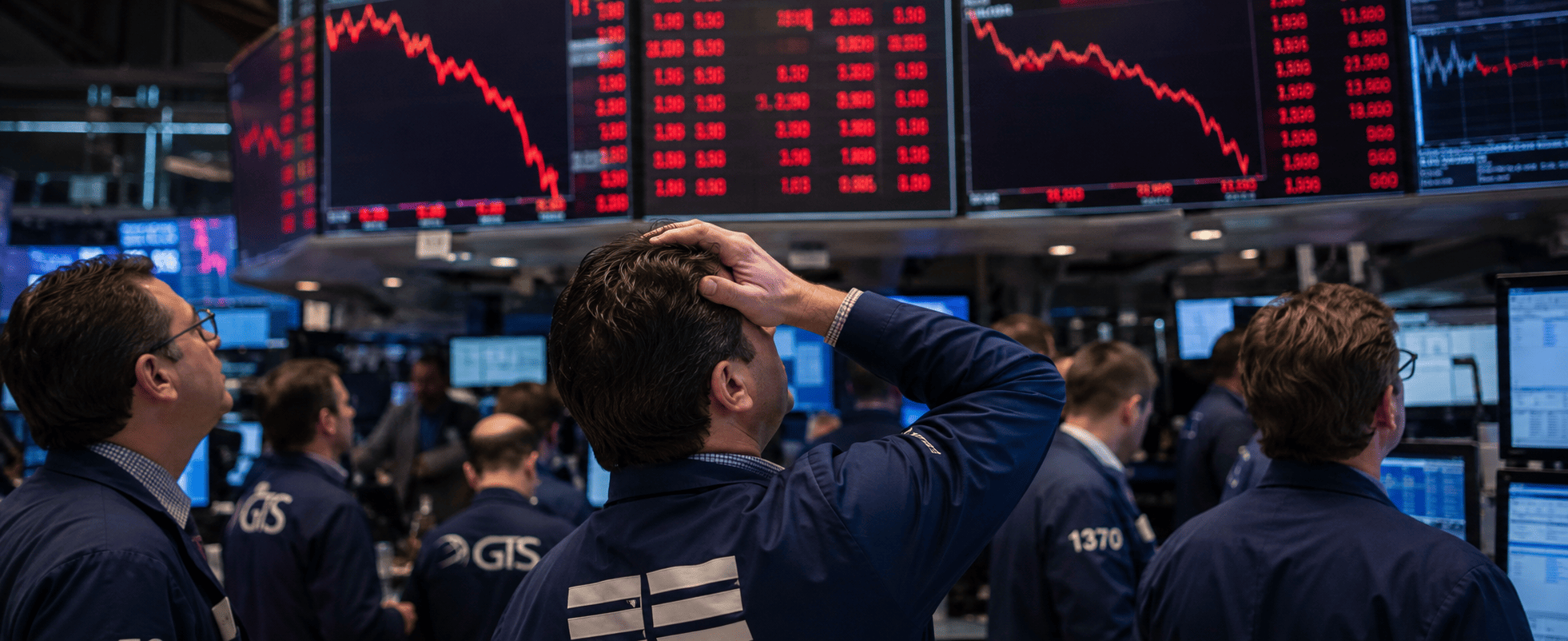
Geopolitical De-escalation Fuels Historic Market Gains
US equity markets experienced a powerful rally on Friday, with all three major indices closing at record levels. The surge was primarily driven by significant geopolitical developments in the Middle East, which alleviated concerns over potential disruptions to global energy supplies and trade routes.
Strait of Hormuz Reopening Eases Supply Fears
Investor sentiment received a substantial boost following an official announcement from Iran confirming the reopening of the Strait of Hormuz to commercial shipping. This critical maritime passage, responsible for transporting approximately one-fifth of the world's oil supply, had been a focal point of regional tensions. The decision coincided with a reported ten-day ceasefire between Israel and Lebanon, contributing to a broader narrative of de-escalation. Market participants interpreted these developments as reducing the near-term risk of a wider regional conflict that could severely impact global trade and energy markets.

The news had an immediate and pronounced effect on commodity markets. Oil prices plummeted, with US West Texas Intermediate crude futures dropping nearly 12% to settle below $84 per barrel. Brent crude, the international benchmark, fell approximately 9%. This sharp decline in energy prices helped alleviate investor concerns about persistent inflationary pressures stemming from high fuel costs, creating a more favorable backdrop for economic growth and corporate earnings.
Broad-Based Rally Lifts Major Indices
The market advance was widespread. The Dow Jones Industrial Average led the charge with a gain of 869 points, representing an increase of 1.8%. The S&P 500 index rose 1.2%, decisively breaking through the 7,100 level for the first time in its history. The technology-heavy Nasdaq Composite also posted strong gains, climbing 1.5%. Both the S&P 500 and Nasdaq achieved new all-time intraday highs during the session.
Sector performance reflected the shifting macroeconomic landscape. Cyclical sectors, which are more sensitive to economic growth and energy costs, outperformed. Consumer discretionary stocks saw significant buying interest, with notable strength in airlines and cruise operators. In contrast, the energy sector underperformed the broader market as the steep drop in crude oil prices weighed on producers' shares. The rally also provided a tailwind for small-cap stocks, which often benefit from lower input costs and improved domestic economic outlooks.
Analysts Note Lingering Caution
Despite the overwhelmingly positive market reaction, some analysts urged caution regarding the practical implementation of the Strait's reopening. They pointed to persistent challenges for the shipping industry, including elevated war-risk insurance premiums and ongoing safety assessments for vessels transiting the region. The logistical and security framework for maintaining open passage remains under scrutiny. For more on the shipping industry's response, see our analysis: Shipping Industry Cautious Despite Iran's Strait of Hormuz Reopening Announcement.
The day's gains contributed to a strong weekly performance for major indices, reinforcing a market trend built on expectations of easing geopolitical friction and resilient economic fundamentals. This rally aligns with a broader pattern of market strength; for related coverage, read Global Equities Reach Record Highs on Easing Geopolitical Fears and Strong Earnings. The positive momentum extended to other asset classes as well, with notable movements in cryptocurrencies; details are available in Bitcoin Surges Past $77K as Strait of Hormuz Reopening Fuels Market Rally.
While the immediate market response has been decisively positive, investors will continue to monitor the durability of the ceasefire and the stability of the shipping corridor. The situation underscores how geopolitical events remain a key driver of market volatility and asset prices in the current investment landscape.
This article is for informational purposes only and does not constitute financial advice.