Energy Infrastructure Repair Costs Escalate Dramatically
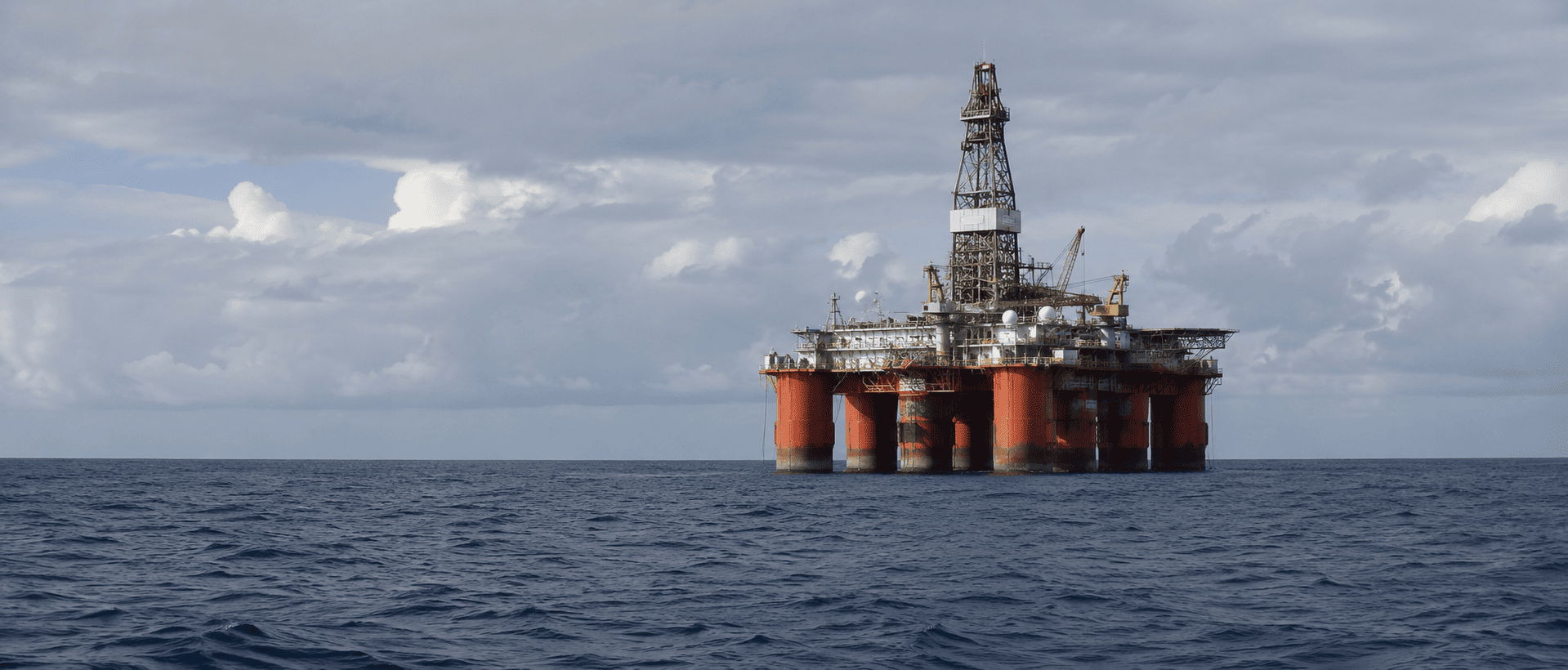
Recent analysis from energy intelligence firm Rystad Energy reveals that the financial impact of Middle East conflict on energy infrastructure has grown substantially. The firm now estimates total repair and restoration costs could reach as high as $58 billion, a significant increase from the $25 billion figure projected just weeks ago. This escalation reflects both the broadening scope of damage and the complex challenges facing reconstruction efforts.
Oil and Gas Sector Bears the Brunt
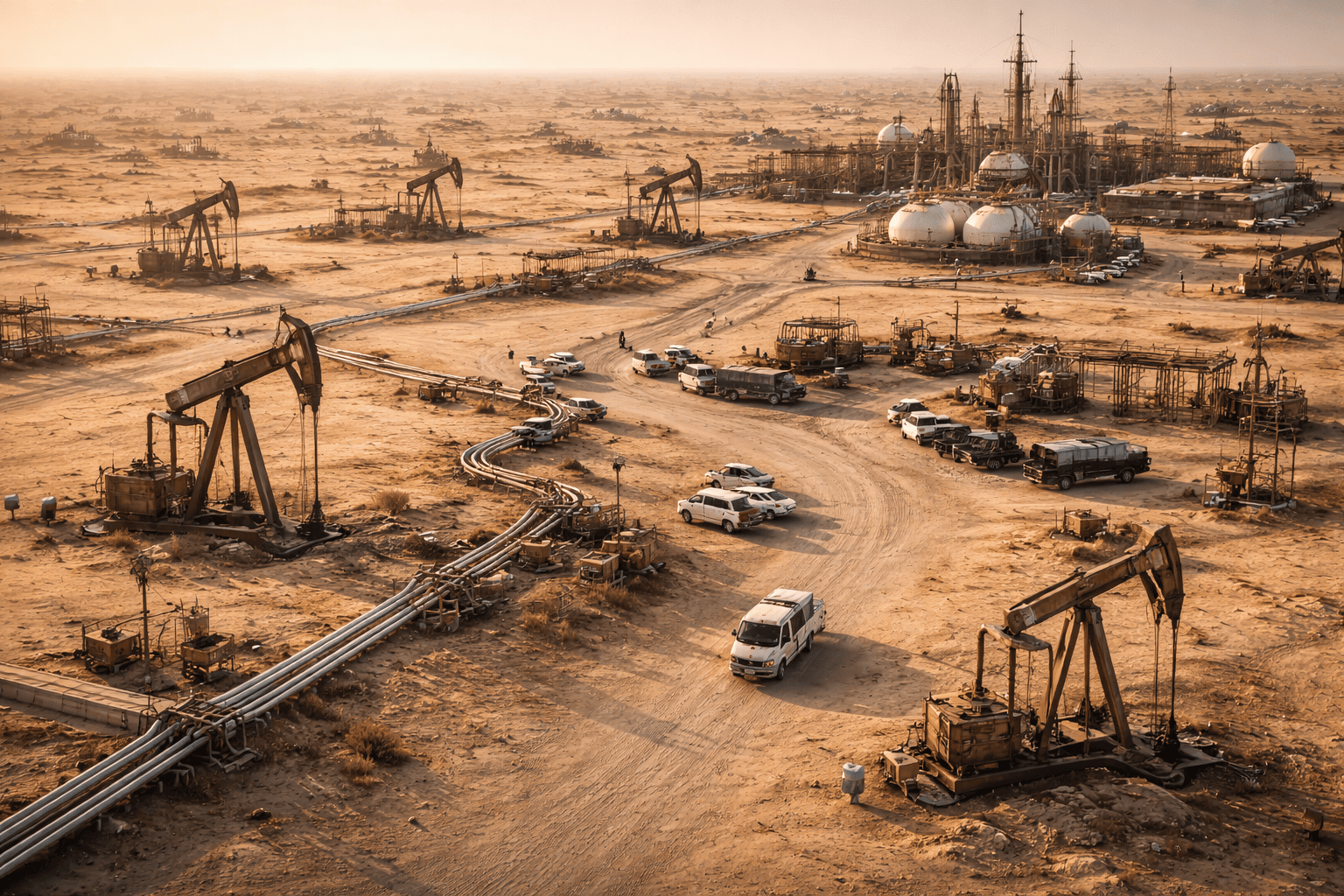
The oil and gas industry faces the largest financial burden, with repair costs for these facilities alone estimated between $30 billion and $50 billion. Rystad's midpoint estimate for hydrocarbon infrastructure stands at approximately $46 billion. Non-hydrocarbon assets, including industrial plants, power stations, and desalination facilities, are projected to add another $3 billion to $8 billion to the total bill. The wide cost range reflects uncertainty about the full extent of structural damage at key sites.
A Global Supply Chain Stress Test
Karan Satwani, a senior supply chain analyst at Rystad, characterized the situation as a "stress test for the global energy supply chain." The primary constraint for recovery is not capital availability but rather access to specialized equipment, contractors, and logistical capacity. Repair work is expected to take priority over new project development, potentially redirecting resources and causing delays far beyond the immediate region. This competition for limited resources could lead to project inflation and extended timelines globally.
Country-Specific Impacts and Complex Challenges
The damage distribution varies significantly by country. Iran faces the broadest impact across multiple asset types, with potential costs reaching $19 billion in a high-damage scenario. Qatar presents a unique challenge, with significant damage concentrated in the technically complex Ras Laffan Industrial City. Several liquefied natural gas (LNG) trains have been compromised, and operations at the Pearl gas-to-liquids facility are interrupted. This disruption coincides with QatarEnergy's ongoing North Field expansion, straining contractor availability.
Engineering and Procurement Drive Costs
Engineering and construction represent the largest share of anticipated expenditures, followed by equipment and materials. The damage is predominantly concentrated in downstream and integrated assets, requiring complex reconstruction of structural elements and process units. While engineering can proceed relatively quickly, the overall recovery timeline depends heavily on procuring critical equipment with long lead times. Equipment delivery delays are now the critical path for restoration.
Recovery Timelines and Execution Hurdles
Restoration timelines will vary by asset and country, influenced by local execution capacity and supply chain access. The widespread nature of the damage and restricted access to Western engineering, procurement, and construction contractors in some regions will prolong recovery. Rystad notes that entities able to secure equipment and contractor capacity early will shorten their timelines, while others may face delays extending well beyond the physical repair scope. The analysis includes conflict-related premiums such as war-risk insurance and contractor mobilization costs.
The situation underscores the interconnected nature of global energy infrastructure. As noted in our coverage of strategic oil purchases during the conflict, market dynamics are sensitive to regional instability. Furthermore, the diversion of industrial capacity toward repairs may influence broader economic conditions, a factor also highlighted in our analysis of European corporate outlooks.
This article is for informational purposes only and does not constitute financial advice.