Markets Rally on Reduced Conflict Risk
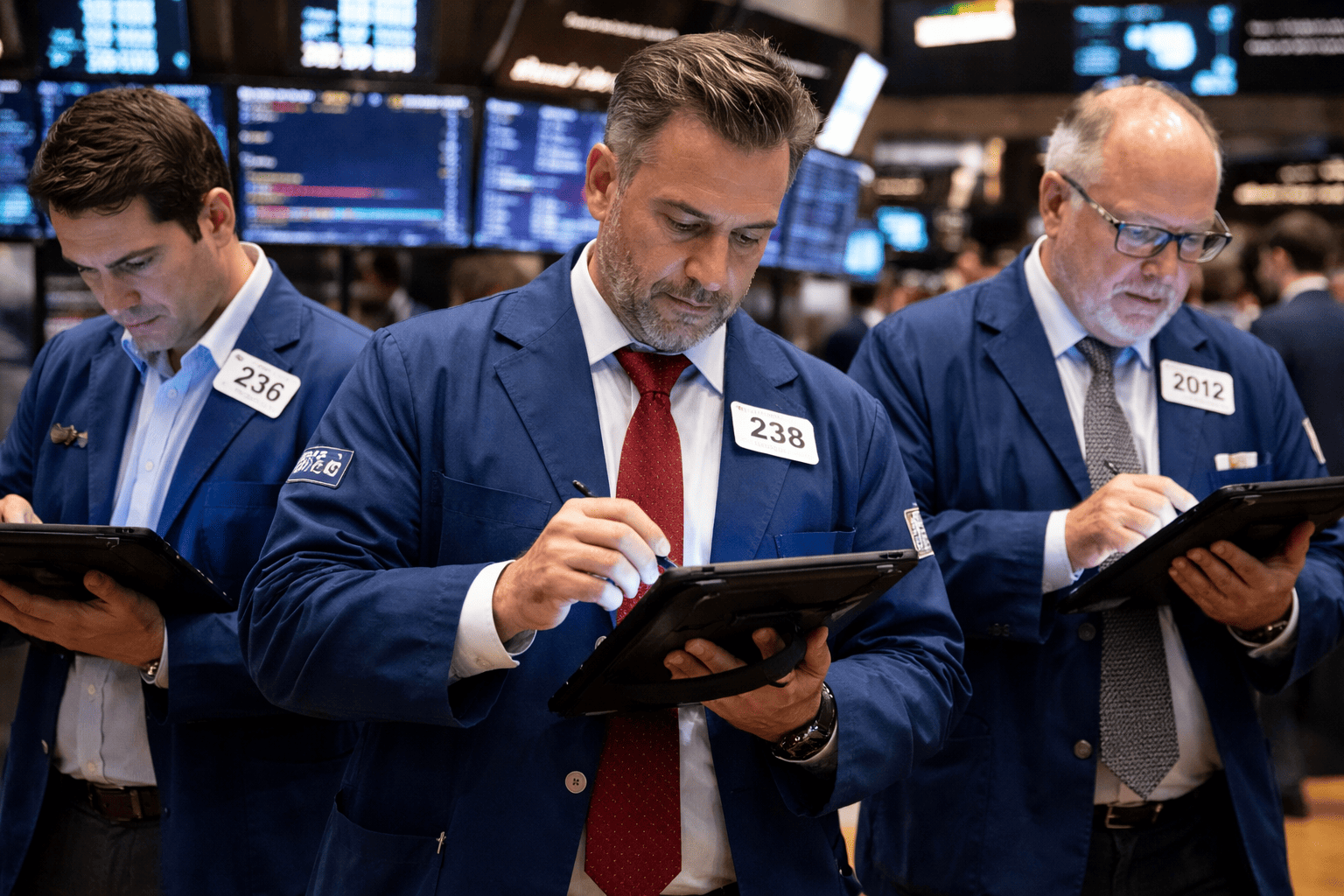
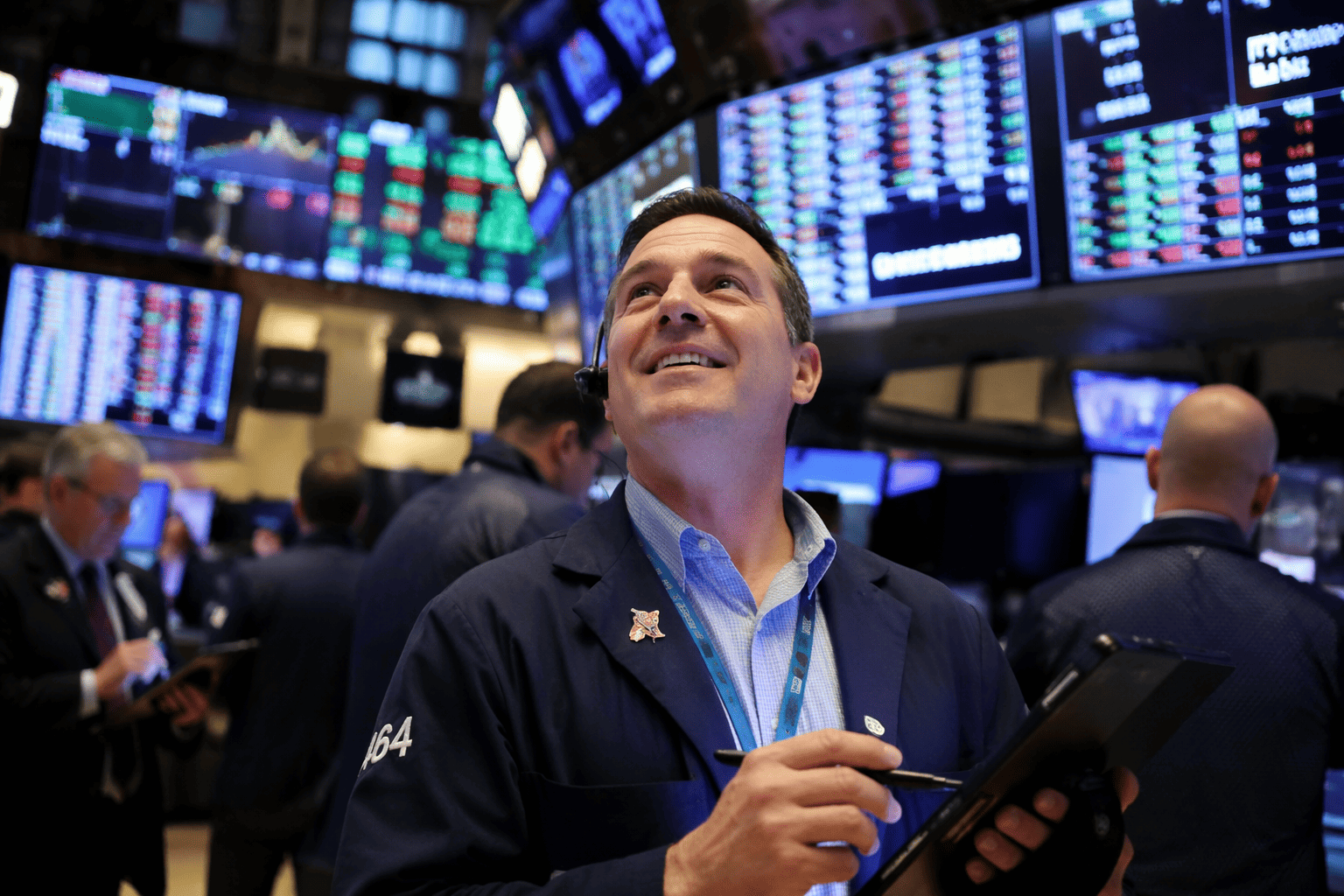
Global financial markets have staged a significant recovery, with major indices climbing to record levels following a period of heightened volatility. The primary catalyst for the rally appears to be a notable de-escalation in geopolitical tensions, particularly between the United States and Iran. Reports of potential diplomatic engagement and a reduction in immediate conflict risks have allowed investors to refocus on underlying economic fundamentals.
Corporate Earnings Provide Fundamental Support
The shift in sentiment has been powerfully reinforced by a stronger-than-anticipated corporate earnings season. In the United States, financial institutions have reported particularly robust results, with firms like Bank of America and Morgan Stanley exceeding analyst projections. Data indicates that over 80% of S&P 500 companies that have reported so far have surpassed earnings forecasts, bolstering confidence in the resilience of the corporate sector. This fundamental strength provides a solid foundation for the market's upward move beyond the geopolitical relief rally.
Technology Sector in Focus
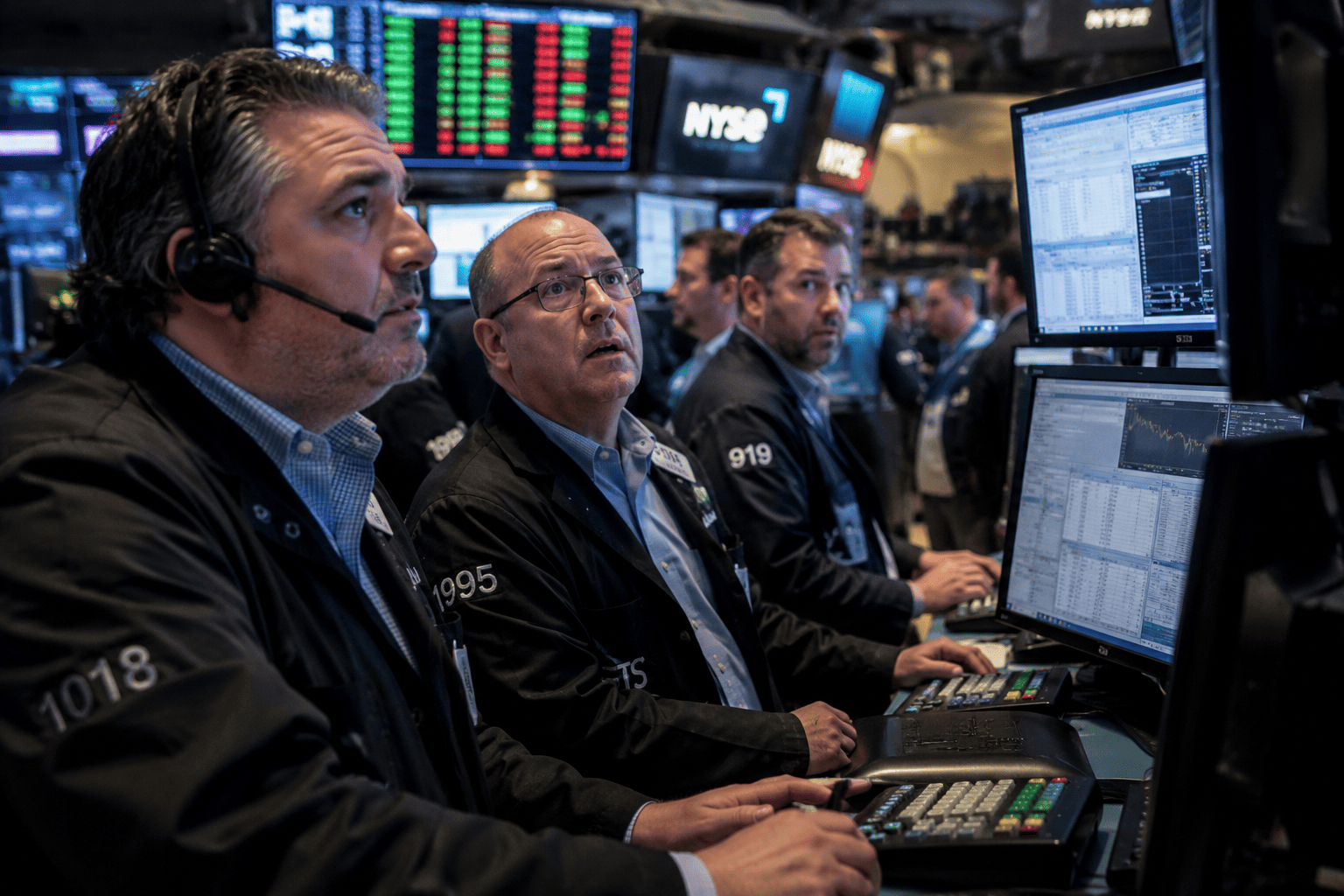
Attention is now broadening to the technology sector, where a positive earnings report from Taiwan Semiconductor Manufacturing Company (TSMC) has reinforced optimism about global demand and semiconductor industry health. This development suggests the rally may have room to extend beyond financials into other growth-oriented segments of the market.
Asia Leads Global Gains
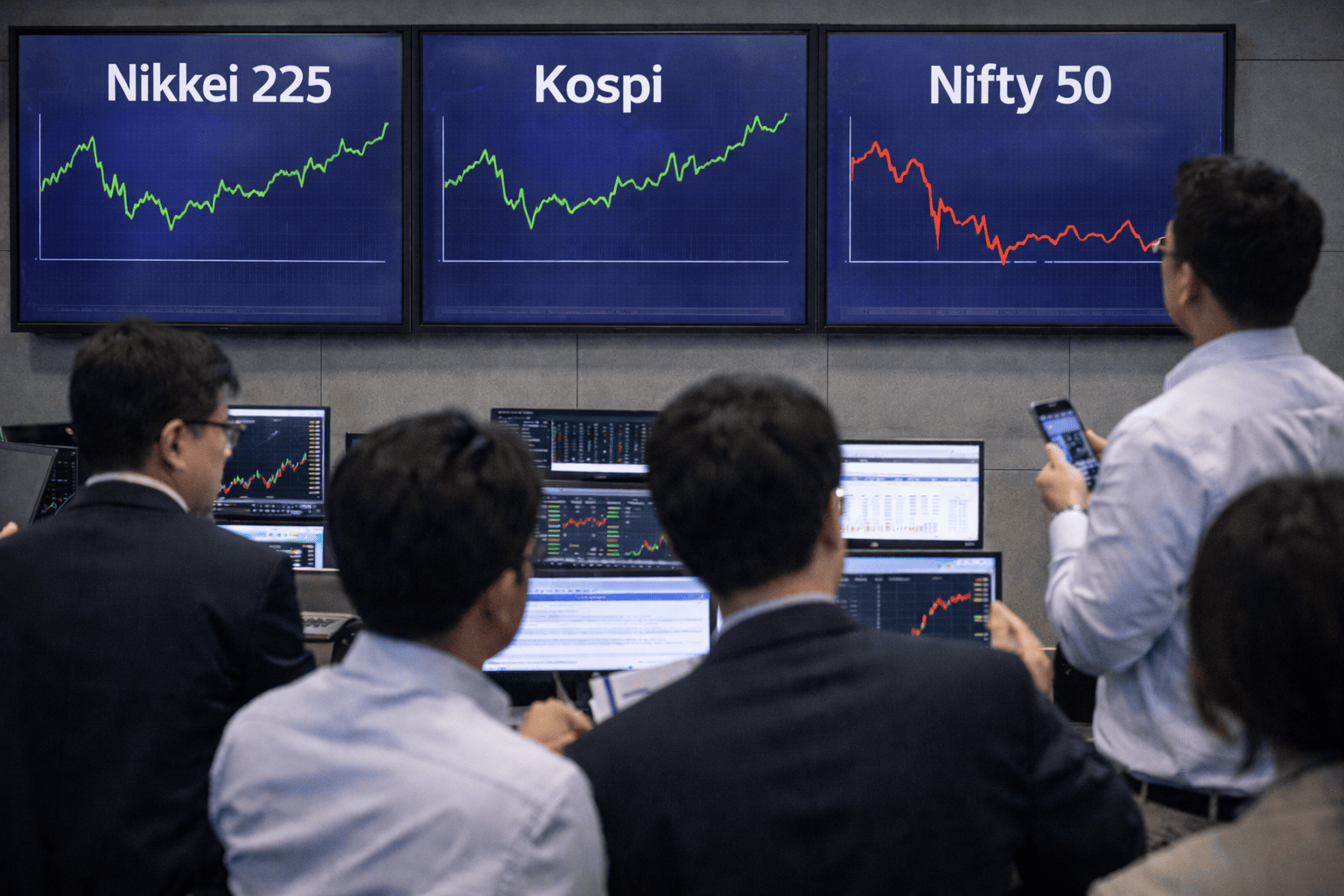
The bullish momentum has been truly global in scope. MSCI's All-Country World Index reached a new peak, while Asian markets posted standout performances. Japan's Nikkei 225 index closed at a record high after gaining 2.5%, and South Korea's KOSPI index advanced more than 2%. These gains reflect a broad-based return of risk appetite among international investors.
Commodities and Currency Markets Adjust
In commodity markets, oil prices have stabilized below the $100 per barrel threshold, with both Brent and West Texas Intermediate crude trading around $96 and $92, respectively. The easing of supply disruption fears, partly due to reports of potential diplomatic proposals regarding key shipping routes, has contributed to the calmer price action. Concurrently, the US dollar has weakened, shedding its recent safe-haven gains and declining for multiple consecutive sessions. This currency movement further signals a market rotation away from defensive assets.
Macroeconomic Data Offers Mixed Signals
Economic data released from China provided additional context for the rally. The nation's first-quarter GDP growth came in at 5.0%, surpassing the consensus forecast of 4.8% and landing at the upper end of the government's annual target range. However, underlying data for March showed some softening in retail sales and industrial output growth, indicating potential headwinds. The overall resilience, particularly in exports, has nonetheless supported global growth expectations. Separately, political developments, including commentary on Federal Reserve leadership and upcoming confirmation hearings, remain a point of observation for market participants assessing the policy landscape.
The convergence of calming geopolitical headlines, robust corporate profitability, and resilient economic data from key regions has created a potent mix for equity investors. While risks remain, the current environment has facilitated a decisive break to new highs for global benchmarks. For related analysis on market breadth, see our coverage on S&P 500 ETFs reaching all-time highs. Furthermore, the impact of geopolitical events on corporate guidance is explored in our report on European Q1 earnings resilience.
This article is for informational purposes only and does not constitute financial advice.