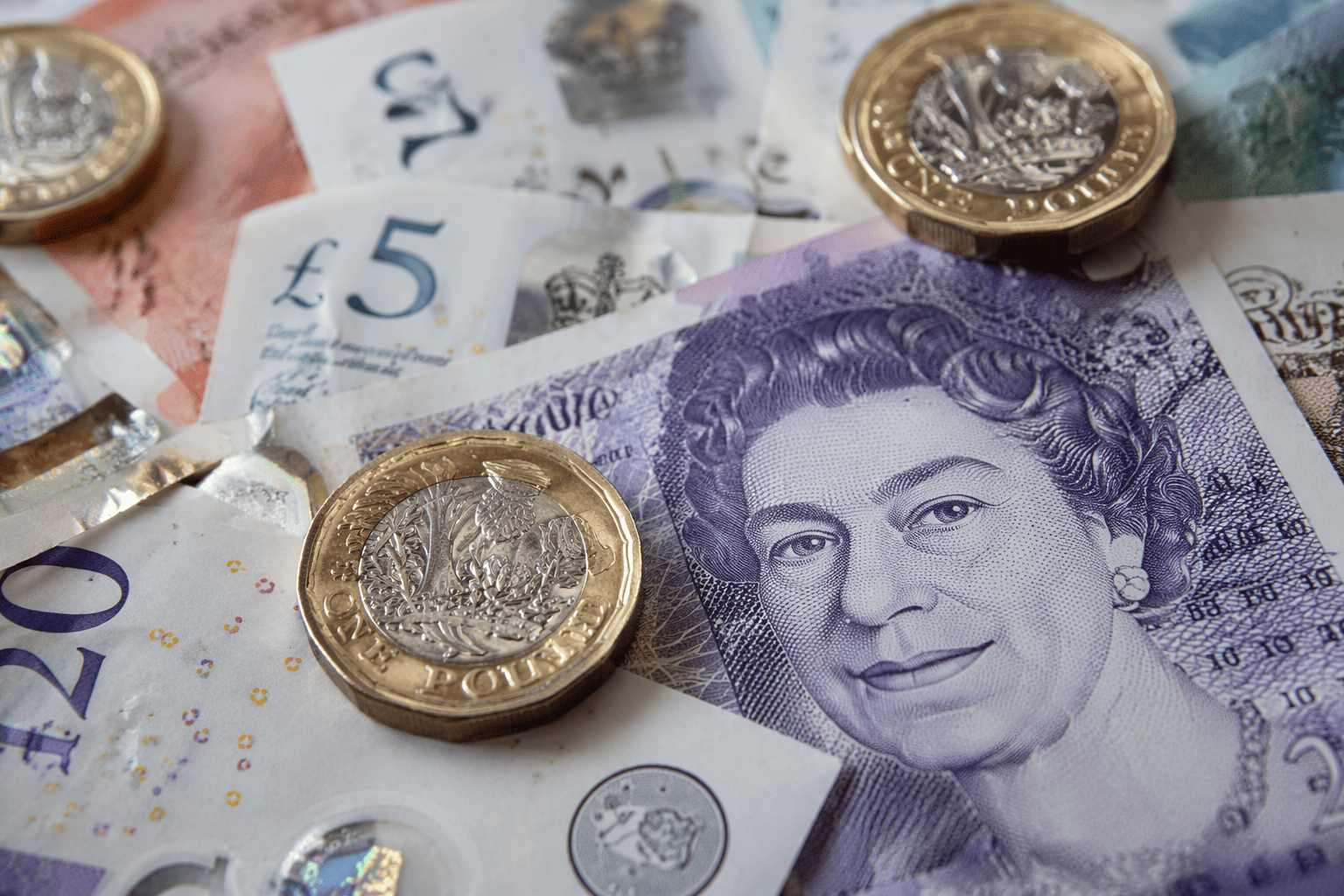
Pound Rally Pauses Amid Economic Headwinds
The British pound's recent ascent, which saw it climb nearly 3% from late-March lows, encountered resistance on Wednesday. The currency steadied against a weakening US dollar, which retreated from six-week highs as market fears over geopolitical conflict showed signs of easing. This shift in sentiment provided a temporary check on sterling's momentum, which had previously marked its longest consecutive run of gains in a year.
IMF Delivers Sharp Downgrade to UK Growth
Underpinning the caution around sterling is a significantly bleaker economic outlook from the International Monetary Fund. The IMF has sharply revised its forecast for UK economic growth in 2026 down to 0.8%, a substantial cut from the prior 1.3% estimate. This represents the most severe downgrade forecast for any Group of Seven nation and highlights specific vulnerabilities in the British economy. The revision is primarily attributed to the disruptive impact of ongoing geopolitical tensions on global energy markets, which poses a substantial risk to growth.
Energy Price Surge Fuels Inflation and Borrowing Costs
The UK's dependence on imported natural gas has magnified the economic strain. Since the onset of conflict, wholesale gas prices have surged approximately 40%, injecting fresh inflationary pressure into the economy. This energy-driven inflation has cascaded into government debt markets, where two-year UK government bond yields have risen nearly 70 basis points since late February to around 4.2%. This performance ranks as the weakest among major developed economies and reflects investor anticipation of potential monetary policy tightening by the Bank of England to combat persistent price rises.
Shifting Rate Expectations and Currency Dynamics
Market expectations for interest rate hikes have become more fluid. Recent optimism regarding a potential de-escalation in key global shipping routes has led traders to moderate some of their aggressive bets on imminent BoE action. Analysts suggest that if this improved risk sentiment holds, the perceived need for rapid rate increases could diminish, potentially removing a key support for the pound. The focus remains on interest rate differentials, which are expected to re-emerge as a primary driver for currency pairs like euro-sterling once immediate geopolitical uncertainties subside.
For related market movements, see Gold Falls 1% as US-Iran Ceasefire Falters, Dollar Gains Safe-Haven Bid and Global Equities Reach Record Highs on Easing Geopolitical Fears and Strong Earnings.
Bank of England Maintains Cautious Stance on Inflation
Amid these crosscurrents, the Bank of England has reiterated its concerns regarding persistent inflation. Policymakers have noted that the full economic impact of the energy price shock may take months to assess clearly. However, they have emphasized that upside risks to inflation remain a predominant worry, indicating that the central bank may consider pre-emptive policy moves even amid some data uncertainty. This hawkish-leaning rhetoric aims to anchor inflation expectations but adds another layer of complexity to the growth-inflation trade-off facing the UK economy.
Outlook Remains Fragile
The overall picture for sterling is one of fragility. While temporary improvements in global risk appetite can provide support, the currency's medium-term trajectory appears heavily contingent on the evolution of both geopolitical events and their domestic economic consequences. The significant growth forecast downgrade by the IMF underscores the substantial challenges ahead, suggesting that the pound's recent strength may be tested by underlying structural vulnerabilities and the potential for prolonged economic headwinds.
This article is for informational purposes only and does not constitute financial advice.