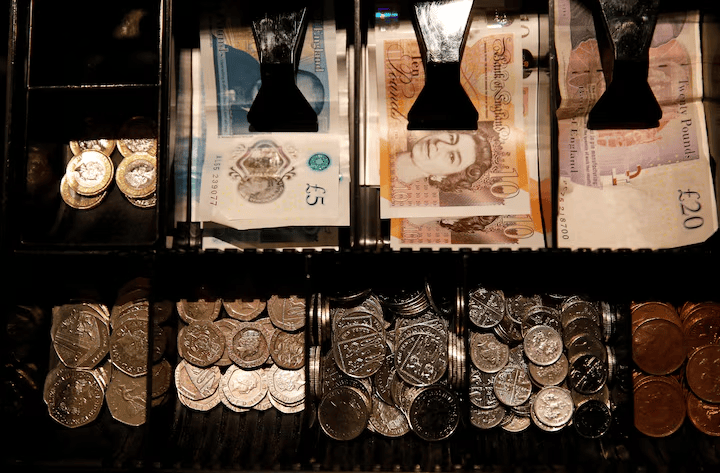
Pound Rises on Ceasefire, But Rally Stalls
The British pound recorded a slight increase against the US dollar in Thursday trading, building on gains made after the announcement of a ceasefire agreement between the United States and Iran. The currency pair GBP/USD was last seen trading 0.1% higher at $1.3407. This level remains notably above the sub-$1.33 valuation observed prior to the diplomatic development. However, the pound retreated from its Wednesday peak of $1.348, indicating that market optimism was tempered by concerns over the durability of the truce.
Geopolitical Uncertainty Drives Market Volatility
Investor sentiment remained fragile as military actions continued elsewhere in the Middle East. Reports of Israeli strikes in Lebanon emerged concurrently, and there was no confirmation that Iran had ended its blockade of the critical Strait of Hormuz. This maritime chokepoint disruption has been cited as causing historic levels of interference with global energy supplies. Iranian officials linked the continuation of any deal to a cessation of hostilities in Lebanon, highlighting the complex and unstable nature of the regional situation. These factors contributed to heightened market volatility and acted as a ceiling for sterling's appreciation.
US Dollar Benefits from Perceived Economic Insulation
Throughout the period of conflict, the US dollar has demonstrated strength. Analysts attribute this resilience to a market perception that the US economy is relatively insulated from the direct impacts of the geopolitical turmoil, especially when compared to European nations. As a net exporter of energy, the United States is viewed as less vulnerable to supply shocks in global oil markets than import-dependent economies like the United Kingdom. Consequently, sterling and other European currencies have exhibited pronounced sensitivity to headlines from the region, fluctuating against the greenback with each shift in the diplomatic or military landscape.
Sterling's Position Against the Euro
The pound also managed gains against the euro during the previous trading session. This movement has been partly linked to sterling's correlation with equity market performance, as it benefited from a rally in stock prices. The euro was last exchanged at 87.11 pence, marking a minor daily increase after recovering from a low of 86.88 pence on Wednesday.
Despite this short-term strength, currency strategists express caution regarding the pound's medium-term trajectory against the single currency. Francesco Pesole, a currency analyst at ING, suggested that the potential for further sterling appreciation may be limited. He pointed to divergent monetary policy expectations between the European Central Bank (ECB) and the Bank of England (BoE) as a key factor. "After all, the BoE was already ready to cut before the war began," Pesole noted, implying that market expectations for earlier interest rate reductions in the UK could exert downward pressure on sterling relative to the euro, where expectations for rate cuts may be receding.
Outlook Remains Capped by Fundamentals
In summary, while the British pound has shown a degree of resilience in the wake of positive geopolitical developments, its upward momentum continues to face significant headwinds. Persistent uncertainty in the Middle East, coupled with the dollar's safe-haven appeal and contrasting central bank policy outlooks in Europe, are likely to restrain any sustained rally. Traders and investors are expected to monitor both geopolitical developments and fundamental economic data closely for directional cues. For broader context on regional economic impacts, see our analysis on European corporate earnings and the report on potential energy infrastructure damage. Sterling's domestic challenges are also explored in the recent IMF growth forecast revision for the UK.
This article is for informational purposes only and does not constitute financial advice.