Nomination Process Confronts Political and Ethical Hurdles
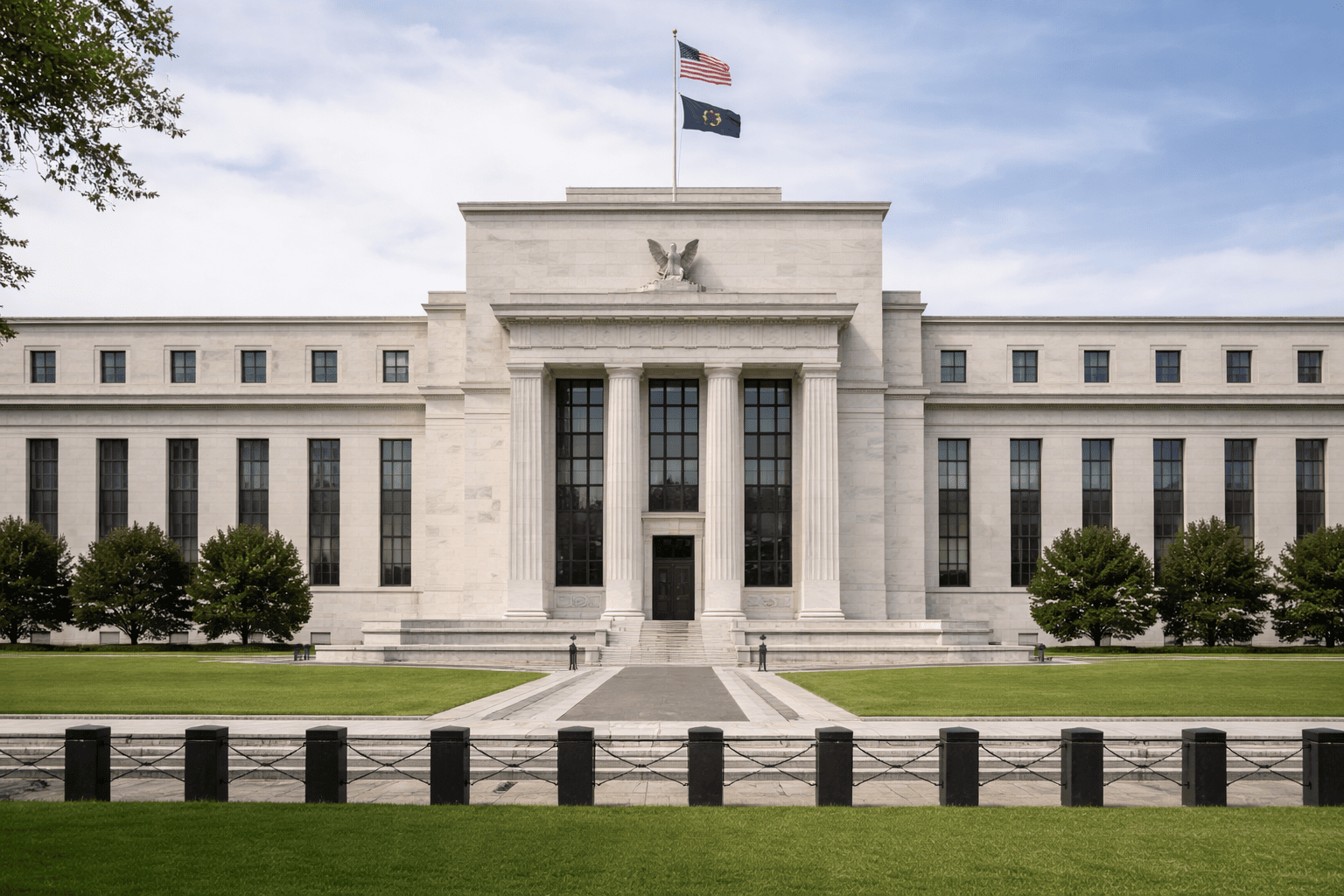
The Senate confirmation hearing for Kevin Warsh, nominated to chair the Federal Reserve, is shaping up to be a contentious battle marked by political division and ethical scrutiny. Scheduled for April 21 before the Senate Banking Committee, the process is now mired in demands for delay and questions regarding the nominee's financial transparency and past associations.
Democratic Senators Demand Hearing Delay
All eleven Democratic members of the Senate Banking Committee have formally requested a postponement of the confirmation proceedings. In a letter to Chairman Tim Scott, they argued that moving forward is inappropriate while criminal investigations involving current Fed Chair Jerome Powell and Governor Lisa Cook remain active. The senators characterized these probes as part of a broader effort by the Trump administration to exert influence over the central bank, stating it would be unreasonable to proceed while the executive branch pursues legal actions against sitting board members.

Ongoing Investigations into Fed Leadership
The political landscape is complicated by separate Justice Department inquiries. Chair Powell faces investigation concerning a multi-billion dollar renovation of the Fed's headquarters, a case a federal judge recently found lacking merit, though prosecutors plan to appeal. Simultaneously, the administration's attempt to remove Governor Cook over alleged mortgage fraud has reached the Supreme Court, where justices have expressed doubts about the legal grounds for dismissal. These events have intensified concerns about political interference in the traditionally independent institution.
Scrutiny Over Financial Disclosures and Past Associations
Warsh's personal financial disclosures have become a focal point for critics. He reported assets exceeding $130 million, including over $100 million invested in funds managed by Stanley Druckenmiller's family office, Duquesne. However, confidentiality agreements prevent full disclosure of some holdings, drawing sharp criticism from lawmakers like Senator Elizabeth Warren, who highlighted the lack of transparency regarding financial entanglements.
Further complicating the nomination are questions about past interactions with the late financier Jeffrey Epstein. Released emails show Warsh and his wife received invitations to Epstein-associated events, though his attendance remains unclear. Senator Warren has pressed for more details, stating public understanding of any relationship is essential for the confirmation process.
Republican Divisions Add to Uncertainty
Resistance is not limited to one party. Republican Senator Thom Tillis has stated he will oppose any nominee while the investigation into Powell is ongoing. With a narrow GOP majority on the committee, his position could be decisive in preventing the nomination from advancing to a full Senate vote. This internal dissent underscores the fragile political support for Warsh's confirmation and increases the likelihood of a delayed or derailed timeline.
The confluence of these factors—partisan calls for delay, ethical questions, and intra-party disagreement—sets the stage for a highly combative hearing. The outcome will have significant implications for the leadership and perceived independence of the Federal Reserve at a time of global economic uncertainty. Market participants are monitoring the situation closely, as prolonged uncertainty at the central bank could influence monetary policy expectations and market stability. For broader market context, readers can explore related coverage on equity market movements and shifts in commodity and crypto markets amid geopolitical developments.
This article is for informational purposes only and does not constitute financial advice.