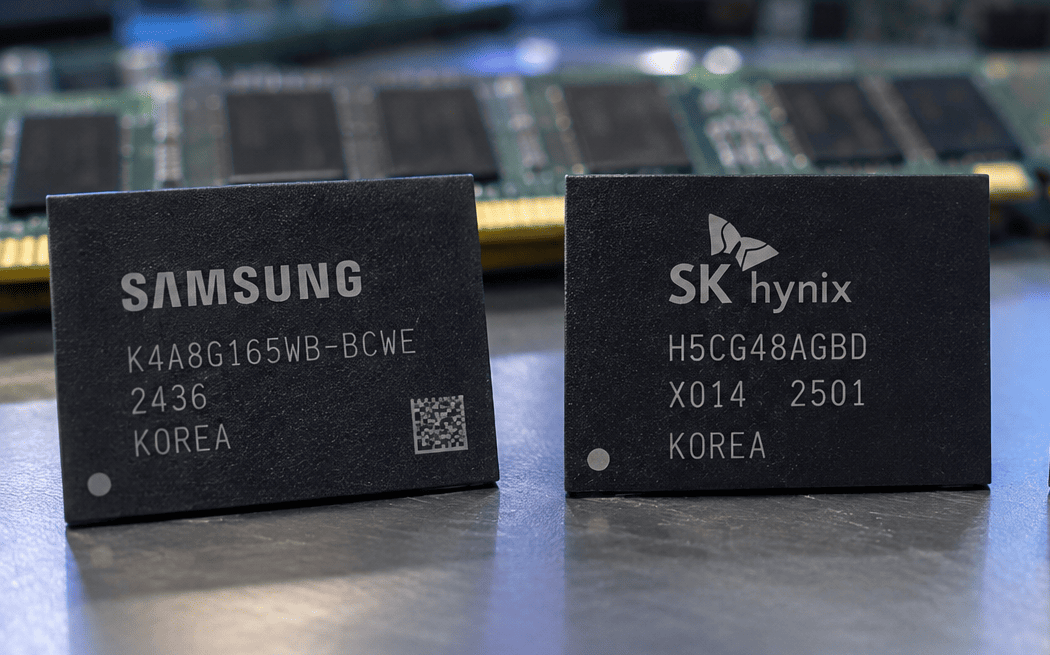
South Korea's benchmark Kospi index suffered its steepest decline in months on Thursday, falling more than 5% and triggering a temporary halt in program selling during early trading. The selloff was led by the country's two largest semiconductor makers, Samsung Electronics and SK Hynix, whose shares dropped 7.5% and nearly 9.5%, respectively.
The two companies together account for roughly half of the Kospi's total market capitalization, making their performance disproportionately influential on the broader index. Their combined market value had reached about 50% of the benchmark ahead of Thursday's rout.

Democratic sweep raises AI regulatory concerns
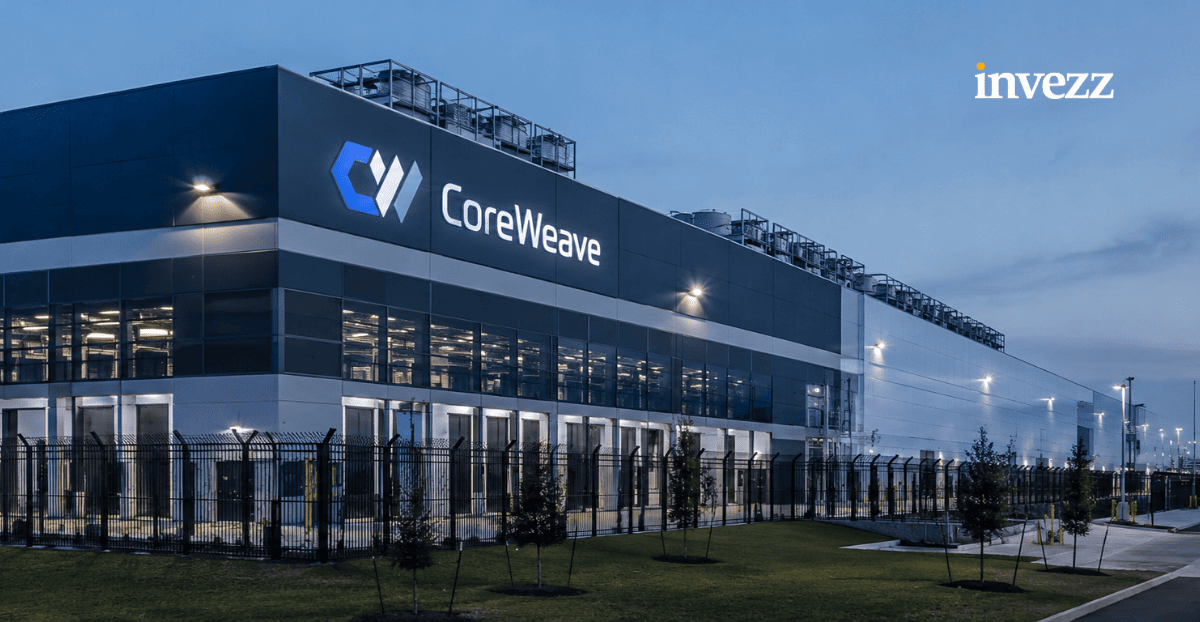
Investors were rattled by the outcome of Wednesday's US midterm elections, in which Democrats secured control of both the House and Senate. The result has heightened expectations of tighter oversight of the rapidly expanding artificial intelligence infrastructure sector, including data centers that consume significant energy and water.
Analysts suggest that stricter permitting requirements and potential restrictions on data-center construction could slow the pace of AI investment in the United States. That would have direct implications for Samsung and SK Hynix, which are major suppliers of high-bandwidth memory (HBM) chips used in AI accelerators and data-center systems. Any slowdown in infrastructure expansion could dampen future demand for advanced memory products.
The Philadelphia Semiconductor Index fell around 3% on Wednesday, adding to the negative sentiment. Mixed earnings from US chipmakers Qualcomm and Arm also weighed on the sector. Qualcomm reported handset chip revenue of $5.14 billion, below expectations, while Arm's record revenue failed to impress investors seeking stronger growth signals.
SK Hynix faces US export-license hurdles
SK Hynix is also grappling with regulatory uncertainty over its expansion plans in the United States. According to Reuters, the company is seeking export licenses from the US Commerce Department for American chipmaking equipment needed to expand production at its Dalian facility in China. SK Hynix argues that additional production in China would generate revenue to help finance its proposed NAND manufacturing facilities in Marcy, New York.
The investment could initially involve around $45 billion, with the potential to reach $100 billion over time. Executives from SK Hynix subsidiary Solidigm have reportedly held nearly 10 meetings with Commerce Department officials since late August, but approval remains pending.
Samsung expands HBM production plans
Separately, Samsung is preparing to use its second foundry facility in Taylor, Texas, to manufacture base dies for HBM chips supplied to Nvidia and AMD, according to a Maeil Business Newspaper report. Construction is expected to formally begin this month, with mass production targeted for 2030. Most of the facility's reported output has already been secured through customer orders, with AMD accounting for the larger share. Samsung has yet to officially confirm the report.
Samsung is also facing changes in its labor structure, with employees filing an application to establish a sixth labor union amid reported disagreements within existing unions over compensation and wage negotiations.
The sharp decline in Samsung and SK Hynix shares underscores the market's sensitivity to regulatory and geopolitical developments affecting the semiconductor industry. Investors will be closely watching for further clarity on US AI policy and export controls, as well as the companies' ability to navigate these challenges.
This article is for informational purposes only and does not constitute financial advice.