Oil prices gave up earlier gains on Wednesday as investors weighed the implications of Democrats securing control of both chambers of Congress and the potential constraints on President Donald Trump's Iran policy.
Brent crude futures had climbed about 0.7% during Asian trading, with U.S. West Texas Intermediate (WTI) also posting similar advances. However, as the midterm election results became clearer, prices turned lower. By 5:10 AM ET, Brent slipped 1.26% to $102.2 a barrel, while WTI declined 0.68% to around $95.44.

Brent had already settled at its lowest level in nearly four weeks in the previous session as traders weighed diplomatic efforts to resolve conflicts involving Iran and Ukraine. The latest political developments added another layer of uncertainty to the energy market outlook.
Democratic Victory Complicates Trump's Iran Strategy
Democrats captured both the Senate and the House of Representatives, a significant setback for Trump and congressional Republicans. Victories in traditionally Republican states such as Texas and Kansas underscored the scale of the party's gains.
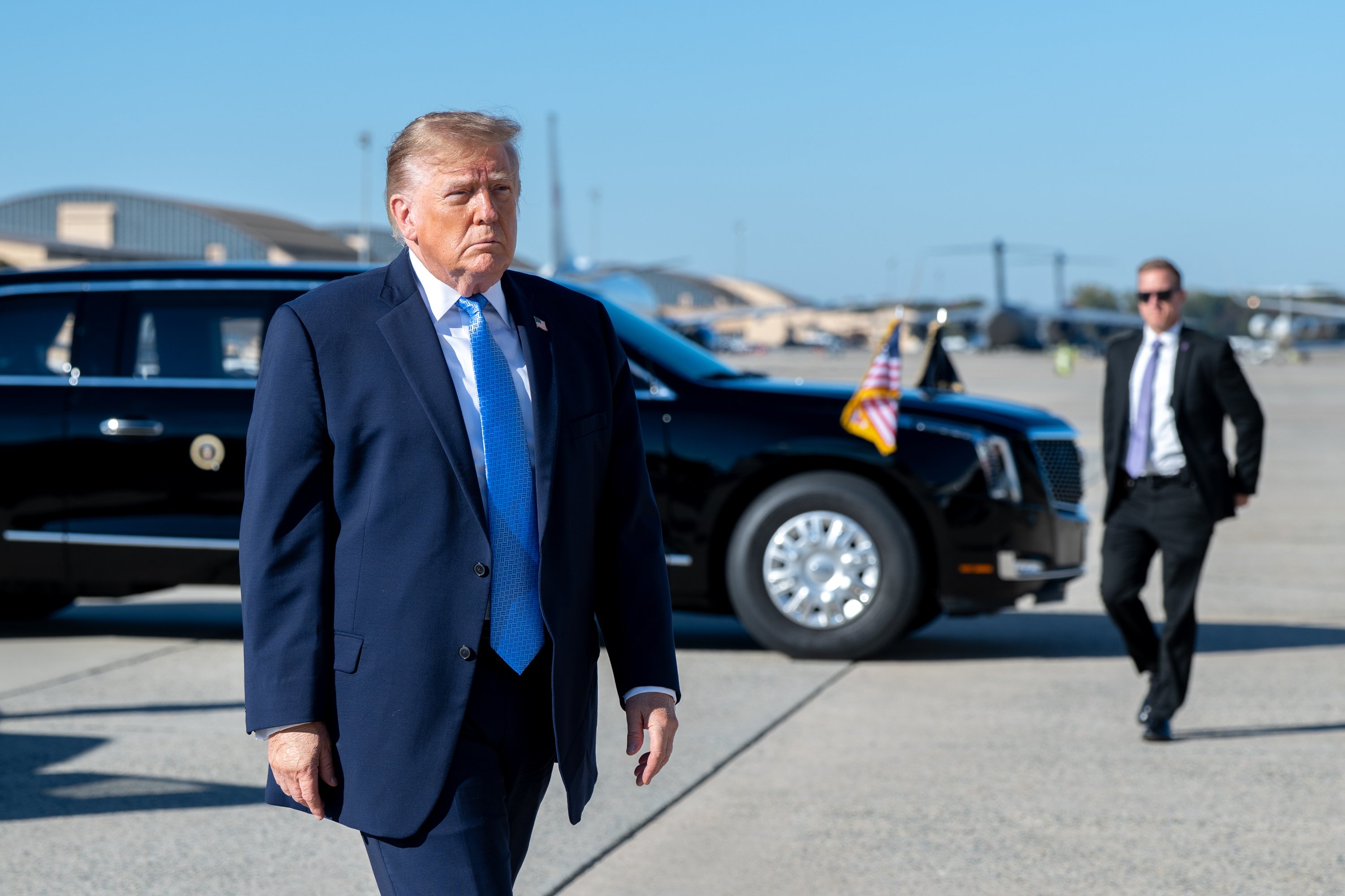
While Trump retains broad authority over foreign policy and military decisions, Democratic control of Congress could make it harder for his administration to secure funding for an extended military campaign against Iran. Berenberg's Holger Schmieding warned that Congress would likely resist providing money for an expensive military campaign similar to the Iran war.
“Congress will most likely not grant him the money for an expensive campaign similar to the Iran war… We probably have to brace ourselves for significant foreign policy noise in the two final years of the Trump presidency,” Schmieding told CNBC.
Laurel Rapp, director of Chatham House's US and North America Programme, also told CNBC that Democrats could use votes in both chambers to try to constrain the administration's approach to Iran, although whether those efforts would bind the president remains uncertain.
However, JC Lintzenich, visiting senior fellow at the German Marshall Fund, argued that Trump will be far from a "lame duck." "The President of the United States still has lots of power, lots of authority. We still have pending action in Iran. We still have an unresolved situation with Russia and Ukraine. What we’ll now see is a little bit more congressional oversight," he told CNBC.
Iranian Parliament Speaker Mohammad Bagher Ghalibaf responded to the election outcome, saying: “Conscience or the cost of living, Americans said NO TO WAR, and we endorse this message.” Inflation induced by the Iran war was among the major topics of contention for voters in the midterms.
Qatar's Diplomatic Efforts Offer Hope
Meanwhile, diplomatic efforts to end the conflict continue, with Qatar facilitating discussions between Iranian and US officials. Qatari mediators had traveled to Tehran to meet Iranian Foreign Minister Abbas Araghchi, while a draft proposal aimed at restarting negotiations has reportedly been under discussion.
Iran has indicated that it remains open to dialogue but wants Washington to accept its conditions, including those concerning the Strait of Hormuz. The Trump administration has also said that it is willing to take the diplomatic route even as it remains ready to deal militarily. However, the diplomatic process has yet to produce a breakthrough, leaving traders uncertain about how quickly regional energy supplies could return to normal.
Strait of Hormuz Risks Continue to Support Oil
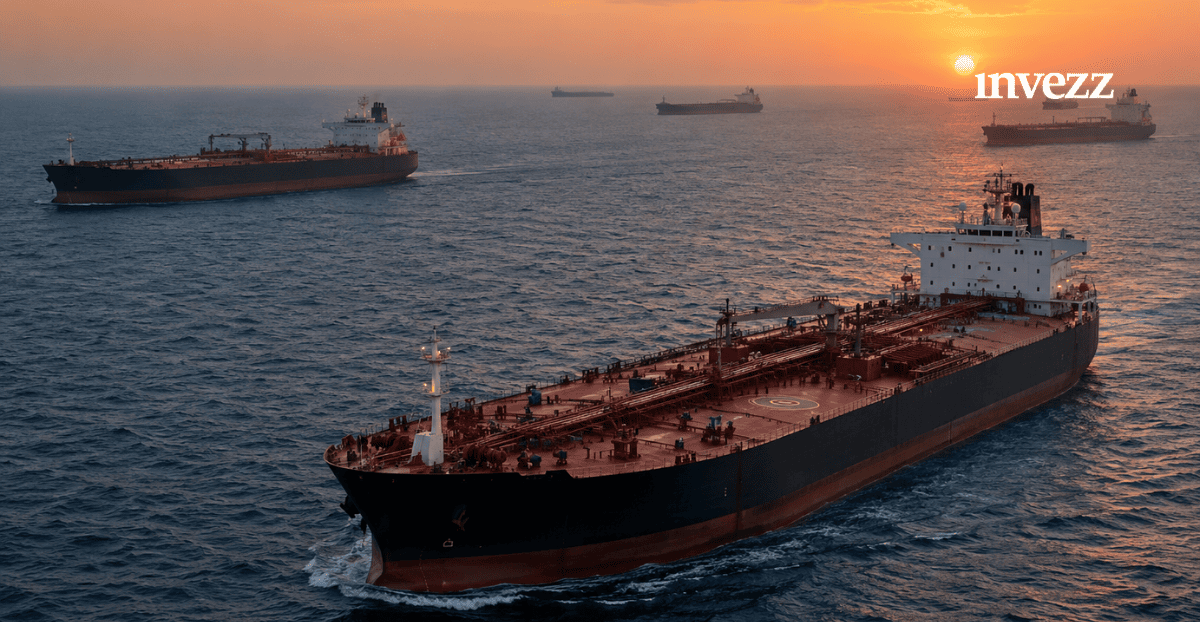
Despite hopes of a diplomatic resolution, the threat to commercial shipping remains a concern for energy markets. Iran said on Wednesday that in a fresh incident, four tankers were set ablaze after they hit mines near the Strait of Hormuz. The previous month saw close to 30 attacks on commercial vessels, highlighting the risks facing one of the world's most important oil transportation routes.
"The underlying supply disruption risks around the Strait of Hormuz have not disappeared. An unexpected drawdown in US crude inventories is also offering some fundamental support," said Priyanka Sachdeva, head of market insights at Phillip Nova, told Reuters.
This article is for informational purposes only and does not constitute financial advice.