European natural gas prices have more than tripled since the start of 2026, driven by persistent supply disruptions and concerns over the region's readiness for winter. The Dutch TTF futures contract, the benchmark for European gas, has rallied over 200% year-to-date, reaching levels not seen since December 2022 before easing slightly on Monday.
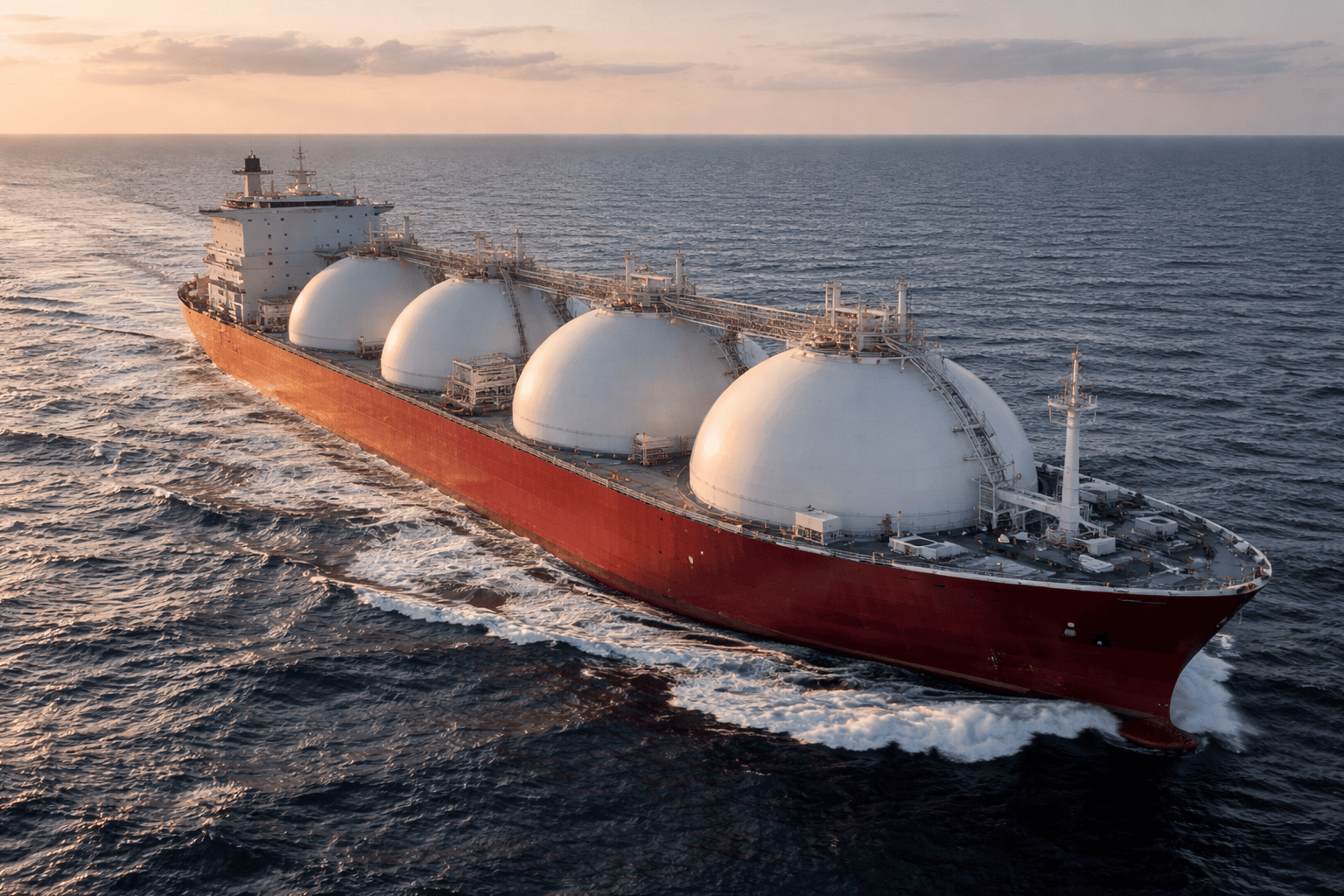
The rally is underpinned by shipping disruptions along the Strait of Hormuz, a critical chokepoint for global LNG exports. Geopolitical tensions have trapped approximately 20% of LNG exports from major producers like the UAE and Qatar, tightening global supply and pushing prices higher.
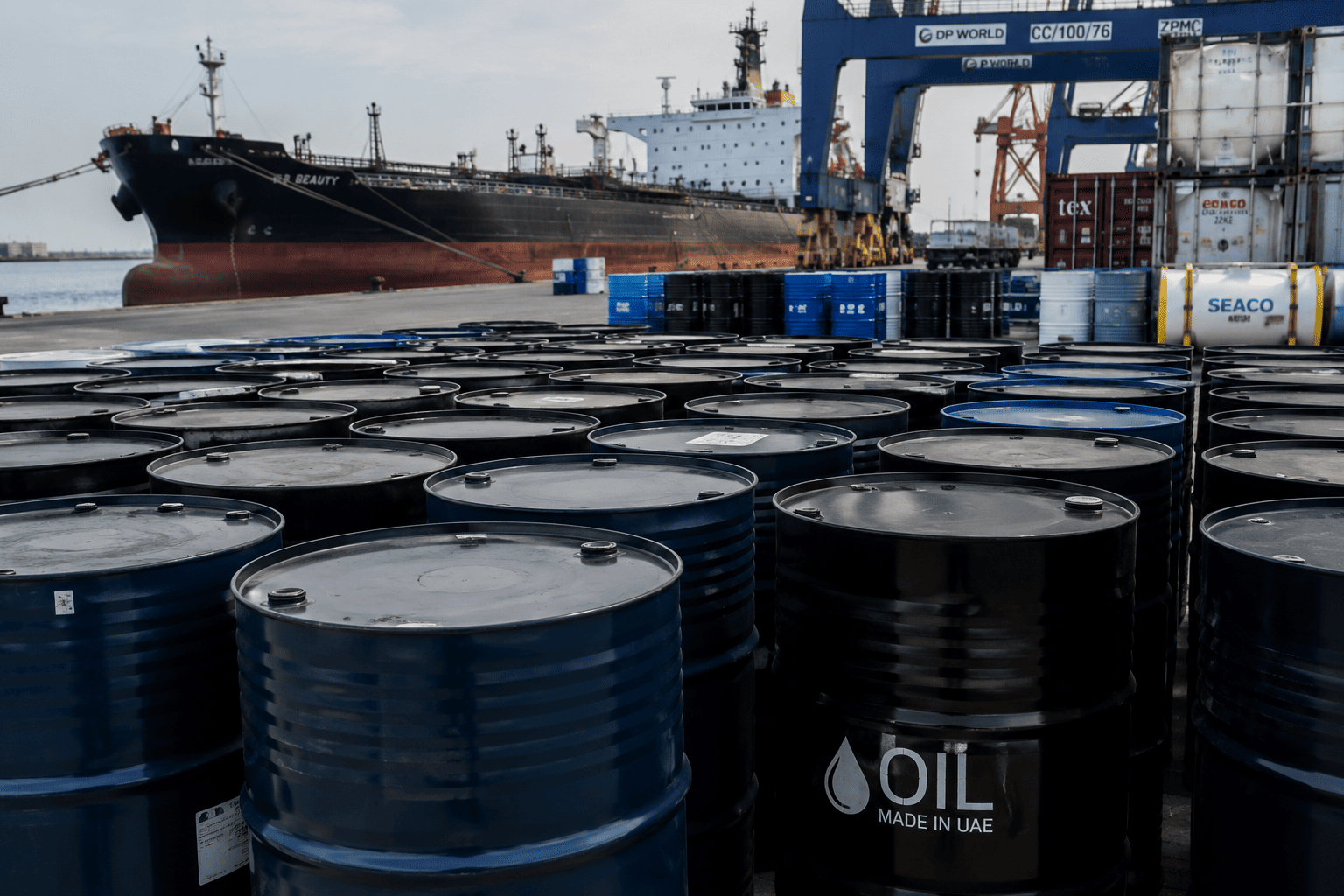
Despite increased LNG exports from the United States, which rose to 10.9 million metric tons in September from 10.7 million in August, Europe's ability to rebuild inventories remains constrained. Cooler weather along the US Gulf Coast has improved production conditions, with over half of US LNG exports now heading to Europe. However, the region is competing with Asia for these cargoes, and the persistent Middle East supply squeeze has kept prices near multi-year highs.
As Europe enters the winter season, storage levels are below historical averages. The region's storage facilities are currently at 73.94% capacity, with Germany—the continent's largest storage holder—only about 50% full. At the current pace, Germany is expected to miss its 70% storage target. The Netherlands also has notably low inventories, while France, Italy, and Poland are better stocked. The European Union had mandated that member states fill storage to at least 80% by the start of November, a target that now appears challenging for some.
Technical indicators suggest that Dutch TTF futures are at the edge of overbought territory, with the Relative Strength Index (RSI) at 69. The bullish golden cross pattern, formed by the 25-day and 50-day exponential moving averages, has been in place for over three months, signaling sustained upward momentum but also raising the risk of a corrective pullback.
Given the fundamental and technical backdrop, a pullback is possible. Key support levels to watch are at 84.74 euros per MWh, with further downside potentially limited at 83.98 euros. On the upside, a continued rally could target 88.93 euros.
The market remains sensitive to geopolitical developments, particularly any escalation in the Middle East that could further disrupt LNG flows. Conversely, a de-escalation could ease supply fears and trigger a sharp correction in prices.
This article is for informational purposes only and does not constitute financial advice.