
Oil markets demonstrated notable restraint last week as renewed friction in US-Iran negotiations failed to trigger the sharp price spikes seen in prior episodes. According to Commerzbank AG, this tempered response reflects the market's growing capacity to absorb disruptions through inventory draws, rerouting of exports, and demand adjustments.
Brent crude and European natural gas posted only modest gains after hopes for a swift US-Iran agreement faded. Norman Liebke, FX and commodity analyst at Commerzbank, attributed the muted reaction to the fact that oil inventories are lasting longer than anticipated, even as some product stockpiles have declined significantly. The supply-demand gap caused by the Strait of Hormuz closure has been partially bridged not only by inventory draws but also through rerouting, lower demand in certain regions, and strategic reserve releases.
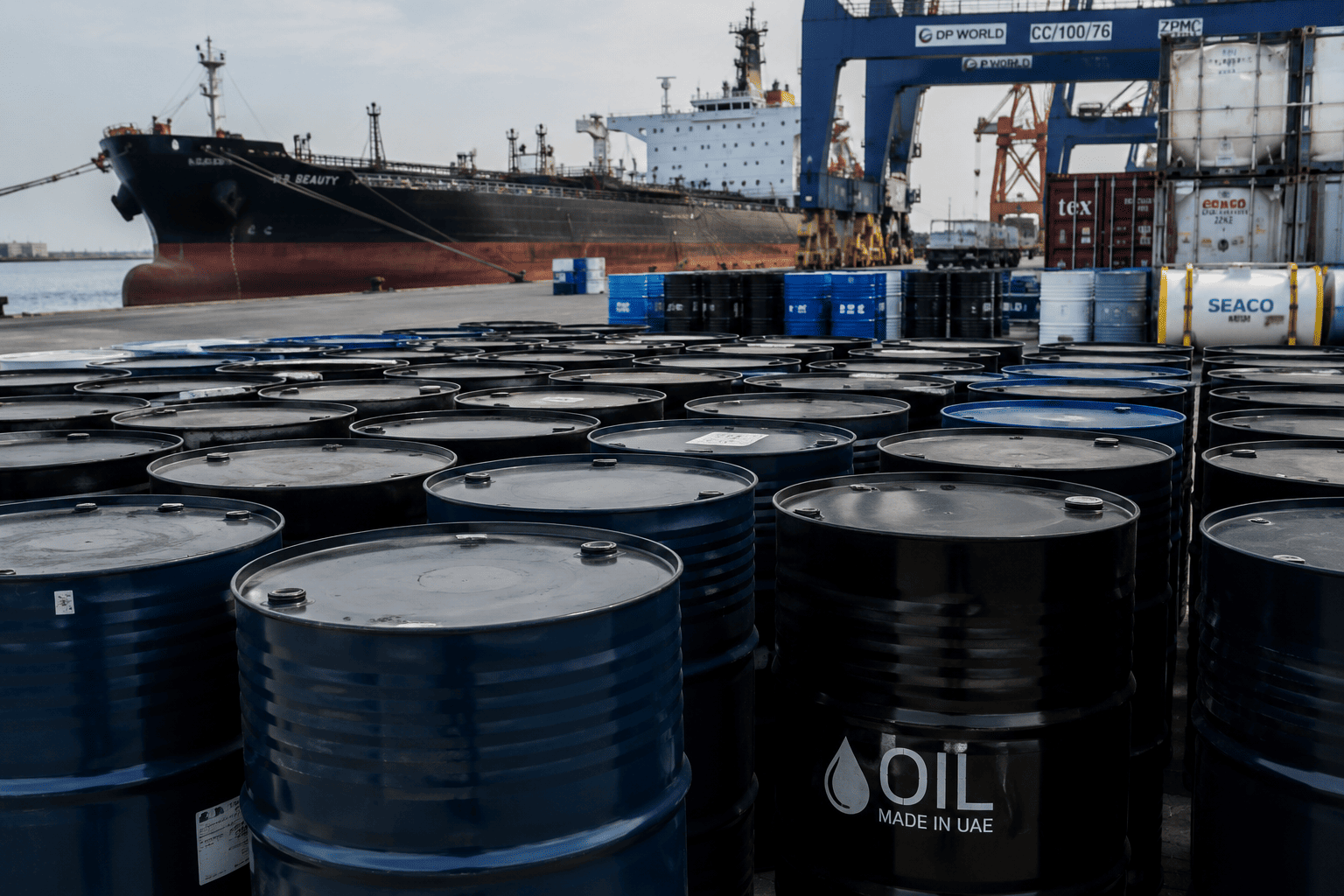
However, oil prices surged more than 4% on Monday as geopolitical tensions escalated following Israel's latest attacks on Lebanon. Markets remain highly sensitive to headlines, with uncertainty persisting over the trajectory of the conflict.
Inventory Buffer Provides Breathing Room
The resilience in crude stockpiles has given the market more room to absorb shocks than many analysts had forecast. While product inventories—particularly gasoline and distillates—have fallen noticeably, overall crude inventories have held up better, preventing a sharper price spike despite ongoing geopolitical uncertainty. The situation remains fluid, and any prolonged closure of the Strait of Hormuz or further escalation could test these buffers, especially as the Northern Hemisphere enters peak summer demand season.
Key Reports to Shape Market Direction This Week
Several important data releases this week could set the tone for oil markets through the rest of 2026 and into 2027. The US Energy Information Administration (EIA) will publish its monthly Short-Term Energy Outlook (STEO), which includes updated global supply and demand forecasts. Liebke noted that the EIA recently reported a decline in daily global oil production of approximately 10.5 million barrels per day for March and April, a drop likely to have intensified in May. However, this production decline has limited relevance to global markets because the oil cannot be shipped due to the Hormuz blockade. The EIA will also address US LNG export capacity, a critical topic given constraints on Qatari LNG.
On Thursday, OPEC will release its monthly report. The cartel's Secretary-General recently indicated that OPEC would maintain its relatively optimistic demand forecast, contrasting with more cautious projections from the IEA and EIA. Chinese foreign trade data, due next week, will also be closely watched. Liebke pointed out that China's crude oil imports by sea have fallen to a ten-year low, likely reducing competition in Asia for available oil. Should customs data show a decline in crude oil imports in May—which is expected—this alone could put downward pressure on prices.
The current environment highlights the oil market's evolving ability to adapt to geopolitical shocks. While inventories have provided more support than expected, the combination of seasonal demand strength, potential further production curtailments, and ongoing uncertainty around the Strait of Hormuz suggests that volatility is likely to persist. Analysts believe the market remains sensitive to both positive diplomatic developments and any signs of renewed escalation.
For related analysis, see Oil Surges 12% Weekly as Hormuz and Red Sea Risks Reshape Market Dynamics and Oil Retreats From Highs as Traders Weigh US-Iran Conflict Risks.
The upcoming EIA, OPEC, and Chinese data releases will be crucial in determining whether the current resilience holds or if renewed price pressure emerges. For now, the oil market appears to be in a cautious holding pattern, balancing geopolitical risks against physical market realities that have proven more accommodating than many feared. How this week's reports shape expectations could determine whether this resilience continues or gives way to sharper price movements in the second half of 2026.
This article is for informational purposes only and does not constitute financial advice.