Oil prices closed higher on Friday, capping their strongest weekly performance in three months as renewed military conflict between the United States and Iran heightened risks to two of the world's most vital energy corridors. Brent crude rose 0.8% to approximately $84.93 per barrel, while West Texas Intermediate (WTI) gained 1% to $79.76.
Both benchmarks have advanced roughly 12% this week, with Brent on track for a third consecutive weekly gain and WTI for a second. The rally reflects a widening geopolitical risk premium rather than confirmed physical supply losses, leaving prices acutely sensitive to military developments and shipping flows.

Strait of Hormuz: The Immediate Pressure Point
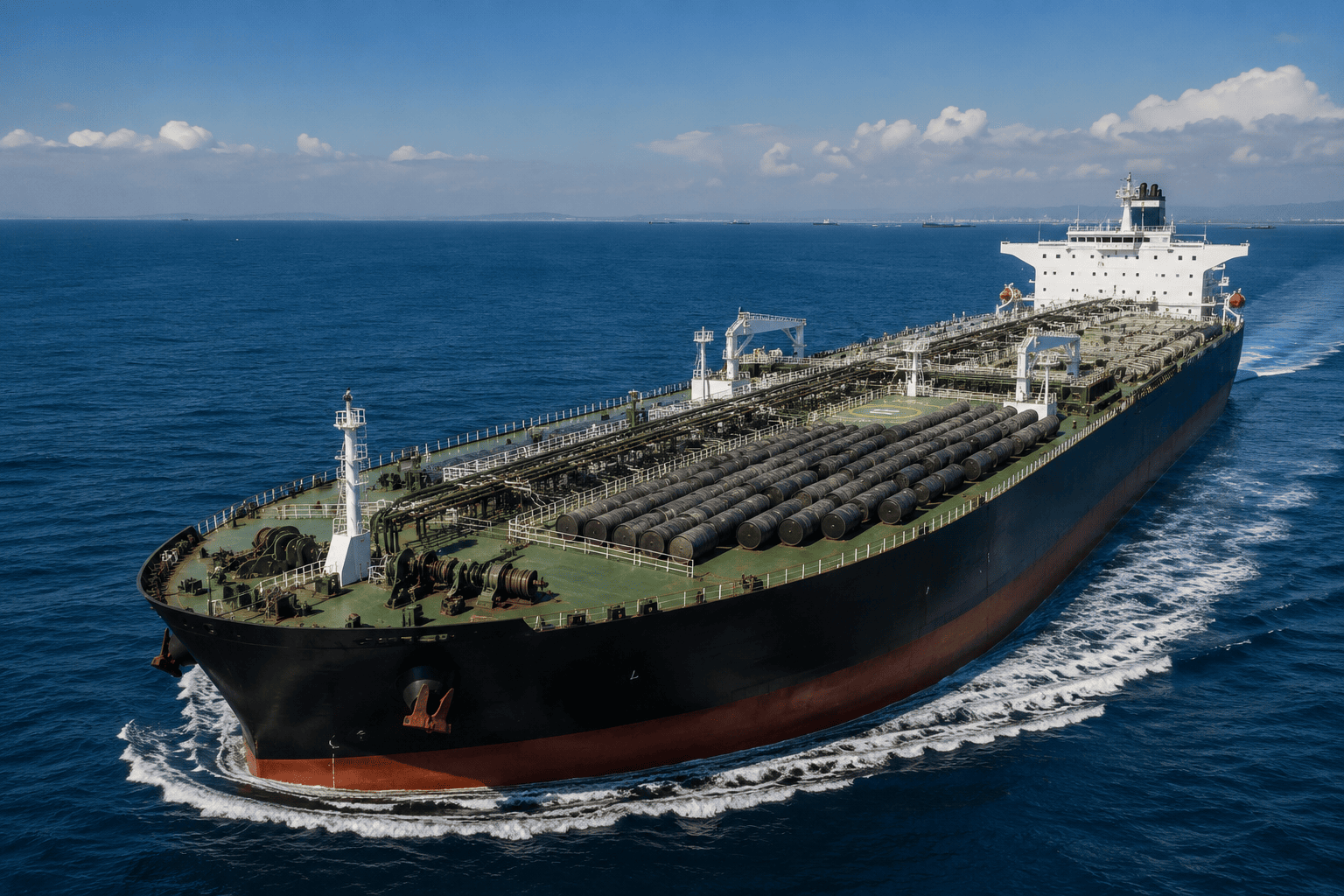
The U.S. military conducted a sixth consecutive night of strikes against Iranian targets on Thursday, according to U.S. Central Command. Iran has retaliated with missiles and drones aimed at American facilities and regional allies. This escalation has slowed tanker traffic through the Strait of Hormuz, where vessels now face elevated security, insurance, and operating costs.
The waterway typically handles about 20 million barrels per day of oil and petroleum products—roughly one-fifth of global consumption. This exposure explains why even limited disruption can produce outsized price responses. Traders are pricing not only for barrels potentially removed from the market but also for delays, rerouting costs, and the risk that Gulf exporters may struggle to ship normally.
Red Sea Threat Broadens Supply-Risk Map
The concern is no longer confined to the Gulf. Iran has reportedly asked Yemen's Houthi movement to prepare for action against the Red Sea export route if the U.S. targets Iranian power infrastructure. A renewed campaign around the Bab el-Mandeb Strait would create a second chokepoint for crude and refined products. About 4.2 million barrels per day passed through the strait in the first half of 2025, while the wider Red Sea route carries a substantial share of global commerce.
KCM Trade strategist Tim Waterer noted that the possibility of simultaneous disruption in Hormuz and the Red Sea is keeping a durable geopolitical premium in both Brent and WTI. That risk should also limit the depth of any correction while the conflict remains unresolved.
Rally Still Needs Confirmation from Physical Markets
The weekly surge has pushed crude close to one-month highs, but prices remain below levels reached during earlier phases of the conflict. This suggests traders are worried about supply without yet pricing a full closure of either route. The next test will come from tanker movements, export volumes, and any damage to production or loading facilities.
A sustained decline in flows would strengthen the case for Brent to clear $85 and for WTI to challenge the mid-$80s, a level highlighted by IG analysts. For now, the bias remains upward, but conviction is tied to geopolitics rather than demand. Any credible diplomatic opening could quickly remove part of the risk premium, while further attacks on shipping or energy infrastructure would leave buyers firmly in control.
For context, Brent Crude on Track for 6% Weekly Gain as Hormuz Disruptions Keep Supply Risk Elevated highlights similar dynamics, while broader market sentiment is reflected in US Stock Funds See $17.2B Weekly Outflow, Largest Since March: Rally Fatigue? and European Stocks Hit New Highs: STOXX 600, DAX Record Weekly Gains on Rate Optimism.
This article is for informational purposes only and does not constitute financial advice.