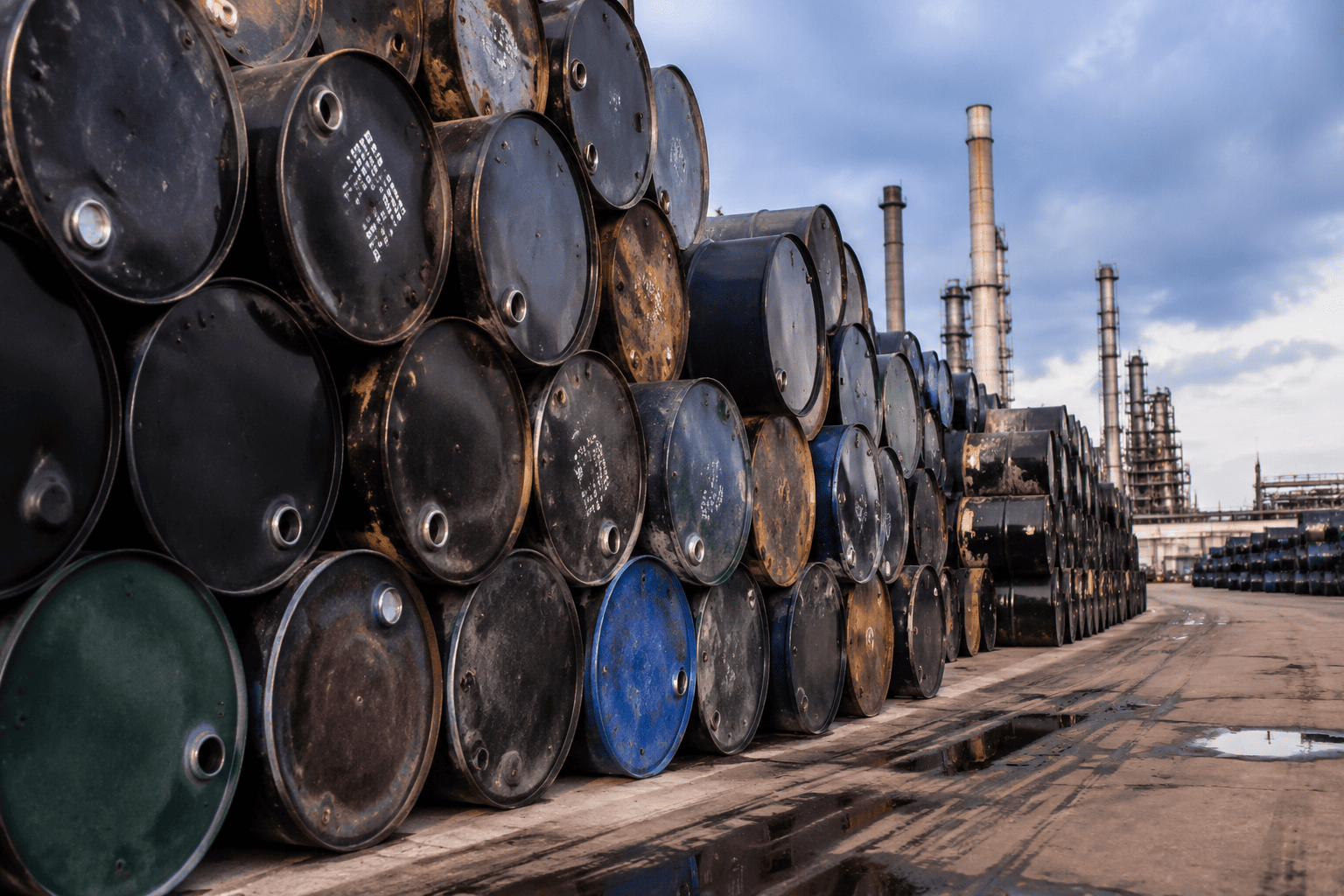
Oil prices retreated on Thursday as traders booked profits following a recent rally, even as the escalating conflict between the United States and Iran kept geopolitical risk premiums elevated. Brent crude futures slipped 24 cents, or 0.28%, to $84.95 a barrel after earlier extending gains for a fourth consecutive session. US West Texas Intermediate (WTI) crude also traded lower, falling more than 1% to just below $79.00 during Asian trading.
Despite the pullback, both benchmarks remained near their highest levels in over a month, reflecting the market's cautious stance. The decline showed limited bearish momentum, as investors continue to monitor developments in the Middle East that could disrupt global crude supplies.
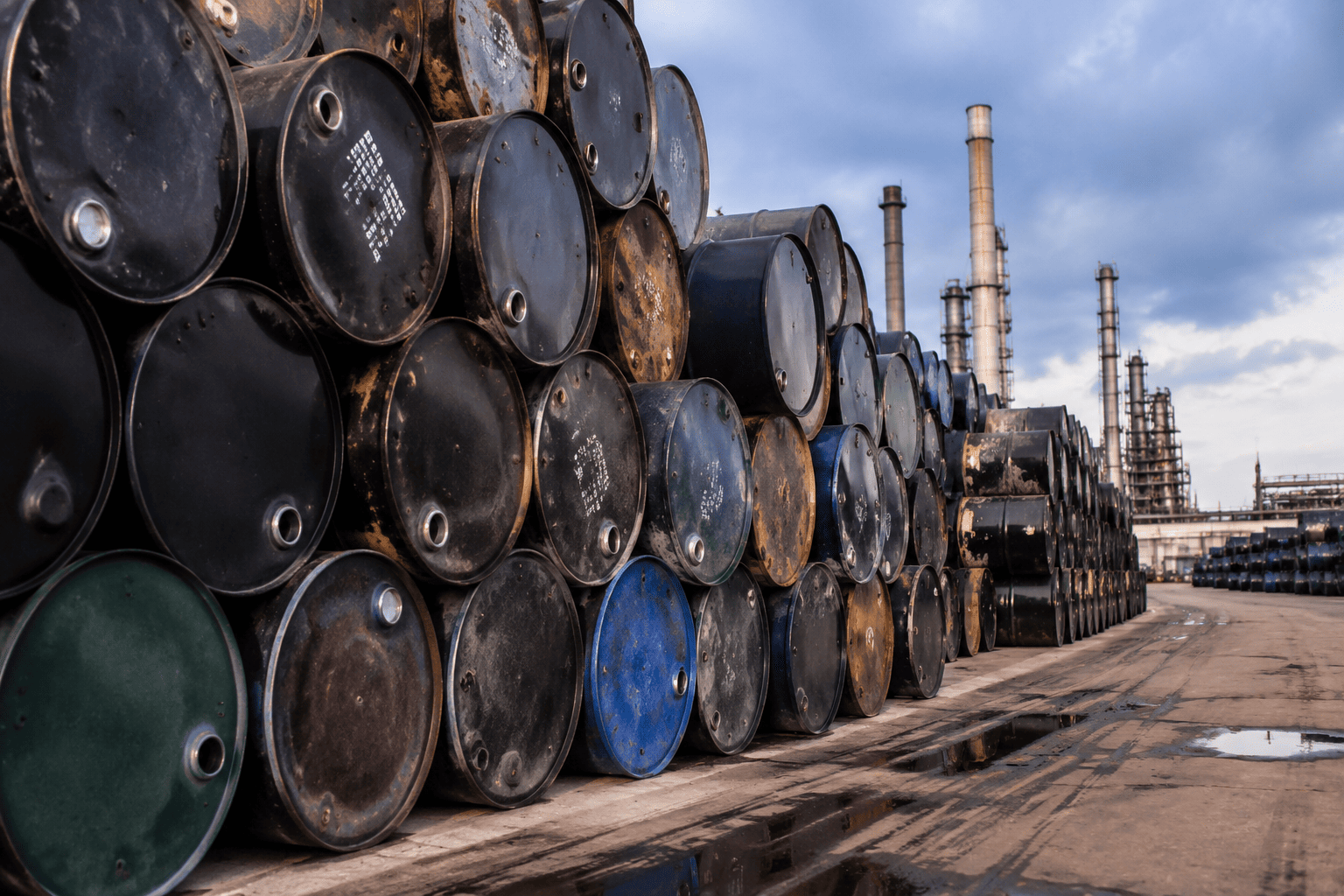
Escalating US-Iran Conflict Supports Crude Prices
The latest price action comes amid a fresh escalation in hostilities between the US and Iran. The United States launched strikes on Iran's coastal defense systems and missile sites on Wednesday after reimposing a naval blockade of Iranian ports. In response, Iran threatened to halt additional regional energy exports, describing the conflict as an existential war with the United States.
The confrontation has intensified since the beginning of the week, with US forces carrying out another wave of airstrikes targeting Iranian missile and drone infrastructure. Tehran retaliated with drone and missile attacks on US-linked military facilities across the region. These developments have heightened concerns over potential supply disruptions, particularly if tensions continue to escalate around the Strait of Hormuz, a critical chokepoint for global oil shipments.
Investors Await Fresh Developments
Despite Thursday's decline, traders remained hesitant to establish aggressive bearish positions as geopolitical uncertainty continues to underpin crude prices. Brent crude had climbed nearly $1 earlier in the session before reversing course, while both Brent and WTI reflected the market's cautious stance. Investors appeared to be waiting for further developments in the Middle East before placing fresh directional bets.
Ongoing uncertainty surrounding the conflict has kept a geopolitical risk premium embedded in oil prices, even as traders booked profits following the recent rally. As a result, market sentiment suggests that any meaningful correction in crude prices could attract renewed buying interest as participants continue to monitor the evolving geopolitical landscape.
For now, oil markets remain highly sensitive to developments in the Middle East, with traders closely watching events that could influence global energy supplies and determine the next direction for crude prices. The broader market is also weighing the impact of rising energy costs on inflation, as recent data showed US producer prices dropped 0.3% in June, partly due to falling energy costs, though geopolitical risks could reverse that trend.
This article is for informational purposes only and does not constitute financial advice.