Weekly Commodity Performance Diverges Sharply
Global commodity markets presented a split picture this week, with energy and precious metals moving in opposite directions. Crude oil benchmarks are poised to register their most significant weekly percentage decline in nearly a year, despite a modest rebound on Friday. Conversely, gold is on course for its third consecutive weekly gain, buoyed by shifting monetary policy expectations in the United States.
Crude Oil's Volatile Week
Both Brent and West Texas Intermediate crude futures traded higher on Friday, each gaining approximately 1.5%. Brent was near $97.30 per barrel, while WTI hovered around $99.37. However, these gains did little to offset substantial losses earlier in the week. The contracts have shed roughly 12% over the past five days, marking the largest weekly drop since June 2025. This decline follows a two-week ceasefire agreement between the United States and Iran, brokered earlier in the week.

Market attention is now firmly fixed on planned weekend negotiations between US and Iranian officials. Analysts suggest traders are adopting a cautious stance ahead of these discussions. "It is likely that oil market participants will prefer to maintain relatively neutral positions heading into the weekend, given the scheduled US-Iran talks," noted David Morrison, a senior market analyst at Trade Nation.
Supply concerns persist beneath the surface. Transit through the critical Strait of Hormuz remains severely constrained, with reported traffic volumes at less than 10% of normal levels. While the ceasefire has halted aerial strikes, it has not resolved the maritime blockade. Warren Patterson, head of commodities strategy at ING Group, cautioned that "even if transit through the Strait resumes, the restoration of energy supplies is unlikely to be instantaneous." He pointed out that production cuts at oil fields and reduced refinery operations mean some supply disruptions could persist for weeks.
Gold's Resilience Amid Dollar Strength
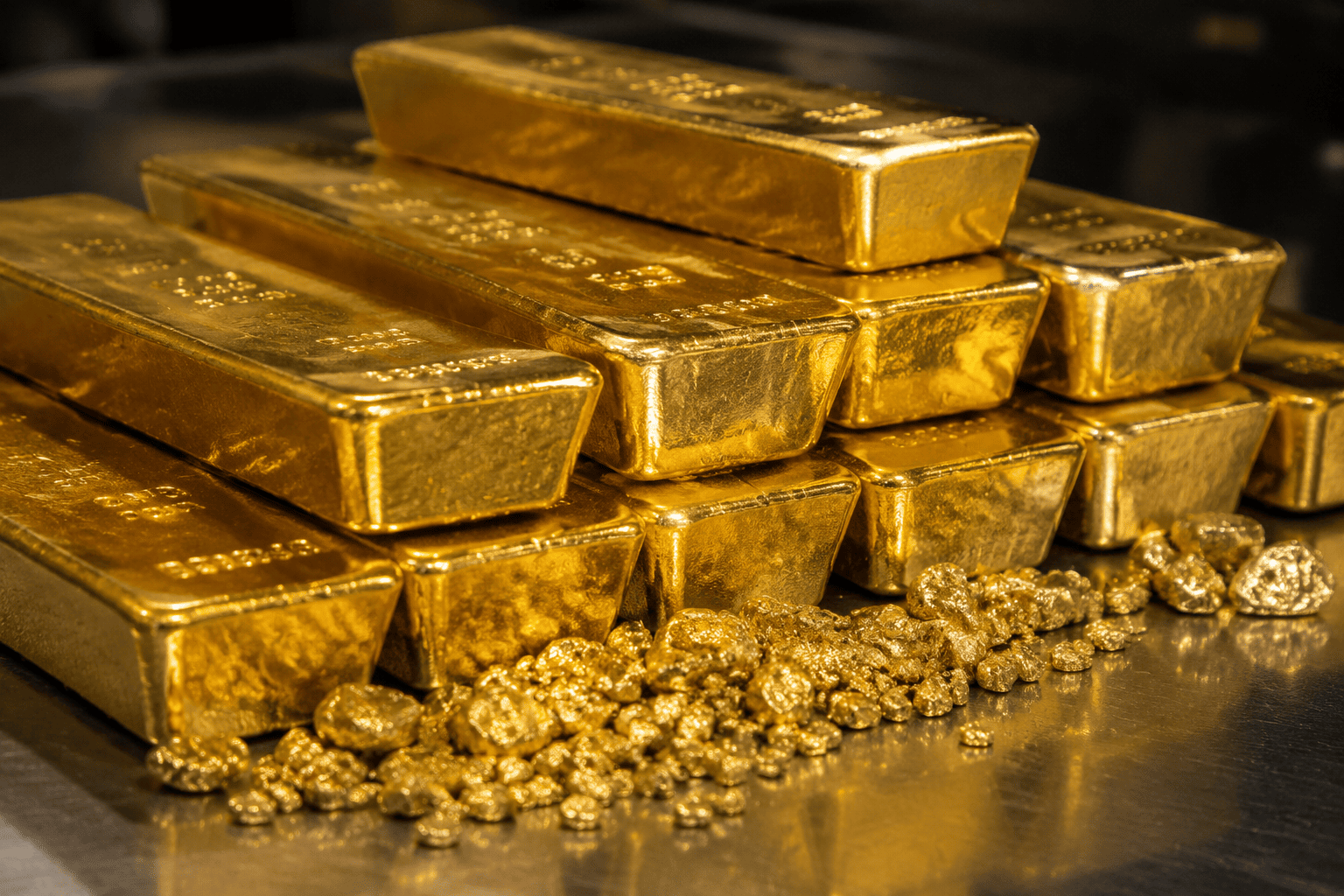
Precious metals displayed resilience, with gold set to close the week higher despite a slight pullback on Friday. The dip was attributed to a stronger US dollar, which makes dollar-priced bullion more expensive for holders of other currencies. The primary supportive factor for gold has been growing market anticipation of interest rate reductions by the Federal Reserve. As a non-yielding asset, gold becomes more attractive when rates are expected to fall.
This dynamic has outweighed other factors, such as recent US inflation data showing the largest consumer price increase in nearly four years during March. While gold is traditionally seen as a hedge against inflation, its appeal can be dampened in a high-interest-rate environment. Central bank activity provided additional support, with Poland announcing plans to expand its gold reserves to 700 tonnes and China reporting a significant purchase of approximately 5 tonnes in March—its largest monthly acquisition in over a year.
Base Metals and Broader Context
In the industrial metals complex, copper stood out, trading higher on the London Metal Exchange. The three-month contract was last quoted at $12,853.70 per tonne, up 1.2%. Base metals initially rallied on the ceasefire news but have since given back some gains, with copper being a notable exception. Analysts warn that the path to a durable peace agreement involving the US, Israel, and Iran is complex, suggesting volatility may persist.
The broader market context includes related developments, such as the recent decline in WTI crude following diplomatic progress and the rise in global equities amid easing geopolitical concerns. Furthermore, movements in the US dollar index continue to be a critical cross-asset driver.
This article is for informational purposes only and does not constitute financial advice.