Shipping Industry Adopts Wait-and-See Approach to Hormuz Announcement
Global shipping operators responded with measured skepticism on Friday to Iran's declaration that the Strait of Hormuz would reopen to commercial traffic. The announcement, made by Iranian Foreign Minister Abbas Araqchi, coincided with a temporary ceasefire between Lebanon and Israel and prompted immediate market reactions, with oil prices declining and equity markets gaining on reduced geopolitical risk premiums.
Verification and Safety Protocols Remain Paramount
Industry representatives emphasized that formal announcements require practical verification before altering operational patterns. Arsenio Dominguez, secretary-general of the International Maritime Organization (IMO), stated that the organization is actively verifying the announcement's implications for universal freedom of navigation and secure passage for merchant vessels. This sentiment reflects the sector's need for concrete, actionable details beyond diplomatic statements.

The Norwegian Shipowners' Association, representing approximately 130 companies operating around 1,500 vessels, highlighted specific unresolved issues. CEO Knut Arild Hareide noted that while a potential opening is a positive development, critical questions regarding sea mine clearance, specific conditions imposed by Iran, and the practical implementation of transit protocols must be addressed. Individual companies like Hapag-Lloyd confirmed they are reviewing the situation, while other major operators including Maersk, CMA CGM, and Frontline had not issued immediate operational guidance.
Persistent Security Risks and Operational Restrictions
Despite the reopening declaration, significant safety concerns continue to dominate industry risk assessments. A U.S. Navy advisory has warned that the threat from sea mines in certain areas of the strait remains not fully assessed, recommending vessels consider avoiding the region. An Iranian official clarified that while all commercial ships, including those from the United States, would be permitted transit, movement would be confined to specific lanes deemed safe by Iranian authorities and would require coordination with the Islamic Revolutionary Guard Corps (IRGC).
The official further stated that military vessels would remain prohibited from entering the waterway. U.S. President Donald Trump commented that Iran had agreed to a permanent opening and was in the process of removing sea mines. However, the shipping industry's response indicates that tangible, on-the-ground confirmation of these actions is required before normalizing transit through this critical corridor.
Strategic Importance of the Maritime Chokepoint
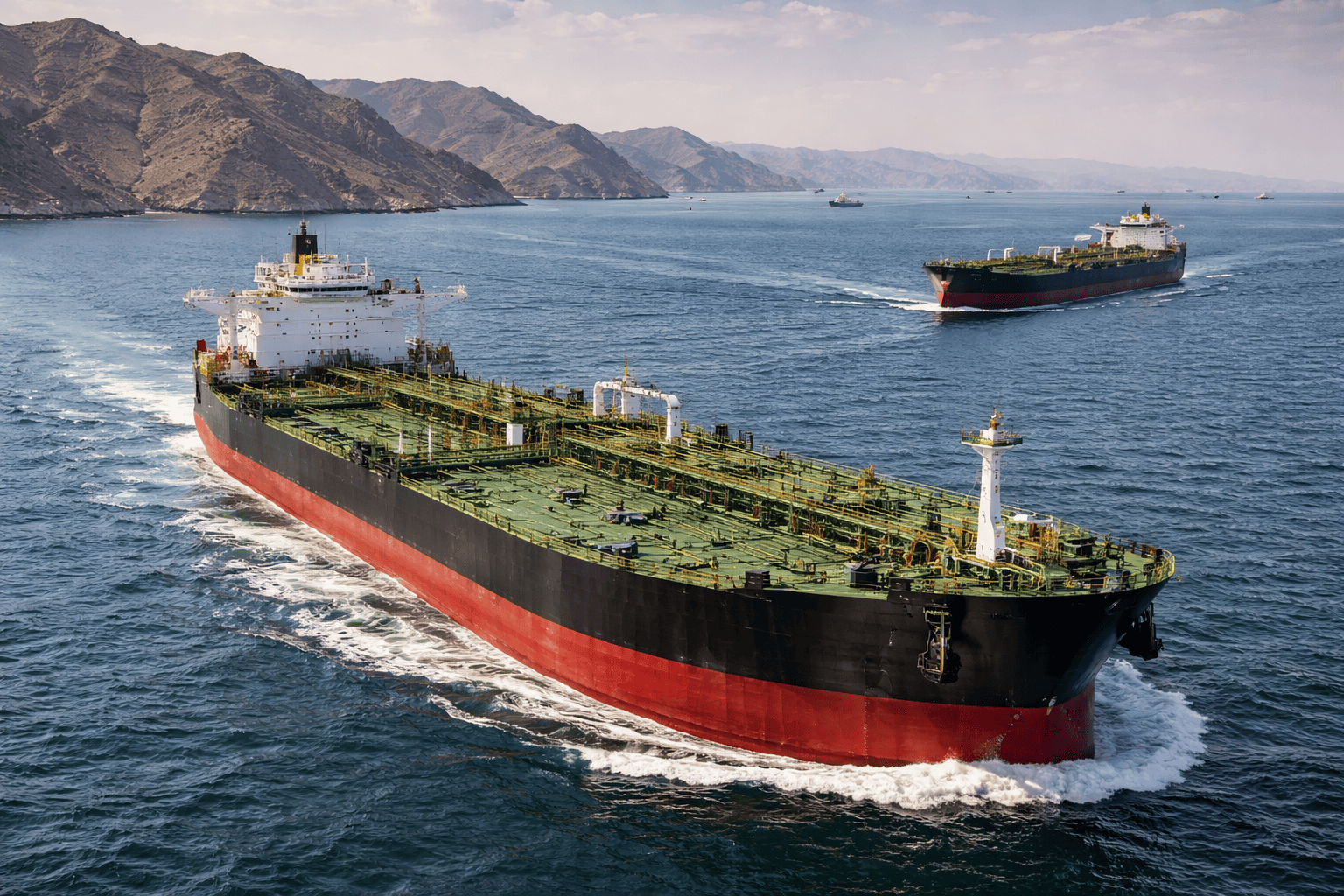
The Strait of Hormuz represents one of the world's most vital maritime chokepoints for global energy supplies and trade. Any sustained disruption to traffic through this narrow passage can trigger immediate volatility in energy markets and create bottlenecks in international supply chains. Recent tensions had compelled shipping firms to suspend voyages, reroute cargo onto longer pathways, and utilize more expensive logistical alternatives, compounding existing cost pressures within the global shipping sector.
The market's reaction to the announcement underscores its significance. For related coverage on how energy markets have responded to developments in the region, see our analysis on Brent crude price movements and the broader market impact of easing geopolitical tensions.
The situation remains fluid, with the shipping industry's cautious stance highlighting the divergence between diplomatic announcements and operational reality. Further clarity on mine clearance, transit coordination procedures, and the long-term status of the waterway will determine when and how commercial traffic fully resumes.
This article is for informational purposes only and does not constitute financial advice.