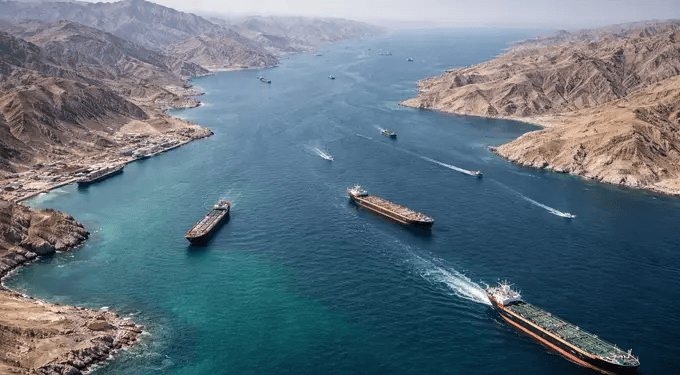
The International Energy Agency (IEA) has issued a sobering assessment of global energy supply recovery, indicating that production losses stemming from Middle East conflicts could require approximately two years to fully restore. This extended timeline, outlined by IEA Executive Director Fatih Birol, suggests markets face a period of sustained uncertainty rather than a quick resolution.
Uneven Recovery Across Oil-Producing Nations
Birol emphasized that the pace of recovery will vary significantly between regional producers. Nations with more resilient infrastructure, such as Saudi Arabia, may rebound faster, while countries like Iraq could face a much longer path to restoring previous output levels. This disparity creates a complex supply landscape where regional stability directly influences global availability.
Critical Chokepoint at the Strait of Hormuz
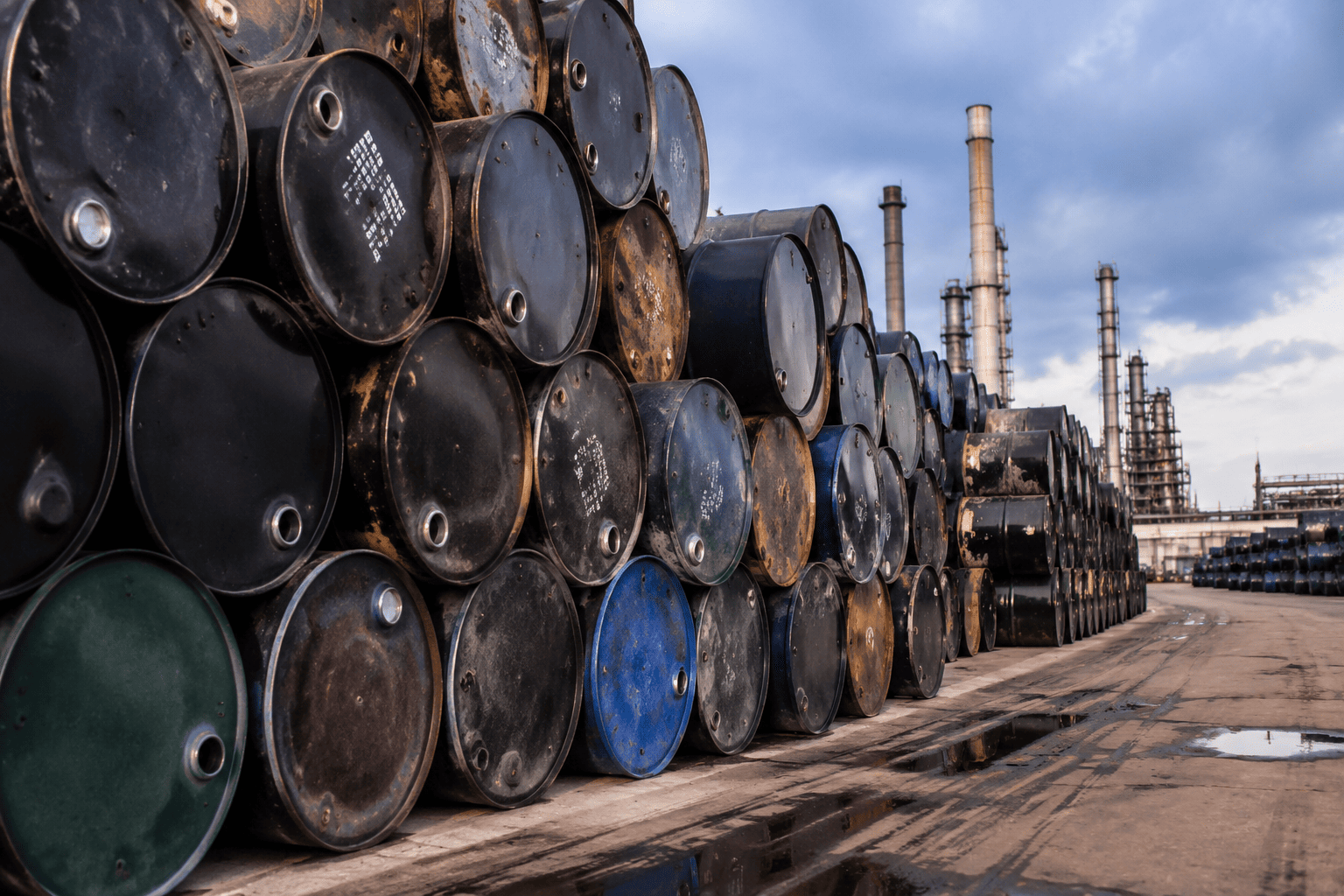
A central concern highlighted by the IEA is the ongoing risk to shipping through the Strait of Hormuz, a vital maritime corridor for approximately one-fifth of global oil consumption. Birol cautioned that markets may be underestimating the potential price impact of a prolonged closure. The absence of new tanker loadings in March has already begun to reveal supply gaps, particularly for Asian import markets that depend heavily on Middle Eastern shipments.
The initial cushion provided by shipments already in transit before recent escalations has now dissipated. This transition marks a shift from latent to visible supply pressure, with the IEA noting that the full market impact is only beginning to materialize. The agency's analysis suggests that continued disruption to this key shipping route would almost certainly trigger substantially higher energy prices across global markets.
IEA Monitors Conditions for Potential Intervention
In response to these mounting pressures, the IEA confirmed it is actively evaluating the potential use of emergency oil stockpiles. The agency previously coordinated a release in March and maintains readiness to act again if market conditions deteriorate further. This statement serves as a reminder of the tools available to mitigate severe supply shocks, though it underscores the seriousness of the current situation.
The evolving supply gap coincides with broader market fragility. Analysts are monitoring how sustained energy price pressures might influence inflation trajectories and central bank policies worldwide. Furthermore, infrastructure damage assessments, such as those highlighted in our report on potential $58 billion in regional energy infrastructure losses, compound the challenge of rapid recovery.
Broader Market Implications
Extended energy market volatility could have cascading effects across asset classes. Historically, energy shocks have influenced currency valuations, as examined in our analysis on the dollar's safe-haven appeal amid energy disruptions. Additionally, sustained high commodity prices may test demand resilience and alter consumption patterns, potentially accelerating investment in alternative energy sources.
The IEA's two-year recovery estimate establishes a framework for investors and policymakers to navigate the coming quarters. It highlights that supply-side constraints are likely to remain a persistent feature of the energy landscape, with geopolitical developments around key shipping lanes serving as a primary price driver. Market participants will need to monitor inventory data, shipping traffic reports, and diplomatic efforts to resolve regional tensions.
This article is for informational purposes only and does not constitute financial advice.