Oil Markets React to Geopolitical Shifts
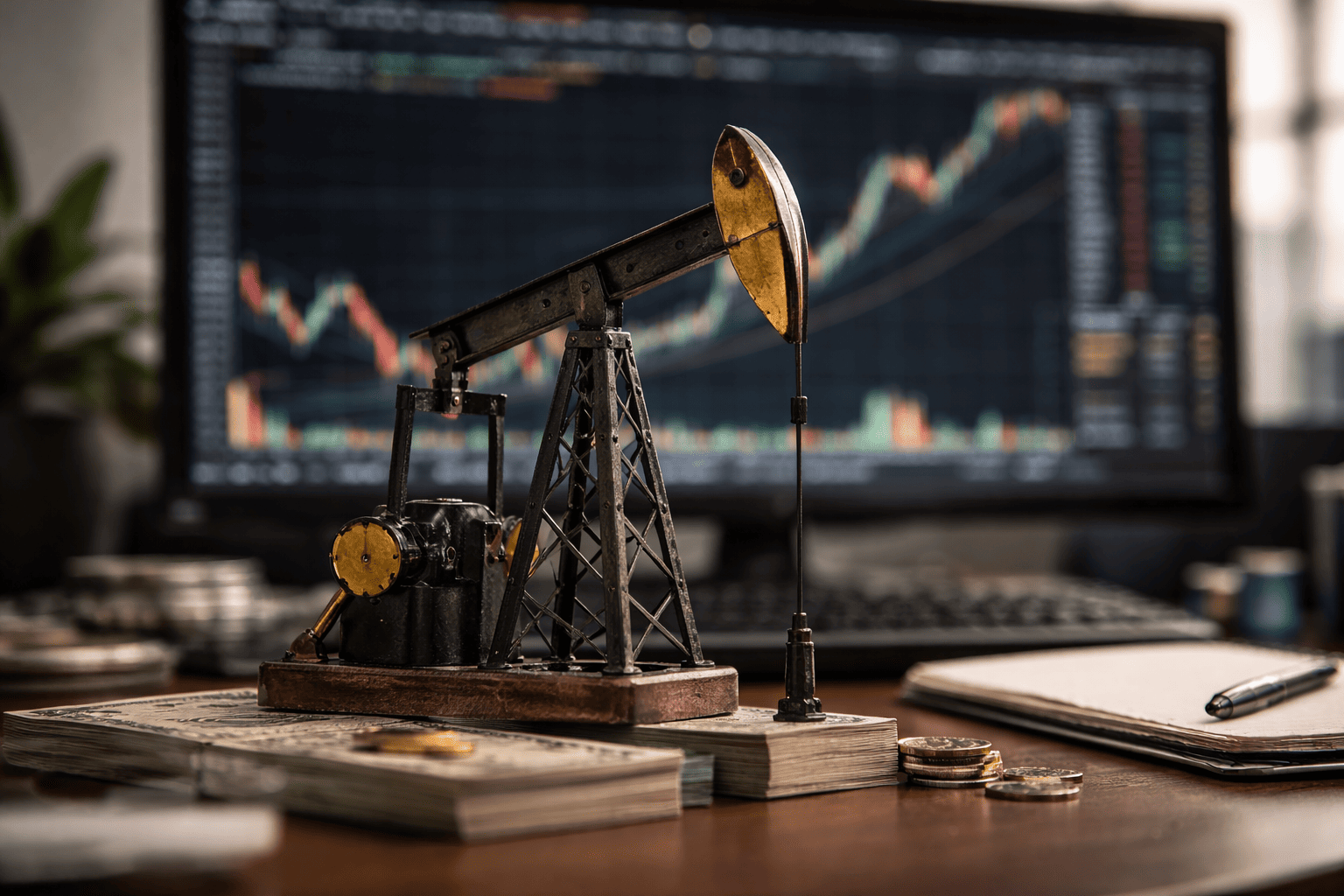
Energy markets experienced significant volatility on Tuesday, with West Texas Intermediate crude futures declining approximately 6%. The drop followed reports that diplomatic channels between the United States and Iran could reopen, potentially easing tensions that have threatened Middle Eastern oil shipments. Brent crude also retreated, falling nearly 3% and trading below the $100 per barrel threshold.
Supply Disruptions and Diplomatic Signals
The price decline represents a reversal from the previous session, where benchmarks rose sharply after military actions heightened supply concerns. Analyst commentary noted that while diplomatic progress applies downward pressure, physical supply constraints remain. The International Energy Agency highlighted in its monthly report that attacks on energy infrastructure and shipping routes resulted in the largest historical loss of oil supply, with 10.1 million barrels per day disrupted in March alone. The agency emphasized that restoring safe passage through the Strait of Hormuz is critical for global energy stability.
Market participants are weighing the potential for renewed negotiations against the current reality of constrained shipments. The IEA also adjusted its global oil outlook, now forecasting a sharper decline in supply growth compared to demand for 2026.
Precious and Industrial Metals Gain
In contrast to energy markets, precious metals advanced. Gold futures increased more than 1%, reclaiming a position above $4,800 per ounce. Analysts suggested the metal's downside appears limited as market expectations for further Federal Reserve interest rate cuts this year have diminished significantly. Silver demonstrated even stronger momentum, rising close to 5%.
The weaker US dollar, which followed the drop in oil prices, provided additional support for dollar-denominated gold, making it less expensive for holders of other currencies. Despite recent US economic data showing moderated producer price increases, persistent concerns about energy-driven inflation continue to underpin gold's traditional role as a hedge.
Base Metals Show Mixed Performance
Industrial metals presented a varied picture. Copper prices on the London Metal Exchange reached their highest level in over a month, with the three-month contract gaining 1.8%. This strength contrasts with aluminum, which pulled back 1.5% from a recent four-year peak. The performance in base metals suggests investors are assessing both industrial demand prospects and the broader implications of shifting geopolitical risks on global trade.
The day's commodity movements underscore how interconnected markets remain sensitive to geopolitical developments. The prospect of reduced conflict in a key oil-producing region immediately translated into lower energy prices, which in turn influenced currency valuations and demand for alternative assets like gold. Market observers will monitor whether diplomatic talks materialize and how quickly physical supply chains can respond.
For ongoing coverage of how geopolitical events impact currency markets, see our analysis on the Dollar Index's recent performance. Additionally, the conflict's effect on corporate earnings is explored in European Q1 earnings reports.
This article is for informational purposes only and does not constitute financial advice.