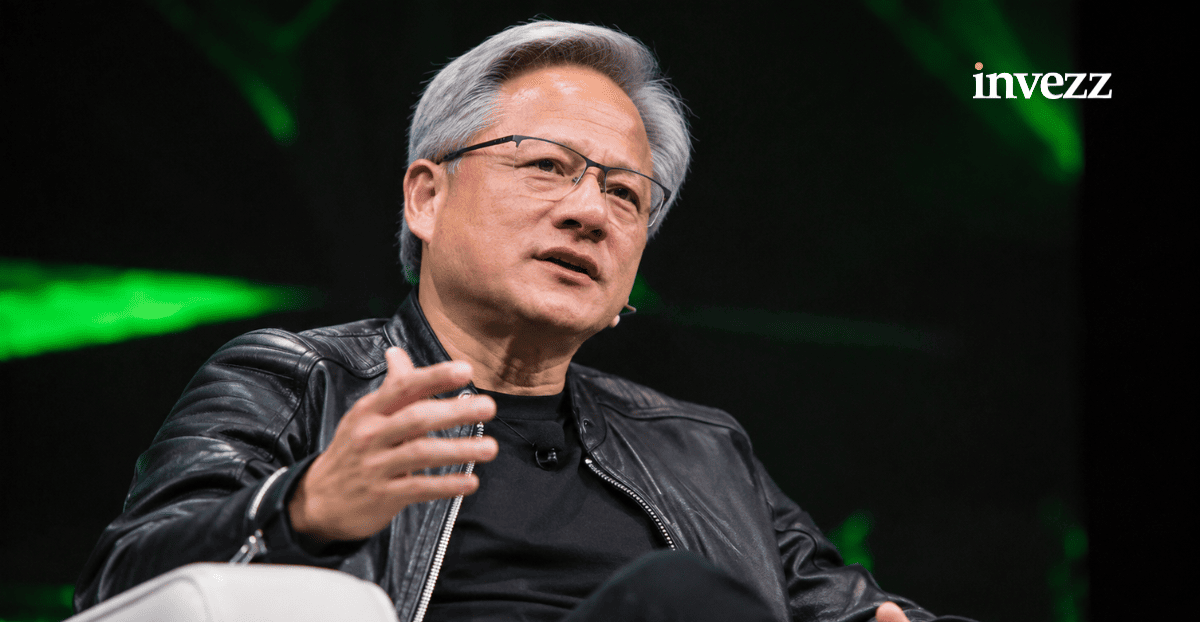
Jensen Huang, the co-founder and CEO of Nvidia, has become the most recognizable figure in the artificial intelligence boom. His company's chips power the data centers and AI models that have captured the world's attention, making him a central player in the global technology race. However, recent reports linking him to a suspected Chinese intelligence asset have cast a shadow over his rise.
From Taiwan to Silicon Valley
Born in Tainan, Taiwan, in 1963, Huang moved to the United States at age nine with his brother. After a challenging stint at a Kentucky boarding school, he studied electrical engineering at Oregon State University and later earned a master's degree from Stanford. Before founding Nvidia, he worked as a chip designer at LSI Logic and AMD.
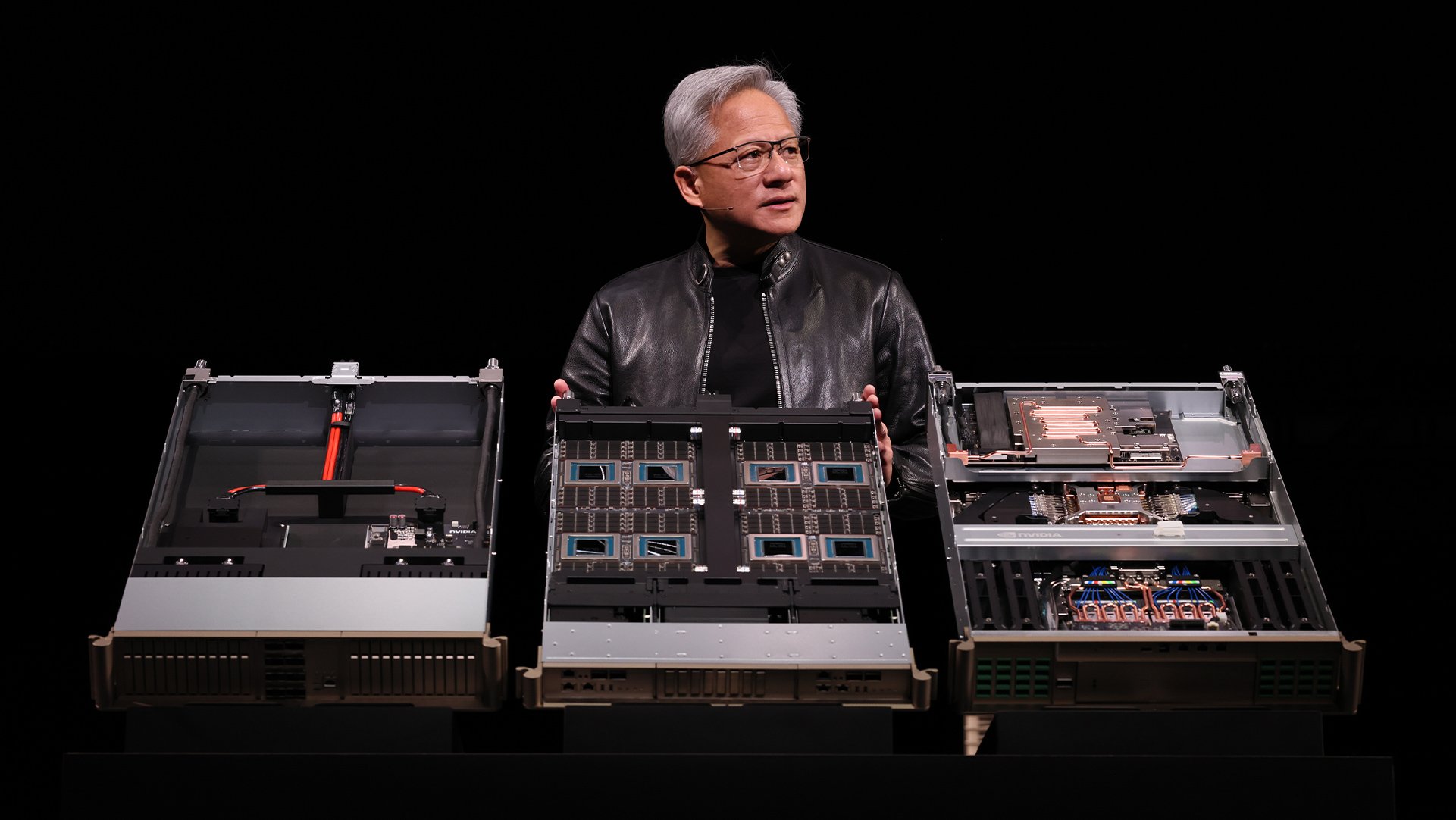
In 1993, at age 30, Huang co-founded Nvidia with Chris Malachowsky and Curtis Priem. The idea was reportedly conceived over a meal at a Denny's restaurant in San Jose, where Huang had once worked as a dishwasher and busboy. He has been the company's only CEO since its inception.
Nvidia's Evolution
For most of its history, Nvidia was known for graphics processing units (GPUs) that enhanced video game visuals. The company faced near-failure multiple times, but Huang often cites those struggles as lessons in resilience. Over the years, Nvidia quietly developed technology that would become essential for AI.
When modern AI emerged, researchers found that GPUs were exceptionally efficient at the massive calculations needed to train AI models. Nvidia's CUDA software platform gave it a competitive edge, and demand for its chips skyrocketed. Today, Nvidia supplies the infrastructure for the digital economy, and Huang has become the public face of that transformation.
The AI Race and Geopolitical Stakes
Nvidia's dominance extends beyond hardware. Its CUDA ecosystem, complete computing systems, and networking equipment create a moat that competitors find hard to replicate. This makes Nvidia a strategic asset in the US-China technology rivalry. Since 2022, Washington has restricted China's access to advanced Nvidia processors, citing national security concerns.
Huang's influence reaches into the highest levels of government and industry. He has relationships with major tech companies, chip manufacturers, and policymakers. His company has invested billions across the AI ecosystem, backing startups and infrastructure projects.
Controversy and Scrutiny
Nvidia's board announced an independent investigation after media reports alleged that Huang was the target of a foreign intelligence operation involving a Chinese businesswoman named Alice Huang. Huang acknowledged in a message to employees that he had been unfaithful to his wife and apologized to his family and colleagues. US intelligence officials have reportedly identified Alice Huang as a Chinese intelligence asset who passed commercial information to Beijing.
The controversy has drawn congressional scrutiny and could affect Nvidia's stock performance. Investors are watching closely as the investigation unfolds, with potential implications for the company's governance and its role in the AI race.
This article is for informational purposes only and does not constitute financial advice.