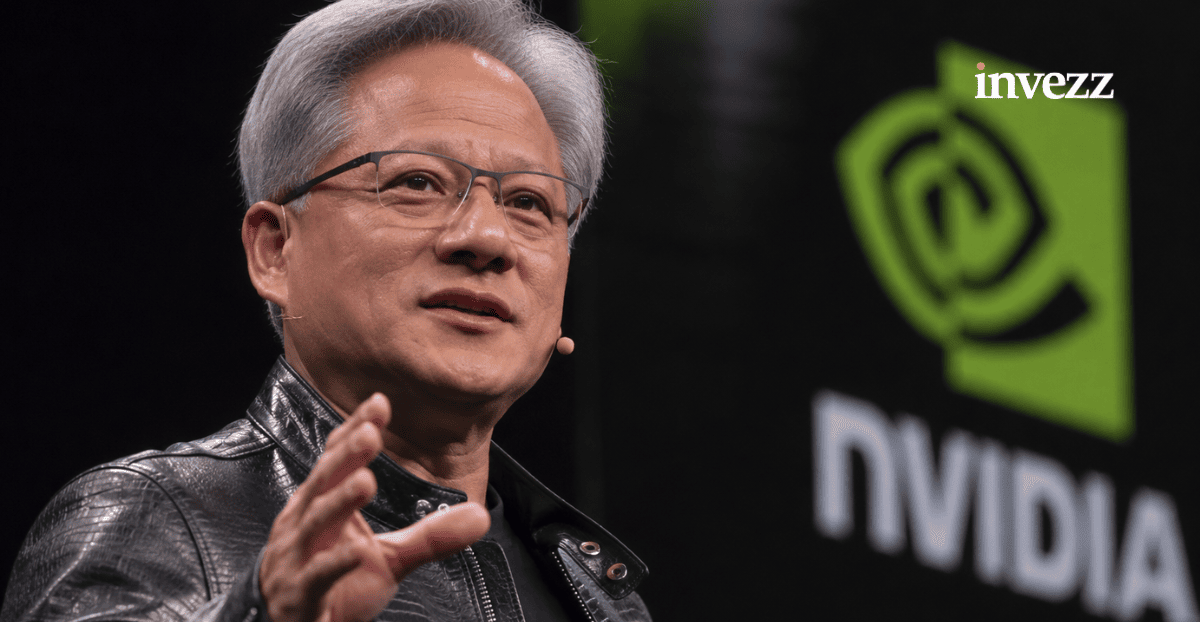
Nvidia (NASDAQ: NVDA) has faced intense scrutiny following reports that its board may investigate CEO Jensen Huang over potential security and governance concerns. The news has sparked questions about Huang's future at the AI chip giant, prompting debate over whether the company could operate without the executive widely credited with driving its rise to dominance in artificial intelligence.
Speaking on CNBC this morning, senior analyst Dan Ives dismissed the idea that Nvidia could easily replace Huang, calling such discussions a "joke." Ives left little doubt about his view of Huang's importance, describing succession talk as effectively "comedy."
Why Ives believes Jensen Huang is irreplaceable
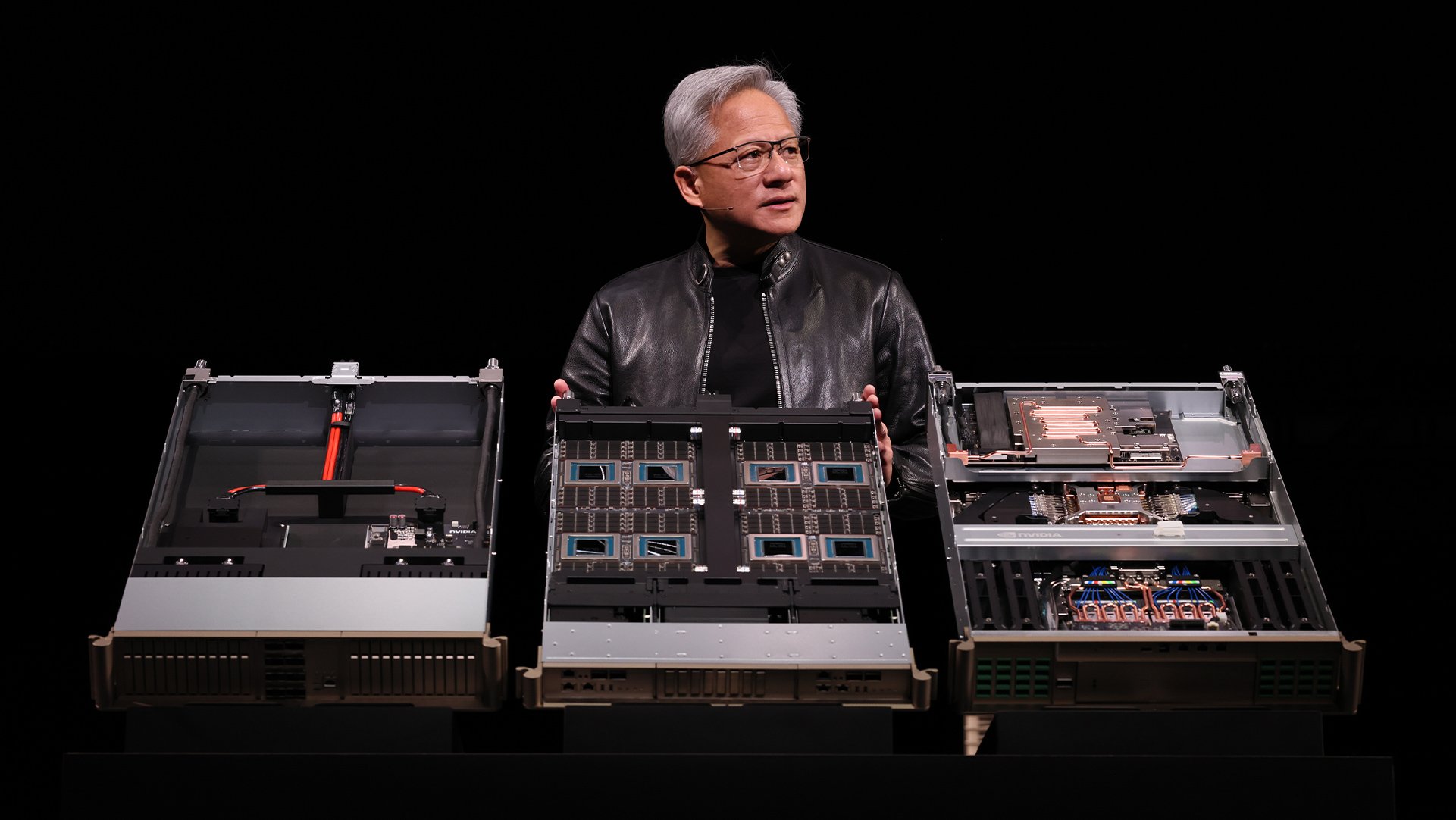
According to Ives, Huang's influence extends far beyond typical CEO responsibilities. He characterized the Nvidia founder as a strategist who identified AI's commercial potential long before many competitors recognized the opportunity. Ives called Huang a "torchbearer" for artificial intelligence and argued that he has become a global ambassador for the technology.
Ives suggested that the AI revolution itself is closely tied to decisions Huang made years ago regarding graphics processors, accelerated computing, and AI infrastructure. That central role makes succession concerns particularly difficult for investors, he said, as Nvidia is not simply managing a leadership issue but confronting questions surrounding one of the industry's most influential figures.
Leadership questions create an investor overhang
While defending Huang's value, Ives acknowledged that uncertainty itself can become a major stock-market issue. He said investor concern is less about Nvidia's products and more about the potential consequences of any ongoing investigations, reviews, or governance-related developments involving leadership.
Shareholders naturally want clarity on whether Huang will remain in his role and how prolonged scrutiny could affect Nvidia over the next 12 to 18 months, Ives noted. He emphasized that markets dislike uncertainty, particularly for a founder-led company that has been a central beneficiary of the global AI boom.
At the same time, Ives argued that Nvidia's competitive position looks unchanged. He maintained that the company remains years ahead of Chinese rivals in advanced AI chips and that its tech lead has not suddenly disappeared because of leadership-related headlines. Nevertheless, he said uncertainty surrounding management creates an "overhang" that investors will continue to monitor closely.
Regulatory scrutiny could become the bigger story
Beyond the immediate leadership debate, Ives warned that heightened regulatory and political attention could become a more significant challenge for Nvidia. He suggested that lawmakers and policymakers are likely to examine issues involving technology leadership, AI development, China-related concerns, and corporate governance more aggressively in the months ahead.
Ives said the outcome of any board-led review will be closely watched and argued that speed will matter because investors are seeking answers. He also noted that Nvidia's unique position at the center of the AI economy makes the company a natural target for both political debate and regulatory examination.
Despite those risks, Ives did not signal a deterioration in Nvidia's long-term technological standing. Instead, his comments highlighted the distinction between a company's business fundamentals and the uncertainties created by leadership controversies.
For investors, the key question is no longer whether Nvidia remains an AI powerhouse, but whether growing scrutiny surrounding its most recognizable executive can be resolved without disrupting the company's trajectory.
This article is for informational purposes only and does not constitute financial advice.