The Nikkei 225 Index extended its recovery on Monday, climbing 1.65% to reach 66,130—its highest level since late August and nearly 10% above the July trough. The advance was led by technology shares, as investors digested fresh signals from the AI sector and positioned for a busy week of economic data.
Tech rebound fuels Nikkei
Semiconductor and AI-related names powered the rally. SoftBank Group jumped 8.26%, Kioxia Holdings added 7.60%, and Tokyo Electron and Advantest each rose nearly 5%. The move mirrors a broader global rebound in memory-chip stocks, with names like Micron, SanDisk, Samsung, and SK Hynix recovering double-digit percentages from their June lows.

Market participants are also looking ahead to a wave of high-profile IPOs. Anthropic is reportedly preparing a listing that could value the AI firm at $2 trillion, with OpenAI expected to follow—SoftBank holds stakes in both. These listings are likely to intensify demand for AI-related equities, supporting the software stocks rebound seen across global markets.
Recent earnings reports have reinforced optimism that AI spending remains robust, with many companies beating estimates and raising guidance. That has helped sustain the tech-led advance in Tokyo.
Japan macro data in focus
This week brings key Japanese economic releases. On Tuesday, the Cabinet Office will publish second-quarter GDP figures. Economists forecast growth of 0.3% quarter-on-quarter and 1.1% year-on-year, driven largely by external demand amid the tech boom. Capital expenditures are expected to decline 1.2% during the quarter.
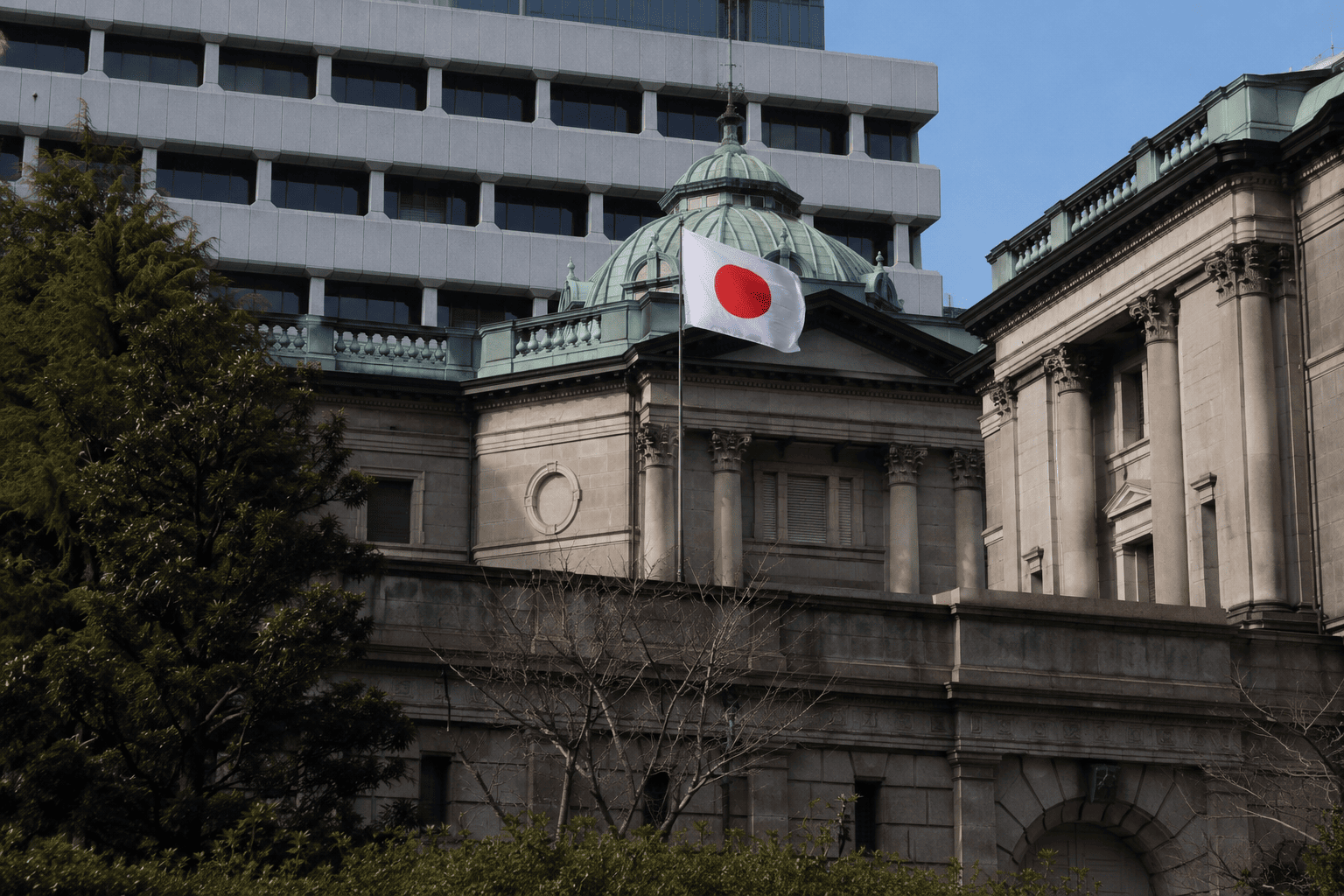
Friday’s producer price index (PPI) will be closely watched, as it feeds into the Bank of Japan’s policy calculus. The central bank is widely expected to raise its policy rate by 25 basis points next week, a move that would narrow the gap with the Federal Reserve and potentially reduce the yen’s appeal as a carry-trade funding currency.
US inflation and bond yields
The Nikkei will also react to US inflation data due Thursday and Friday. The producer price index and consumer price index are expected to show inflation still running above the Fed’s 2% target, partly due to rising gasoline and diesel costs. A hotter-than-expected reading could revive bets on further Fed tightening, especially after last week’s strong nonfarm payrolls report.
Political factors add another layer. Former President Trump has threatened to halt trade with countries running large surpluses with the US unless the Fed cuts rates. Japan’s substantial trade surplus makes it a potential target, which could weigh on exporter shares.
Meanwhile, rising bond yields continue to draw investor attention. As yields climb, some capital may rotate from equities into fixed income, a dynamic that could cap gains in the Nikkei. The interplay between yields, the yen, and global risk appetite will be central to the index’s direction this week.
For a broader view of regional markets, see how KOSPI rebounded while the Nikkei stayed flat in a recent session, highlighting the sensitivity to bond moves.
This article is for informational purposes only and does not constitute financial advice.