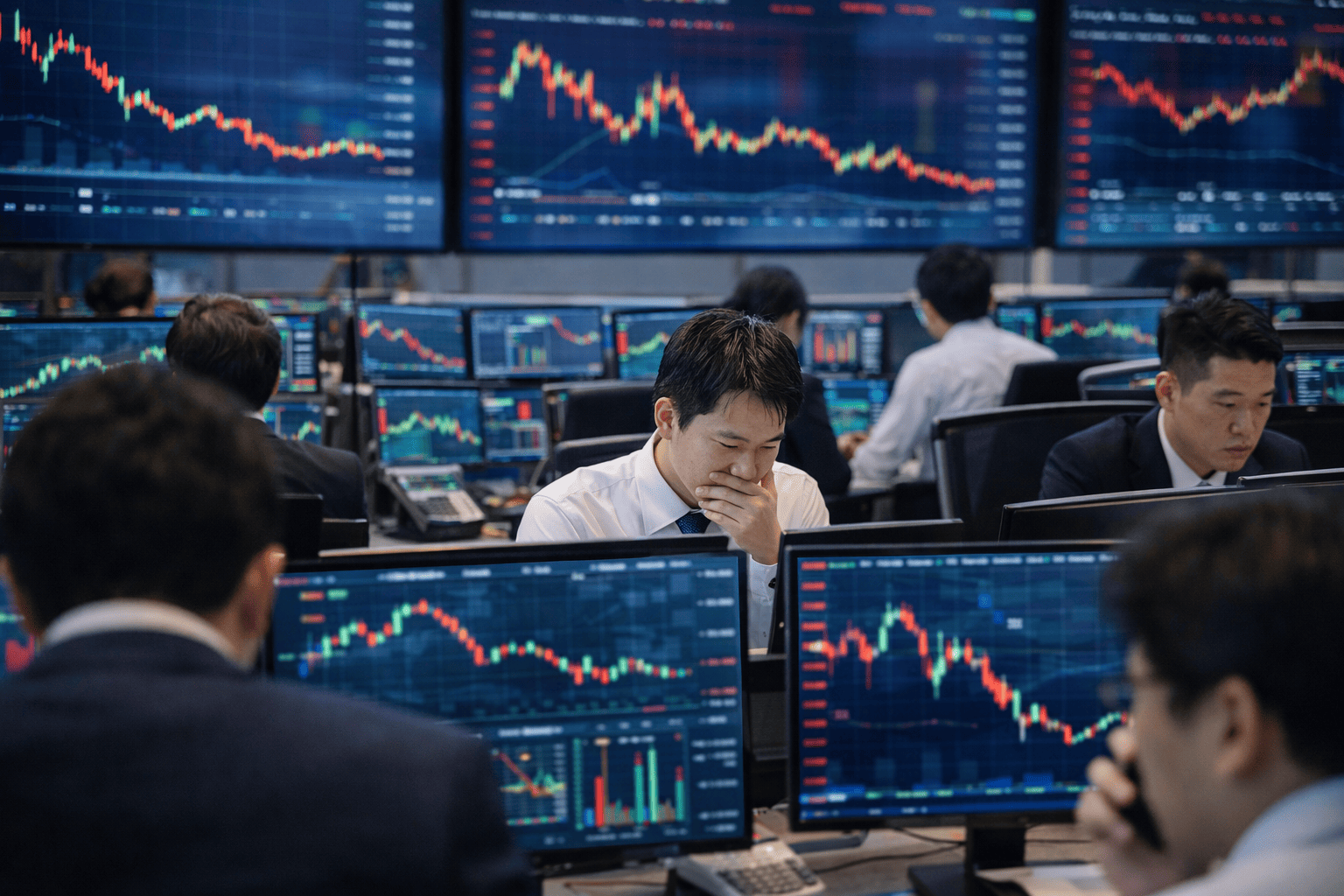
Asian equities found their footing on Thursday as a pause in the global bond selloff drew buyers back to South Korea and Japan, though the recovery remained tentative ahead of Friday's US jobs report.
The KOSPI climbed 1.4% to 6,654.76 by late morning, recovering part of Wednesday's 3.99% plunge, while Japan's Nikkei 225 edged up about 0.1% to 64,374. The broader MSCI Asia-Pacific index excluding Japan added roughly 0.5%, extending the relief across the region.
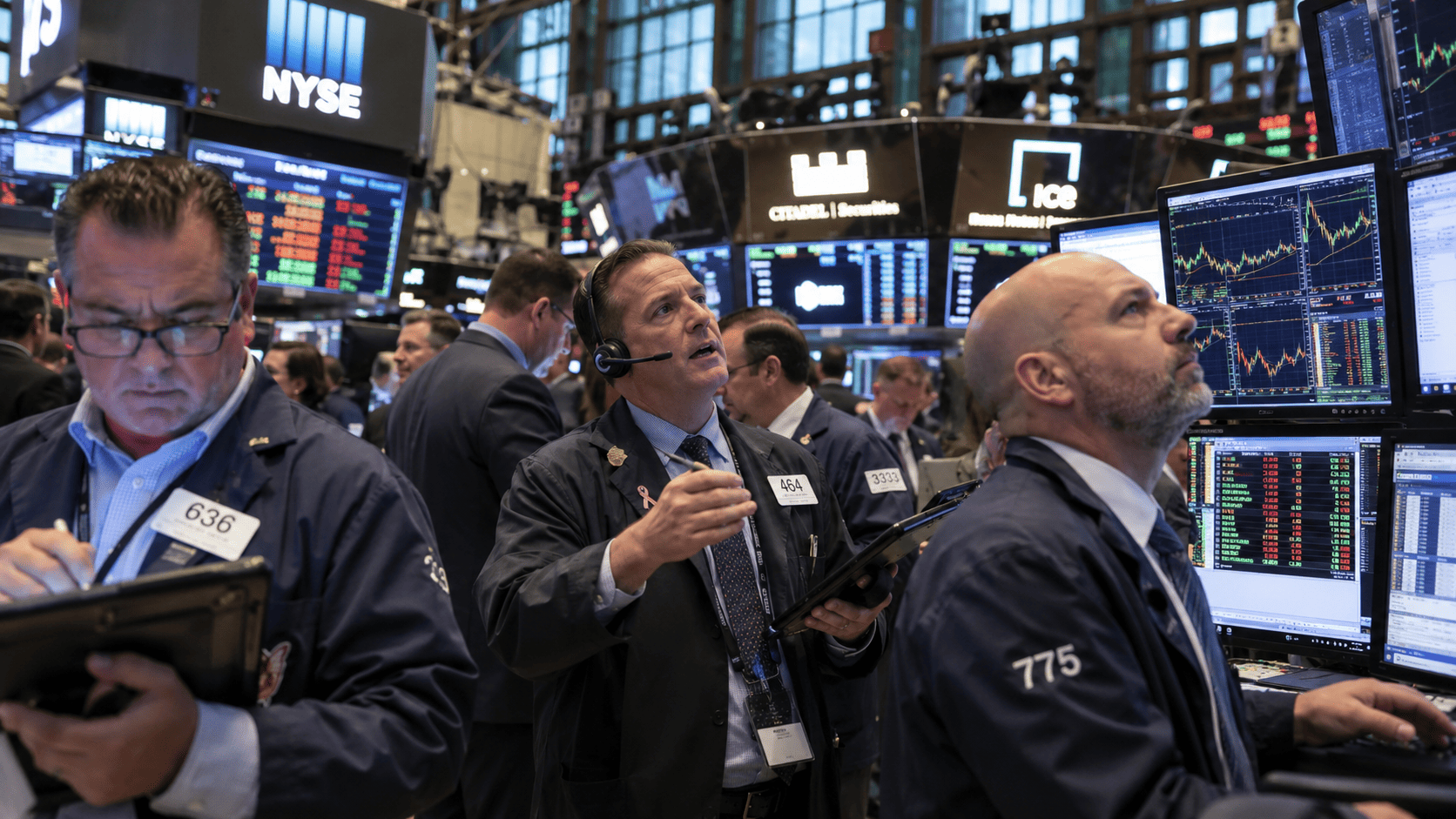
Chip heavyweights lead KOSPI rebound
South Korea spearheaded the recovery after suffering one of Asia's sharpest declines on Wednesday. Samsung Electronics advanced 1.4% and SK Hynix rose about 1%, helping the technology-heavy index bounce from a two-week low. Hyundai Motor gained 1.5%, while LG Energy Solution surged nearly 5%.
The rebound occurred despite continued foreign selling, with overseas investors offloading about 300 billion won of shares by late morning. Institutions were modest net buyers, suggesting Thursday's advance is more of a relief rally than a decisive return of foreign risk appetite.
Sentiment improved after Wall Street finished higher overnight and oil prices eased from six-week highs. The Dow gained 0.56% and the Nasdaq rose 0.45%, helping stabilise semiconductor shares after the previous session's global rates shock.
Nikkei gets relief from falling bond yields
Japan's Nikkei 225 produced a more restrained rebound as lower bond yields supported equities, but renewed Bank of Japan tightening expectations capped enthusiasm. The 10-year Japanese government bond yield fell about 4.5 basis points to 2.965%, retreating from Wednesday's multi-decade high.
Mitsubishi Corp. gained 3.6% and Nomura Holdings advanced 2.5%, leaving trading houses and financial shares among Tokyo's strongest performers. The yen also strengthened towards 158 per dollar.
UOB economists, cited by The Wall Street Journal, said recent comments from BOJ board member Hajime Takata left open the possibility of larger or back-to-back rate increases. That keeps Japanese equities caught between relief from lower market yields and the prospect of tighter official policy.
Japan's economic data reinforced that tension. The August services PMI rose to 52.5 from 51.2, its strongest reading in five months. S&P Global Market Intelligence economist Annabel Fiddes said stronger activity combined with persistent cost pressures strengthened the argument for another BOJ increase.
Payrolls will decide whether the relief rally lasts
The next test for both the KOSPI and Nikkei is Friday's US nonfarm-payrolls report. Treasury yields retreated after weaker-than-expected private-sector employment data, while New York Fed President John Williams indicated there was not yet clear evidence that another immediate rate increase was necessary. That helped calm fears of aggressive tightening.
Brent crude slipped about 0.4% to $95.21 and WTI eased to $90.74, though Middle East tensions remain a risk after the latest US-Iran strikes.
Elsewhere, Hong Kong's Hang Seng rose about 0.7%, while S&P 500 futures were roughly flat. Euro Stoxx 50, DAX and FTSE futures were also little changed to slightly lower.
For more on the recent market moves, see our coverage of KOSPI's chip-driven rebound and Nikkei's slide from its peak.
This article is for informational purposes only and does not constitute financial advice.