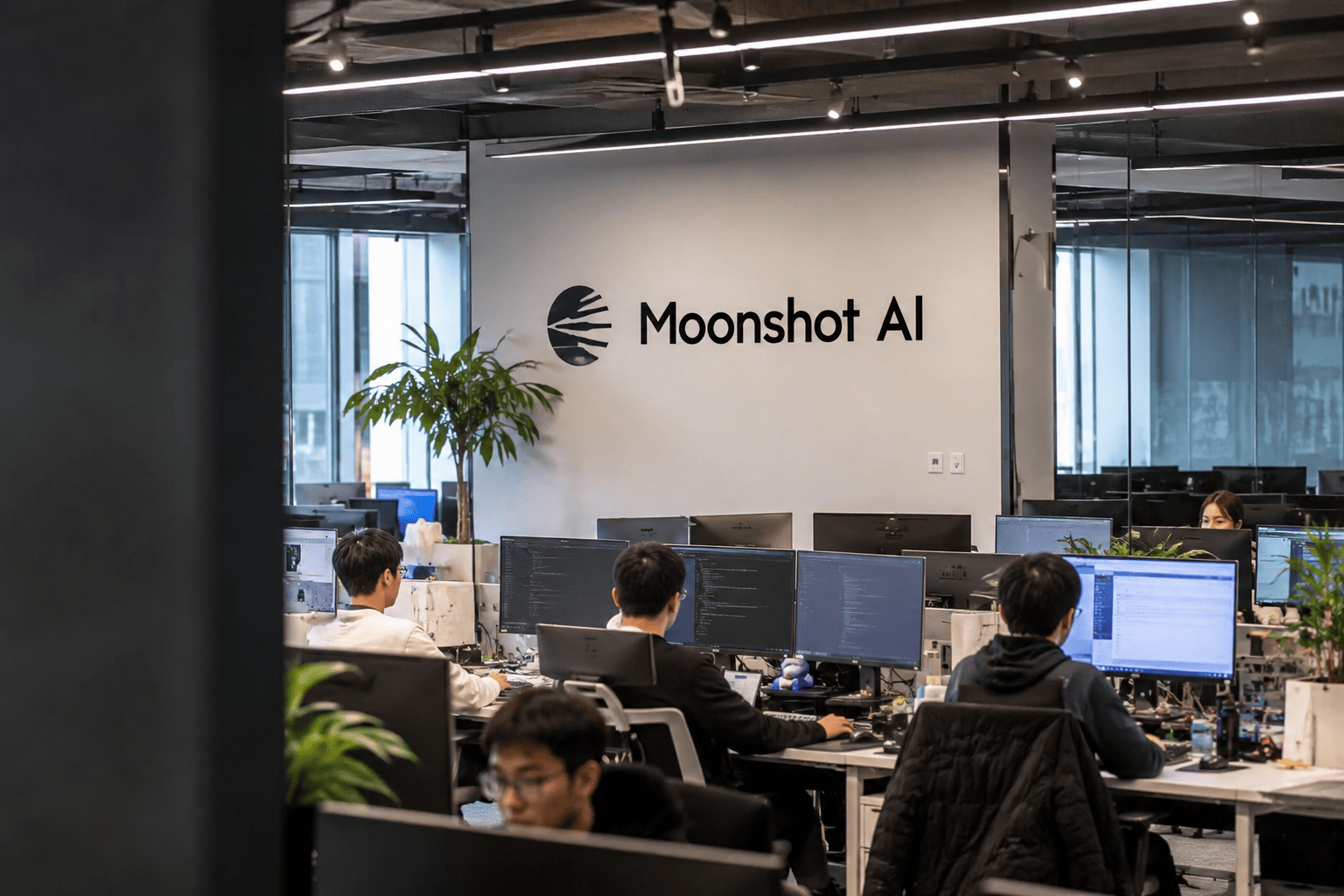
Chinese AI startup Moonshot has unveiled Kimi K3, its largest open-weight artificial intelligence model to date, boasting 2.8 trillion parameters. The company claims this makes it the first open-weight system to approach the three-trillion-parameter threshold, positioning it as a direct competitor to leading US-developed models.
Architecture and Capabilities
Kimi K3 is built on Moonshot's proprietary Kimi Delta Attention (KDA) mechanism, a hybrid linear attention design paired with Attention Residuals to boost computational efficiency. The model supports native visual understanding and a 1-million-token context window, enabling it to process extensive information in a single prompt. Moonshot targets frontier applications including long-horizon coding, complex reasoning, and knowledge-intensive tasks.

Performance Benchmarks
In internal tests, Kimi K3 delivered competitive results against Anthropic's Fable 5 model and significantly outperformed Anthropic's Opus 4.8, GPT 5.6 Sol, and GPT 5.5 in GPU kernel optimization—a technique that maximizes hardware utilization while reducing latency. Third-party evaluations from Vals AI placed Kimi K3 second overall behind Fable 5, while Artificial Analysis reported performance comparable to OpenAI's GPT-5.5 and Anthropic's Claude Opus 4.8 on complex, multi-step tasks.
Open-Weight Model Implications
Unlike proprietary closed-source systems, open-weight models allow developers and businesses to download, run, and customize the underlying AI. This flexibility reduces reliance on cloud-based proprietary services, giving enterprises greater control over deployment. Moonshot's move underscores a broader trend in China's AI ecosystem toward open-source innovation.
Market Impact and Competitive Landscape
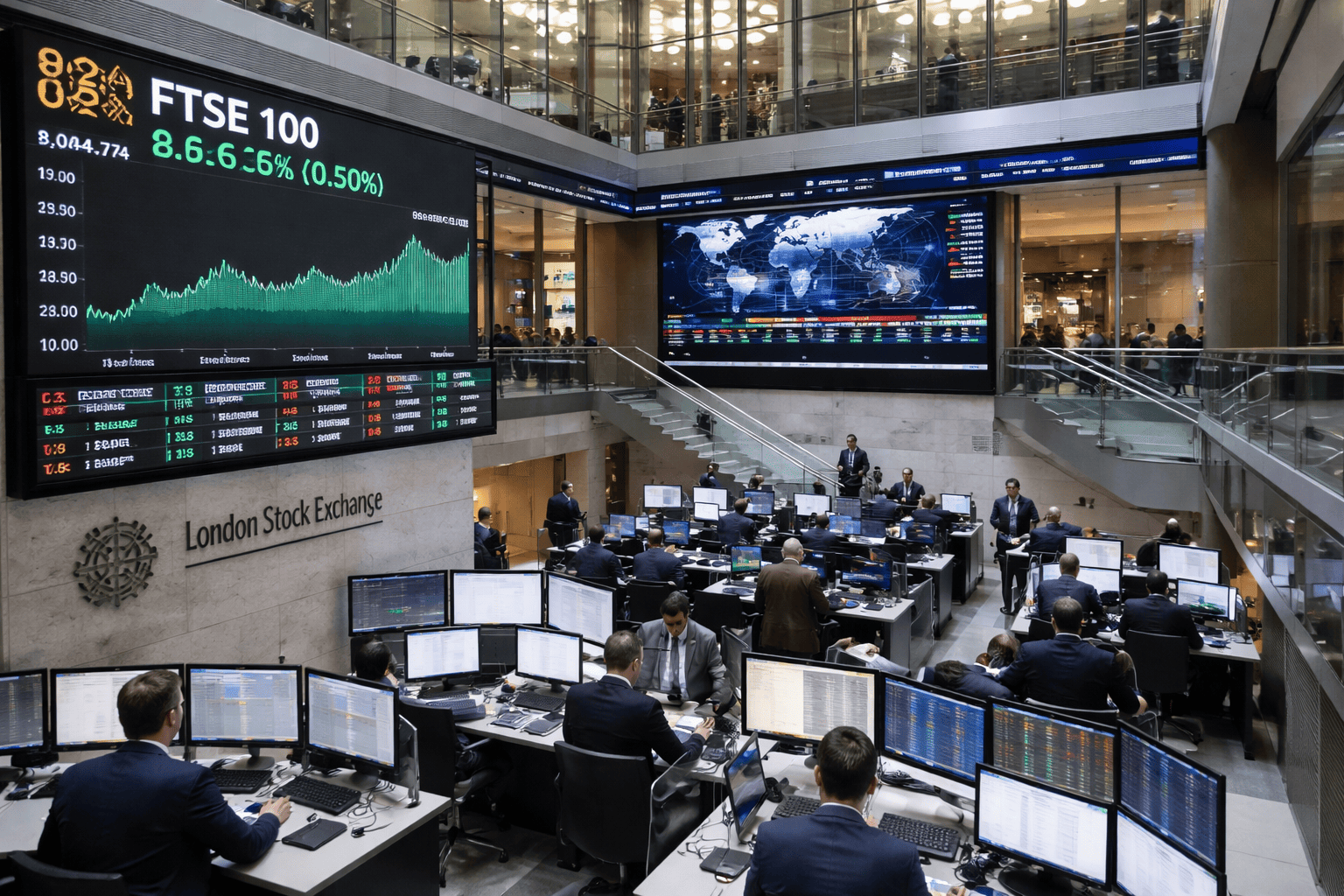
The launch intensifies competition among Chinese AI developers, including Z.ai and MiniMax, which have been rapidly releasing powerful models while cutting deployment costs. Following the announcement, shares of domestic rivals Zhipu and MiniMax fell sharply in Hong Kong, dropping 27.7% and 16.5%, respectively, before market close. Moonshot, backed by Alibaba and Tencent, is reportedly seeking $2 billion in fresh funding at a valuation of about $30 billion ahead of a potential Hong Kong listing, as previously reported by Bloomberg.
This development comes amid a broader acceleration in Chinese AI model releases, narrowing the gap with US leaders. For context, recent tokenized stock listings on exchanges like MEXC have also targeted AI data center supply chains, reflecting the sector's growing financial integration. See MEXC Lists Five Ondo Tokenized Stocks Targeting AI Data Center Supply Chain for more on this trend.
Investor Considerations
While Kimi K3's technical achievements are notable, investors should monitor the competitive dynamics and regulatory environment. The rapid pace of model releases could lead to market saturation or pricing pressures. Additionally, the open-weight nature of Kimi K3 may raise intellectual property concerns, though it also fosters broader adoption. For a look at how similar dynamics play out in crypto markets, see MemeCore Surges 670% from Lows, but Insider Risks and Thin Liquidity Cloud Rally.
Moonshot's push into frontier AI models signals a significant step for China's AI industry, challenging the perception that domestic developers lag their US counterparts. However, the mixed investor reaction suggests caution amid high expectations and intense competition.
This article is for informational purposes only and does not constitute financial advice.