Memory chips have become the dominant force in the semiconductor industry, driven by the artificial intelligence boom and surging demand for data-center hardware. According to Susquehanna analyst Mehdi Hosseini, memory now accounts for 50% to 55% of total semiconductor revenue, up from a historical range of 20% to 30%. This shift underscores the pivotal role memory plays in the current growth cycle.
Price surge ahead
Hosseini projects that DRAM prices will rise 50% sequentially in the current quarter, followed by another 20% increase in the fourth quarter of 2026. NAND flash memory prices are expected to climb even more sharply, with a 60% sequential increase this quarter and a further 25% rise in the following quarter. These increases are driven by severe supply shortages as AI data centers consume vast amounts of memory and storage.

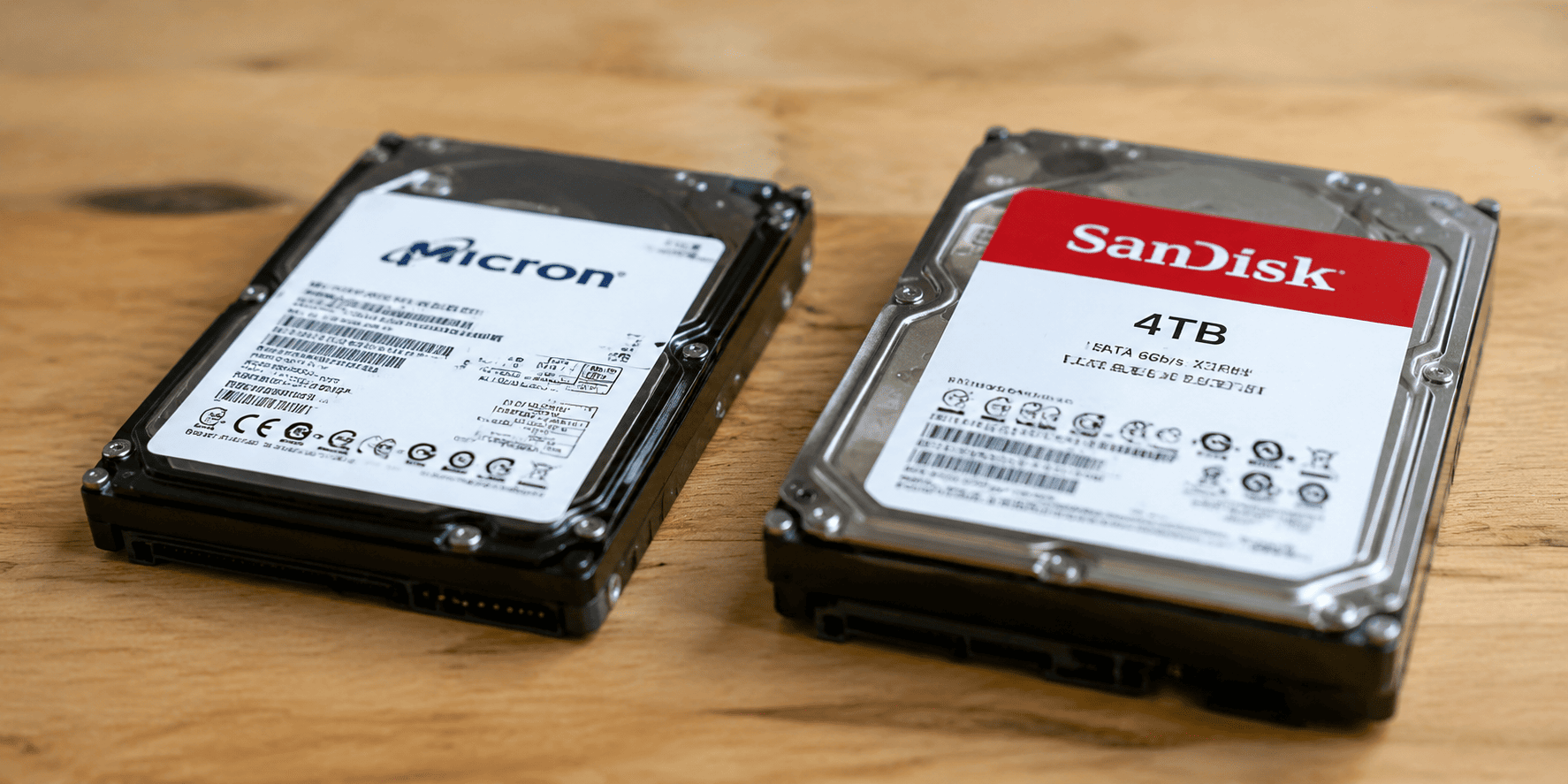
The price surge is a significant tailwind for memory manufacturers like Micron and SanDisk, which have historically faced volatile demand and oversupply. Micron shares have gained about 250% this year, while SanDisk has surged 531%, reflecting investor optimism about the memory shortage.
Technical breakout
Goldman Sachs has identified early signs that investor interest in the memory trade is returning after a quieter summer. The firm notes that Micron and SanDisk are beginning to break out of downtrends that had constrained their shares. This comes as positioning in the broader AI trade remains subdued, with gross leverage among US fundamental long/short hedge funds at the 27th percentile of the past year and net leverage at just the fourth percentile.
Options activity has also eased, with the CBOE Semiconductor ETF Volatility Index falling to around 36 from roughly 65 in July, indicating lower expected swings in semiconductor stocks. This combination could allow investors who reduced exposure during the summer to rebuild positions if AI-related memory demand persists.
HBM adds pressure
High-bandwidth memory (HBM) is a critical segment, increasingly essential for AI accelerators. Micron is reportedly targeting a doubling of its HBM production capacity by year-end, according to South Korean outlet Electronic Times. HBM stacks multiple DRAM layers to provide high-speed data access required by AI processors like Nvidia's. The production process is more silicon-intensive, which can constrain supplies of traditional DRAM and contribute to the overall tightening of the memory market.
Logic chips stabilize
While memory leads the charge, logic chips such as CPUs have also seen average selling prices rise. However, Hosseini notes that recent trends suggest a period of stabilization, partly due to delays in Nvidia's next-generation Rubin AI platform. Despite higher upfront hardware costs, Hosseini argues that falling token prices and rising token production support the economic value proposition of AI at scale.
Earnings test ahead
Despite the strength of the memory trade, the industry remains highly cyclical. Memory companies can benefit when demand exceeds supply, but production increases can eventually reverse the balance. Consumer spending and broader electronics demand can shift quickly, making the recent technical strength in Micron and SanDisk only part of the story. For Micron, the next major test will come with its earnings report, which will provide insight into whether the memory rally is sustainable.
Investors are also watching Micron's momentum ahead of earnings, with analysts seeing 27% upside. Meanwhile, SanDisk's 500% surge has been fueled by long-term deals and AI memory bets. The broader market is also reacting to Dell's $95B backlog, which signals robust AI memory demand.
This article is for informational purposes only and does not constitute financial advice.