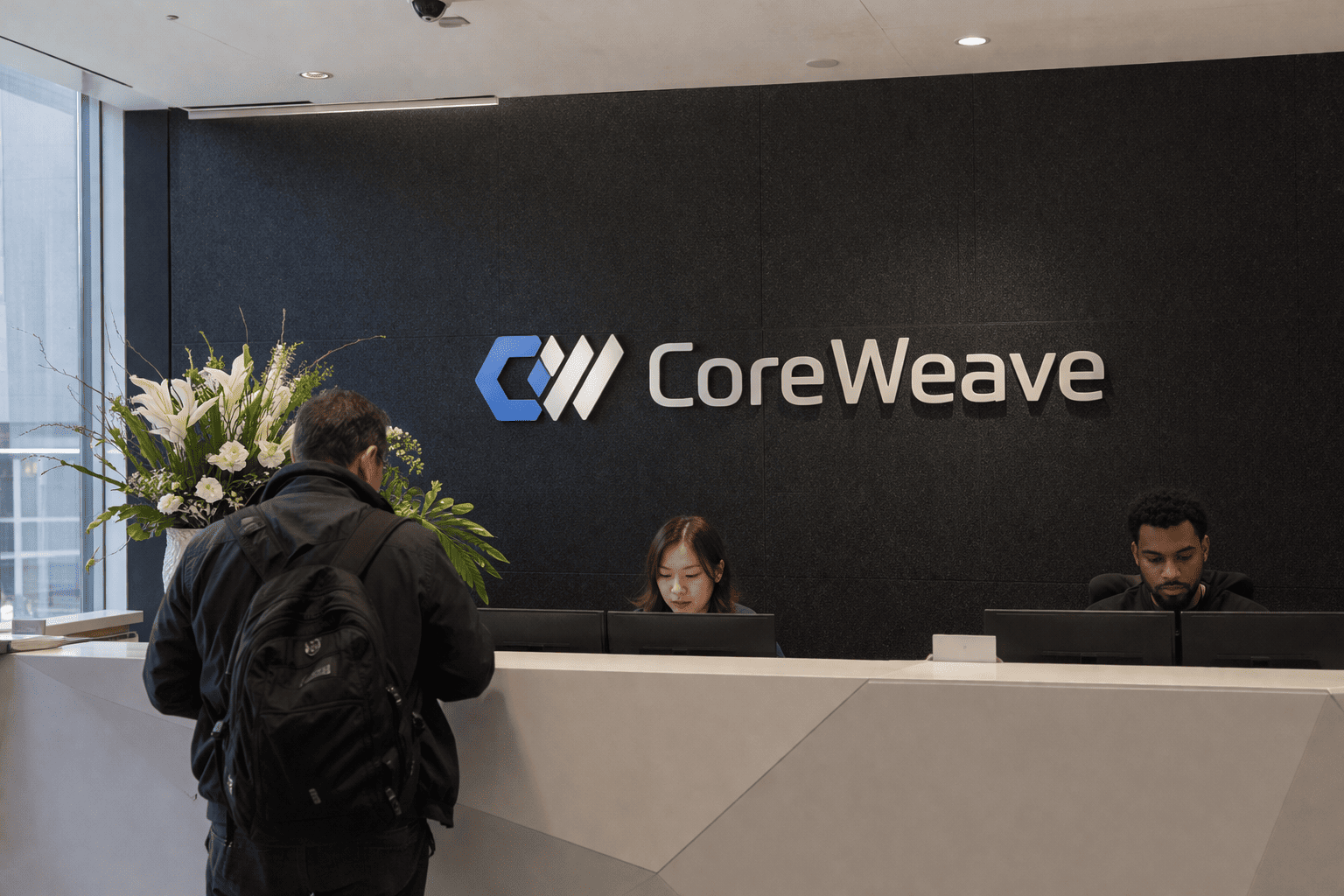
CoreWeave (CRWV) shares surged 16% on Tuesday, propelled by OpenAI's unveiling of its new Astra model, which reinforced the robust demand for AI cloud infrastructure. The company, which has a $22.4 billion contract with OpenAI to supply computing power, is benefiting from a wave of contracted demand that is reshaping its business model.
Strong quarterly results and raised guidance
Last month, CoreWeave reported second-quarter 2026 revenue of $2.58 billion, up 112% year over year and ahead of Wall Street expectations. The company's revenue backlog stood at approximately $104 billion, with more than $25 billion in new customer commitments added in the early weeks of the third quarter. Management raised its full-year 2026 revenue guidance to between $12.4 billion and $13.2 billion, reflecting the scale of demand for AI computing infrastructure.
CoreWeave expects its annualized recurring revenue (ARR) to reach approximately $250 million by year-end, and forecasts 2027 ARR of $18.5 billion to $19.5 billion. The company's shift toward long-term, take-or-pay style contracts—rather than speculative GPU capacity sales—has provided greater revenue visibility and contract durability, according to a Seeking Alpha analysis.
Contracted power capacity offers upside
One key factor highlighted by analysts is CoreWeave's unused contracted power capacity. Only 36% of its contracted power is currently active, leaving significant room for future revenue as additional capacity is energized. This potential, combined with a contracted order book more than 10 times its current annual revenue, has led Seeking Alpha to rate the stock a buy with 15%-20% upside, while acknowledging it as the highest-risk name in its model due to leverage and execution risks.
Analyst sentiment remains positive
Following the quarterly results, Truist Securities raised its price target on CRWV to $165 from $155, citing potential margin upside from improved pricing and contract structures. Oppenheimer maintained its Outperform rating with a $150 price target, arguing that supply concerns were overblown compared with demand, which was described as running at roughly four times available capacity.
Billionaire investor David Tepper is also increasing exposure to AI-related companies. Appaloosa Management's portfolio includes Amazon, Micron Technology, Taiwan Semiconductor Manufacturing, and Alphabet, with those four companies accounting for roughly half of the portfolio. During the second quarter, Appaloosa added both Space Exploration Technologies and CoreWeave to its holdings.
Risks and outlook
While CoreWeave's transition toward contracted AI infrastructure demand provides greater visibility, the company remains exposed to leverage and execution risks. The balance between expanding capacity, converting contracted power into active infrastructure, and improving margins will remain critical to its outlook. Investors should monitor these factors as the company continues to scale.
This article is for informational purposes only and does not constitute financial advice.