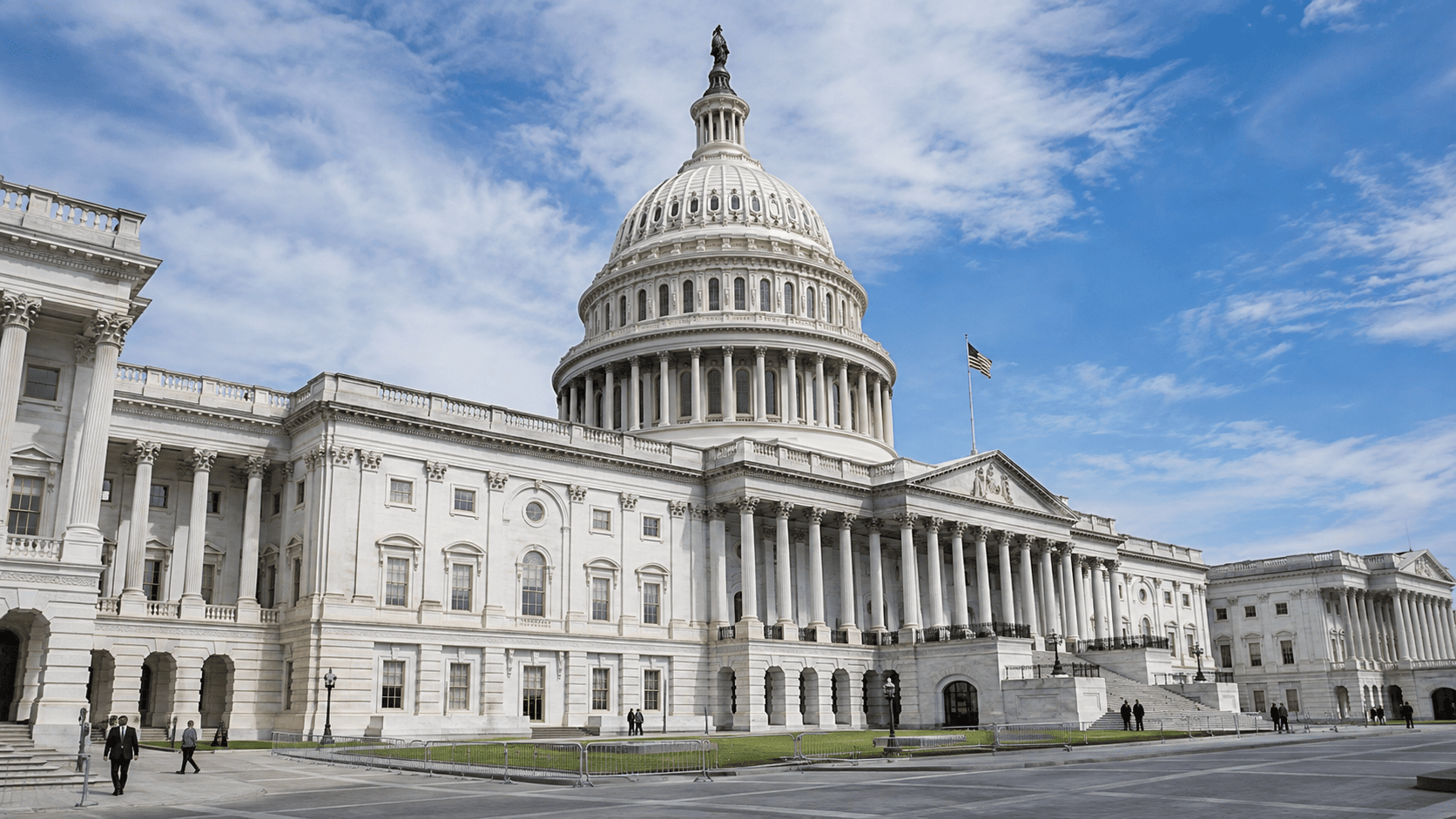
As Americans head to the polls, the balance of power in Congress hangs in the balance, with implications for healthcare policy, energy incentives, and federal spending. For investors, the key is to identify companies whose earnings could be swayed by a shift in Washington's priorities.
A Democratic victory would grant the party greater negotiating leverage and oversight authority, though President Donald Trump's veto power would limit sweeping legislative changes. This dynamic creates a nuanced environment where some sectors may benefit from policy protection, while others face heightened scrutiny.

HCA Healthcare: Coverage as a Catalyst
HCA Healthcare's recent financial results highlight the stakes. The hospital operator estimated that a rise in uninsured patients, largely due to losses of exchange coverage, reduced third-quarter pretax income by approximately $400 million. Despite this, revenue grew 3.6% to $19.85 billion, and same-facility admissions increased 2.7%.
This combination supports the bullish case: patient demand is robust, but collecting payment remains a challenge. Democrats could push for concessions on Medicaid cuts during fiscal negotiations, and Jefferies has flagged HCA among hospital operators with election-related upside. While such concessions are uncertain, preserving coverage could improve the economics of care HCA already provides.
The investment thesis rests on an existing business gaining relief from a measurable earnings headwind. Investors should monitor uninsured volumes and reimbursement developments to gauge whether election optimism translates into better profitability.
First Solar: Policy Protection Has Value
First Solar offers exposure to a potential improvement in clean-energy sentiment. A strong Democratic showing could bolster expectations that federal support for renewable development will be protected, according to analysts cited by Reuters. The company's fundamentals support this view: it ended September with a 44-gigawatt contracted sales backlog and $1.5 billion in net cash.
Its updated annual outlook assumes between $2.07 billion and $2.19 billion in Section 45X manufacturing tax credits, underscoring the financial significance of federal policy. However, the company also lowered its 2026 sales forecast to $4.6 billion–$4.9 billion, making execution essential.
Democratic gains could reduce perceived policy risk, but investors still need evidence that First Solar can convert contracted demand into shipments and cash. The buying thesis combines financial resources with potential policy protection; it does not require assuming Congress will deliver fresh subsidies.
GEO Group: Expansion Expectations Face a Political Test
GEO Group's operating momentum makes this the most debatable call. Its latest reported quarter showed revenue rising 15% to $732.1 million, with management attributing growth to contracts secured during 2025. The bearish argument concerns how investors value future expansion.
Democratic control could bring investigations, hearings, and resistance to future detention budgets, potentially making additional growth more politically contentious. That is a risk to expectations rather than evidence that current revenue will collapse. Previously approved funding and executive-branch contracting authority provide meaningful support for the business.
For shareholders, trimming exposure looks more defensible than assuming an immediate earnings reversal. GEO reports Q3 results before the market opens on November 5, providing a near-term test of contract momentum.
This article is for informational purposes only and does not constitute financial advice.