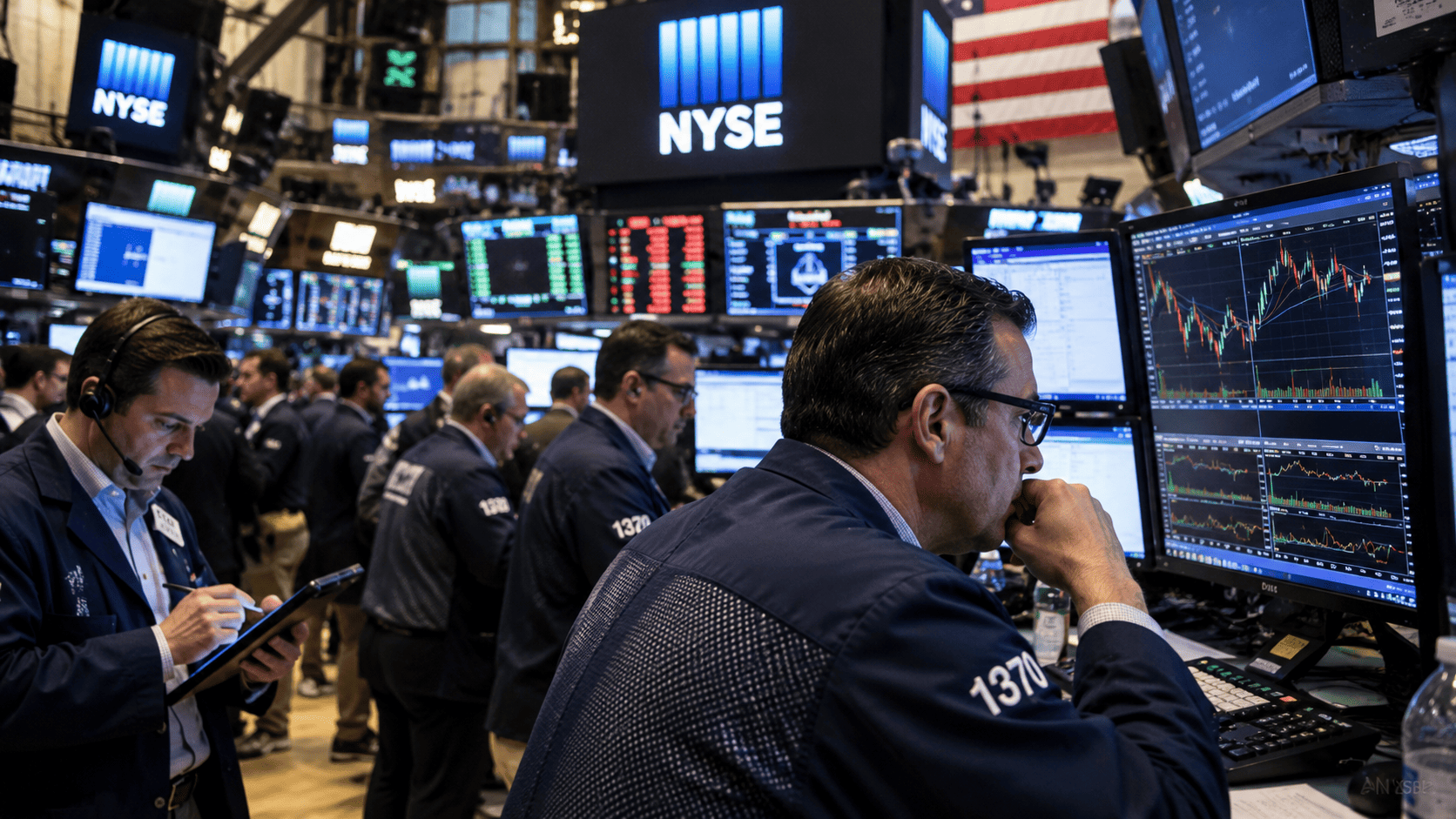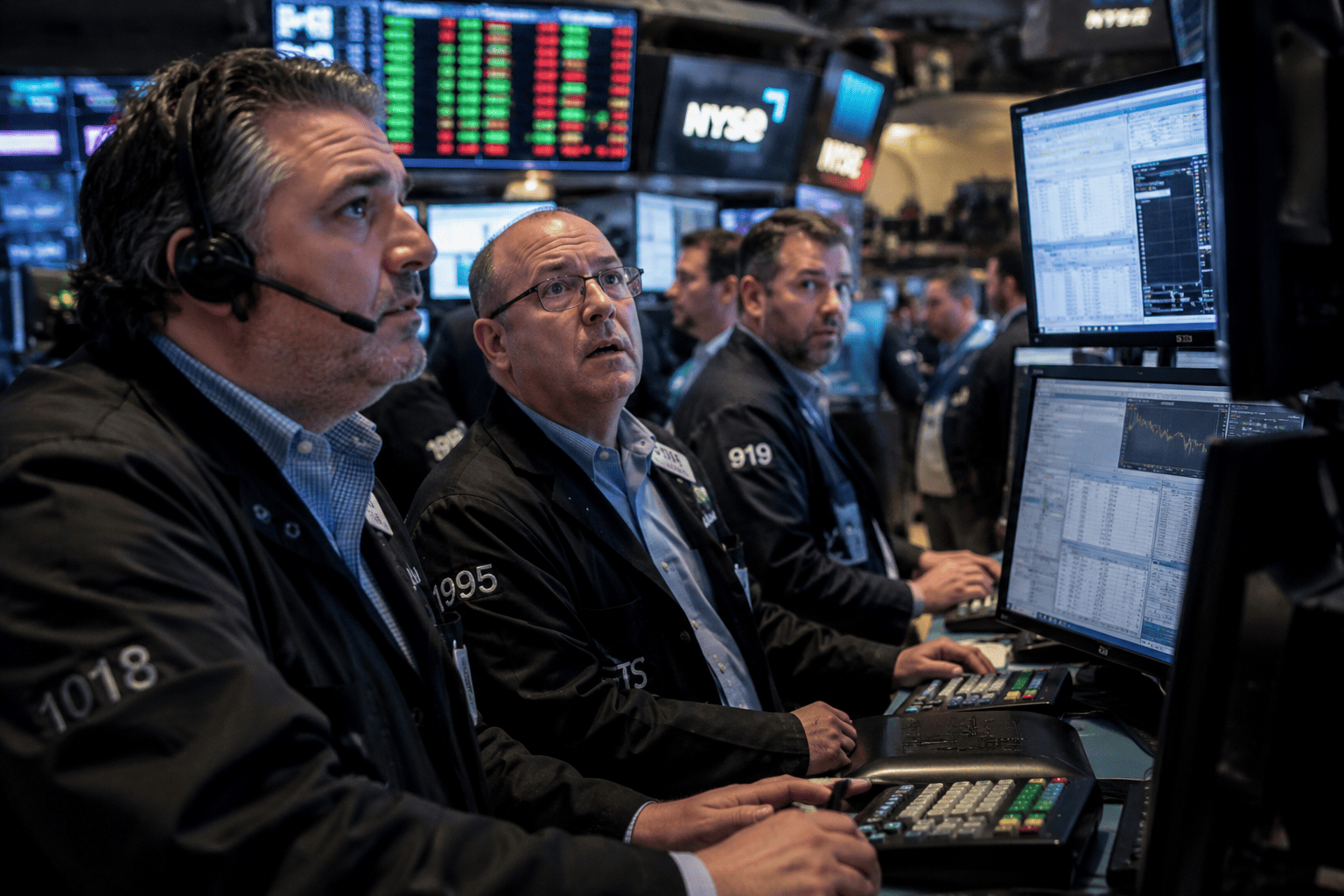
US equities closed lower on Monday, snapping a recent winning streak, as fresh military clashes between the United States and Iran drove crude prices higher and rekindled worries about inflation and the Federal Reserve's next policy move. The Dow Jones Industrial Average dropped 380.22 points, or 0.71%, to 53,179.77. The S&P 500 slipped 0.36% to 7,684.37, while the Nasdaq Composite eased 0.16% to 26,360.91.
The sell-off came as investors braced for the end of a volatile August. Despite Monday's decline, all three major benchmarks still finished the month in positive territory, with the Dow up more than 1% for its fifth consecutive monthly gain, while the S&P 500 and Nasdaq advanced roughly 2% and 3%, respectively.
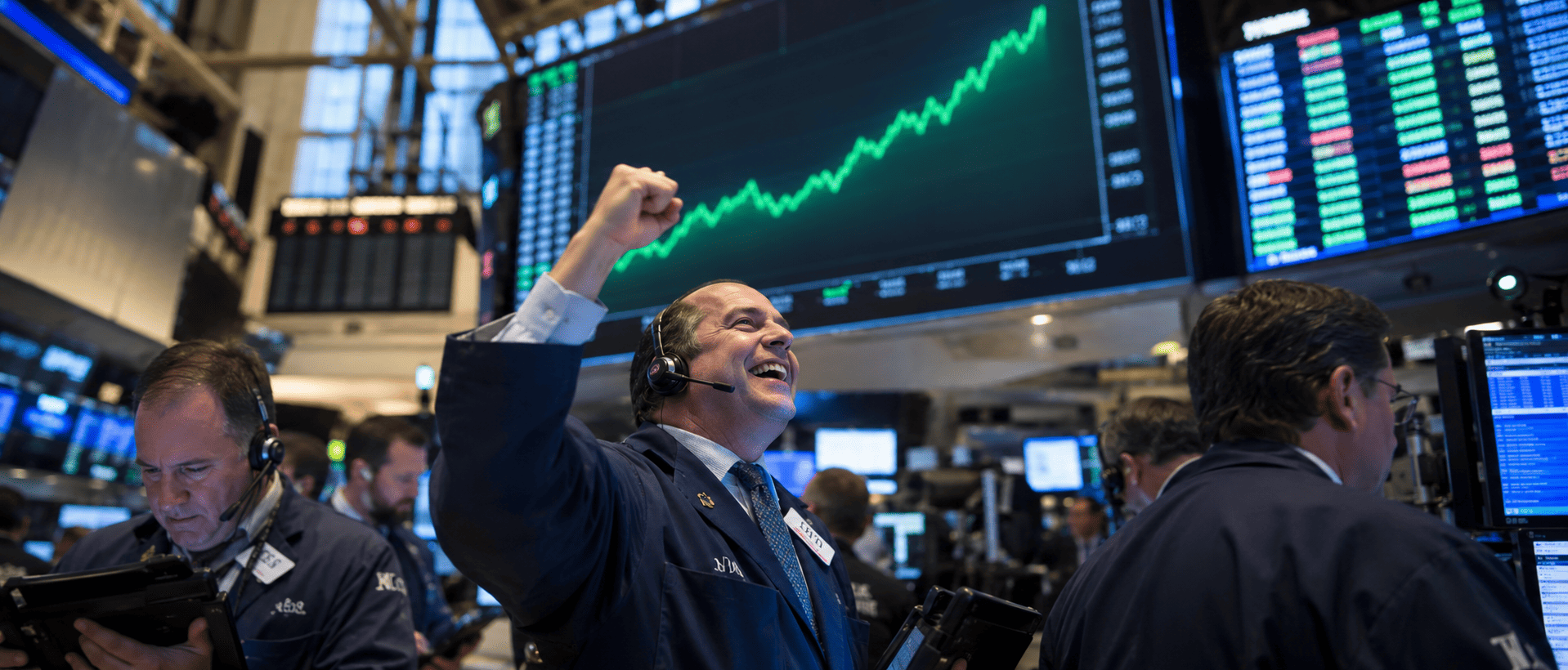
Oil climbs as US-Iran tensions escalate
US Central Command confirmed that American forces struck two rocket launchers on Iran's Larak Island on Sunday, marking the first publicly acknowledged US attack on Iranian positions since late July. In response, Iranian state media reported that Tehran launched attacks on US bases in Jordan. The renewed hostilities raised concerns about potential disruptions to oil shipments through the Strait of Hormuz, a critical chokepoint for global crude flows.
West Texas Intermediate crude rose nearly 3% to $85.76 a barrel, while Brent crude gained almost 3% to $90.49. Energy stocks benefited from the price surge, with Halliburton and Valero Energy advancing and the S&P 500 energy sector posting solid gains. The spike in oil also pushed longer-dated Treasury yields higher, adding pressure on equities as investors weighed the potential for sustained energy costs to feed into broader inflation.
Rate hike bets firm up
Market expectations for a September rate increase have risen following Federal Reserve Chair Kevin Warsh's hawkish remarks at the Jackson Hole symposium. Warsh noted that recent inflation readings, while better than expected, had not shown a meaningful improvement in underlying trends. His comments came after mixed economic data: July consumer inflation was relatively mild, but the Personal Consumption Expenditures price index came in hotter than anticipated.
According to the CME FedWatch tool, financial markets are now pricing in more than a 65% probability of a 25-basis-point rate hike at the end of September. Investors will get more clarity this week with the release of the August employment report on Friday, along with manufacturing and services data, which could offer further clues about the economy and the Fed's policy trajectory.
August ends with gains despite turbulence
Despite Monday's decline, the major indexes closed August higher, led by technology stocks. The S&P 500 technology sector rose nearly 6% for the month, with Nvidia climbing more than 9%, Microsoft gaining 10%, and Micron Technology jumping 15%. The month was marked by volatility as inflation concerns pushed Treasury yields to multi-year highs, even as the Treasury Department announced plans to increase debt repurchases.
In other corporate news, GameStop shares rose after the company said it would use cash to fund about 27% of a previously announced $1.4 billion debt exchange, avoiding further share dilution. Meanwhile, investors continue to monitor geopolitical developments and their impact on energy markets, as oil prices remain sensitive to Iran tensions.
The latest escalation comes amid broader concerns about the global economy, with core PCE staying sticky at 3.3%, signaling persistent inflation pressures. As the week unfolds, traders will be watching for any further developments in the Middle East and the upcoming jobs report, which could shape the Fed's decision-making.
This article is for informational purposes only and does not constitute financial advice.