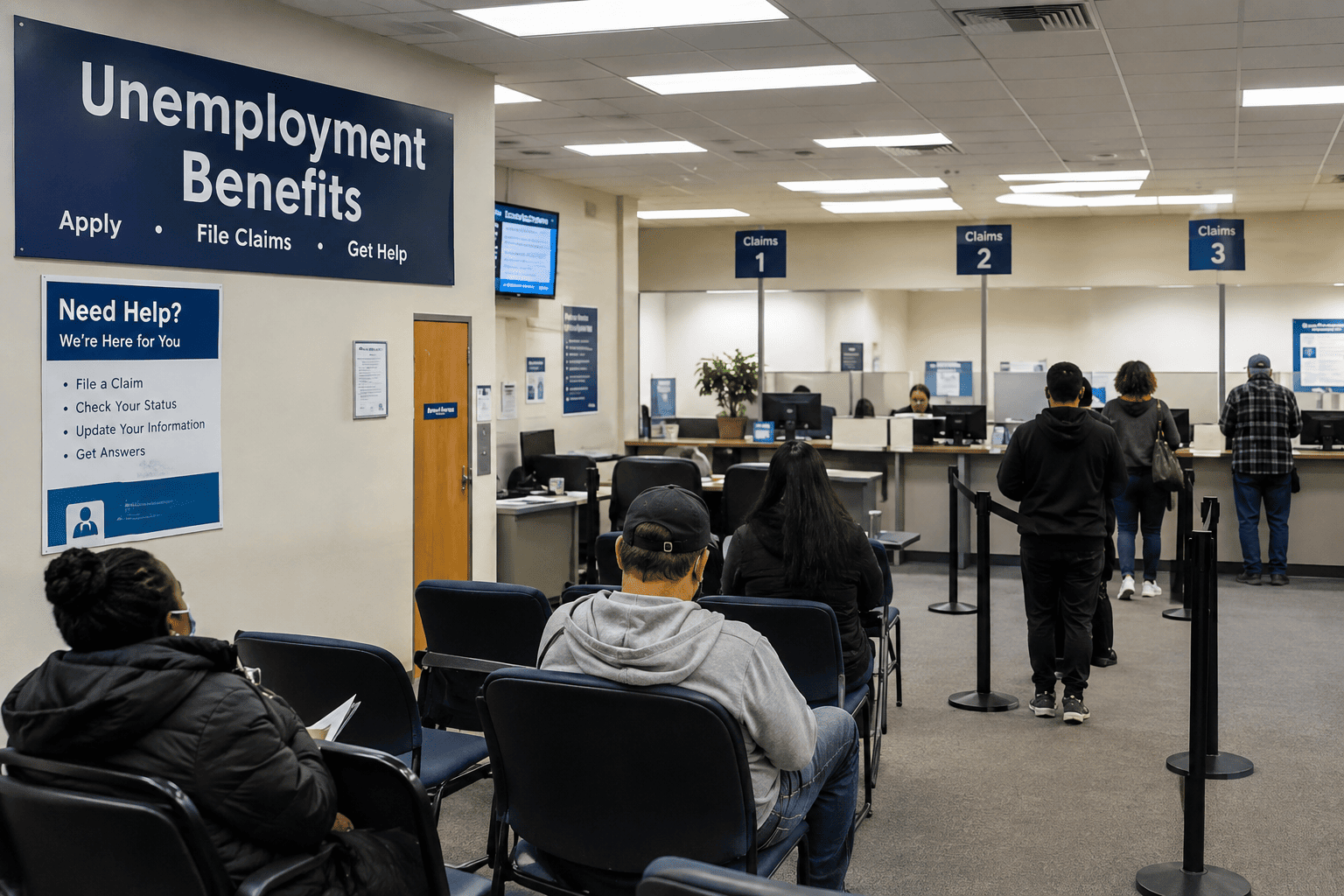
The Federal Reserve's preferred inflation gauge, the core Personal Consumption Expenditures (PCE) index, came in at 3.3% year-over-year for July, unchanged from the prior month and in line with consensus forecasts. While the flat reading offers some relief, the metric has now remained above the central bank's 2% target for over five years, and the trend is slightly upward, having risen from 2.6% in April of last year.
This persistence stands in contrast to the more widely followed core Consumer Price Index (CPI), which cooled to 2.5% last month, matching the lowest readings since April 2021. The softer CPI print had fueled investor optimism, leading to a reduction in market expectations for further rate hikes through year-end. However, the divergence between the two measures underscores the complexity of the Fed's task.
Adding to the concern is the Producer Price Index (PPI), which tracks wholesale inflation and is often seen as a leading indicator for consumer prices. Core PPI, excluding food and energy, rose to 4.2% in July, down from its April peak but still at an elevated level. Rising wholesale costs typically translate into either higher consumer prices or compressed corporate margins, both of which pose headwinds for the broader economy and equity markets.
The inflation data has not gone unnoticed within the Federal Reserve. At the July Federal Open Market Committee (FOMC) meeting, three of twelve members cited rising inflationary pressures as their rationale for voting in favor of a 25-basis-point rate hike. This internal dissent highlights the growing unease among policymakers about the durability of price pressures.
Yet, the economic backdrop is increasingly mixed. Recent data points, including two consecutive weak Non-Farm Payroll reports, a disappointing Retail Sales figure, and uneven quarterly earnings from major retailers, suggest that consumer demand is softening. Notably, Walmart reported its slowest quarterly sales growth in six years, while other retailers indicated that higher-income households continue to spend, but lower-income consumers are showing signs of strain.
This weakening demand complicates the Fed's decision-making. Raising borrowing costs further to combat inflation could exacerbate the slowdown, while holding rates steady risks allowing inflation to become entrenched. The upcoming Jackson Hole Economic Symposium, where Fed Chair Kevin Warsh is scheduled to deliver the keynote address on August 28, is now the focal point for investors seeking clarity on the central bank's next move.
Warsh, who replaced Jerome Powell in May, has been critical of the Fed's reliance on core PCE and has favored a trimmed version of CPI. He has also moved to reduce the Fed's forward guidance, making it harder for markets to anticipate policy shifts. Whether he will offer any substantive commentary on rates or inflation at Jackson Hole remains uncertain, but his silence could itself be a signal.
Meanwhile, Treasury Secretary Scott Bessent has been actively working to weaken the dollar, announcing that the Treasury would double its purchases of longer-dated government bonds, a move that pushed yields lower and the dollar down. This follows his earlier intervention to support the yen alongside Japan's Ministry of Finance. A weaker dollar is seen as beneficial for US exporters, but it also risks importing inflation, further complicating the Fed's task.
As the Fed navigates this challenging environment, investors are left to weigh the implications of sticky inflation, softening consumer demand, and a less transparent central bank. The coming weeks will be critical in determining whether the Fed can achieve a soft landing or if the economy is headed for a more turbulent period.
This article is for informational purposes only and does not constitute financial advice.