Wall Street stock futures were mixed on Thursday as investors weighed the implications of the Democratic Party's sweeping midterm election victory, particularly for technology and AI infrastructure spending. Dow Jones Industrial Average futures climbed about 0.61%, while S&P 500 futures were little changed. In contrast, Nasdaq-100 futures declined 0.45% as semiconductor and data-center stocks remained under pressure.
The divergence follows Wednesday's broad rally, when all three major indexes closed higher: the Dow surged 3%, the S&P 500 gained 1.6%, and the Nasdaq advanced 1.4%. The contrasting moves suggest a possible sector rotation, with investors looking beyond the AI trade toward industries that could benefit from shifting political priorities.

Data-center operators and neoclouds under pressure
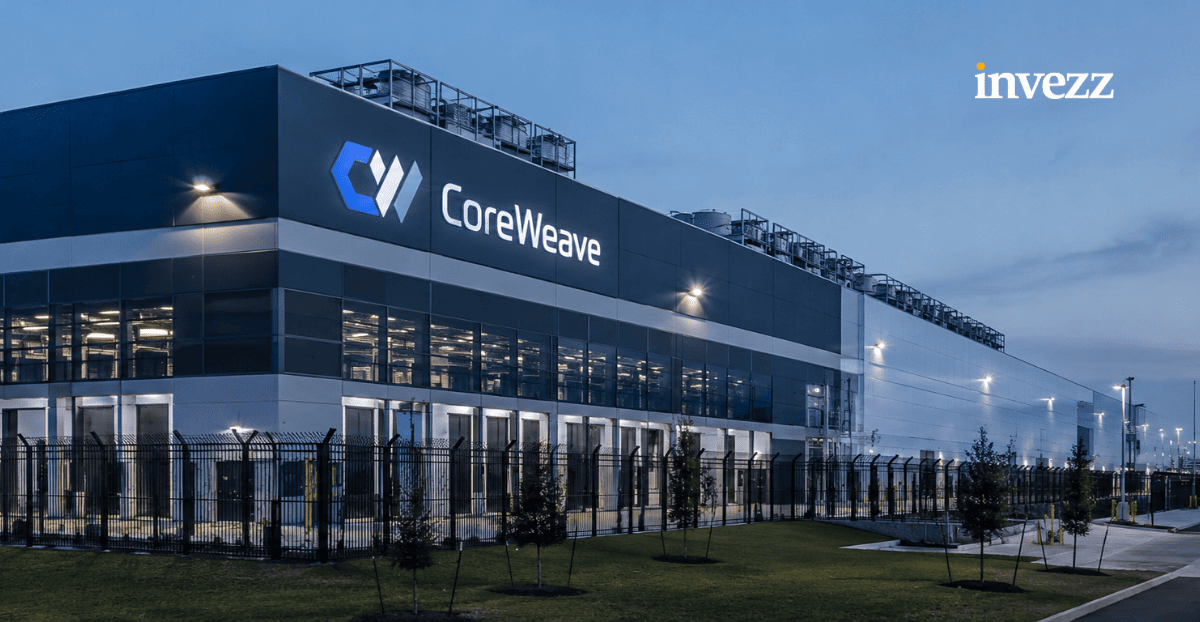
Shares of data-center operators and neocloud providers, including CoreWeave, IREN, and Nebius, remained under pressure as investors assessed the risk of tighter regulation following Democratic victories in Congress and key data-center states such as Texas. Concerns center on potential restrictions on electricity and water consumption, permitting delays, and opposition to new projects. UBS analysts estimate that around 30% of expected US data-center capacity additions in 2028 could be at risk. The industry was already facing concerns over debt, financing costs, and oversupply, and the election results have added another challenge to companies dependent on rapid AI infrastructure expansion.
Oil rebounds after steep plunge
Crude oil prices staged a modest recovery after two sessions of steep losses that erased much of the recent geopolitical risk premium. WTI traded around $89.5 a barrel, while Brent hovered near $96.7. The recovery follows Wednesday's roughly 8% plunge as investors priced in the possibility of reduced tensions in the Middle East following the Democratic victory. Traders are weighing hopes of diplomatic progress with Iran against continuing supply risks. Oil prices remain important for inflation expectations and energy stocks.
Semiconductor stocks slide
Chipmakers continued to face selling pressure as investors reassessed the outlook for AI infrastructure demand. South Korea's Kospi plunged more than 5%, with Samsung Electronics falling around 7.6% and SK Hynix losing nearly 9.5%. Foreign investors sold heavily amid concerns that slower US data-center construction could affect demand for high-bandwidth memory. The weakness in Asian memory-chip manufacturers added to pressure on US semiconductor stocks, which are already facing questions over valuations and the sustainability of AI spending. Chipmakers Nvidia, Intel, AMD, and Broadcom were all lower in premarket.
Weekly jobless claims ahead
The Labor Department will release weekly initial jobless claims, with economists expecting approximately 197,000 claims compared with 194,000 in the previous week. Investors will assess the data for signs of labor-market cooling ahead of Friday's October nonfarm payrolls report. Markets have been pricing in elevated odds of a December Federal Reserve rate hike. A lower-than-expected claims reading could reinforce expectations of tighter monetary policy, while a significant increase could temper them.
Qualcomm and Arm disappoint
Qualcomm and Arm Holdings struggled to impress investors with their latest results and were both down in premarket trading. Qualcomm reported handset chip revenue of $5.14 billion, below expectations, as higher memory prices and weaker smartphone demand weighed on its core business. Arm reported record revenue, but its shares also declined as investors remained cautious about its growth outlook. Meanwhile, investors will monitor earnings from ConocoPhillips, Airbnb, Cloudflare, and Cummins on Thursday, looking for signals beyond the technology sector.
This article is for informational purposes only and does not constitute financial advice.