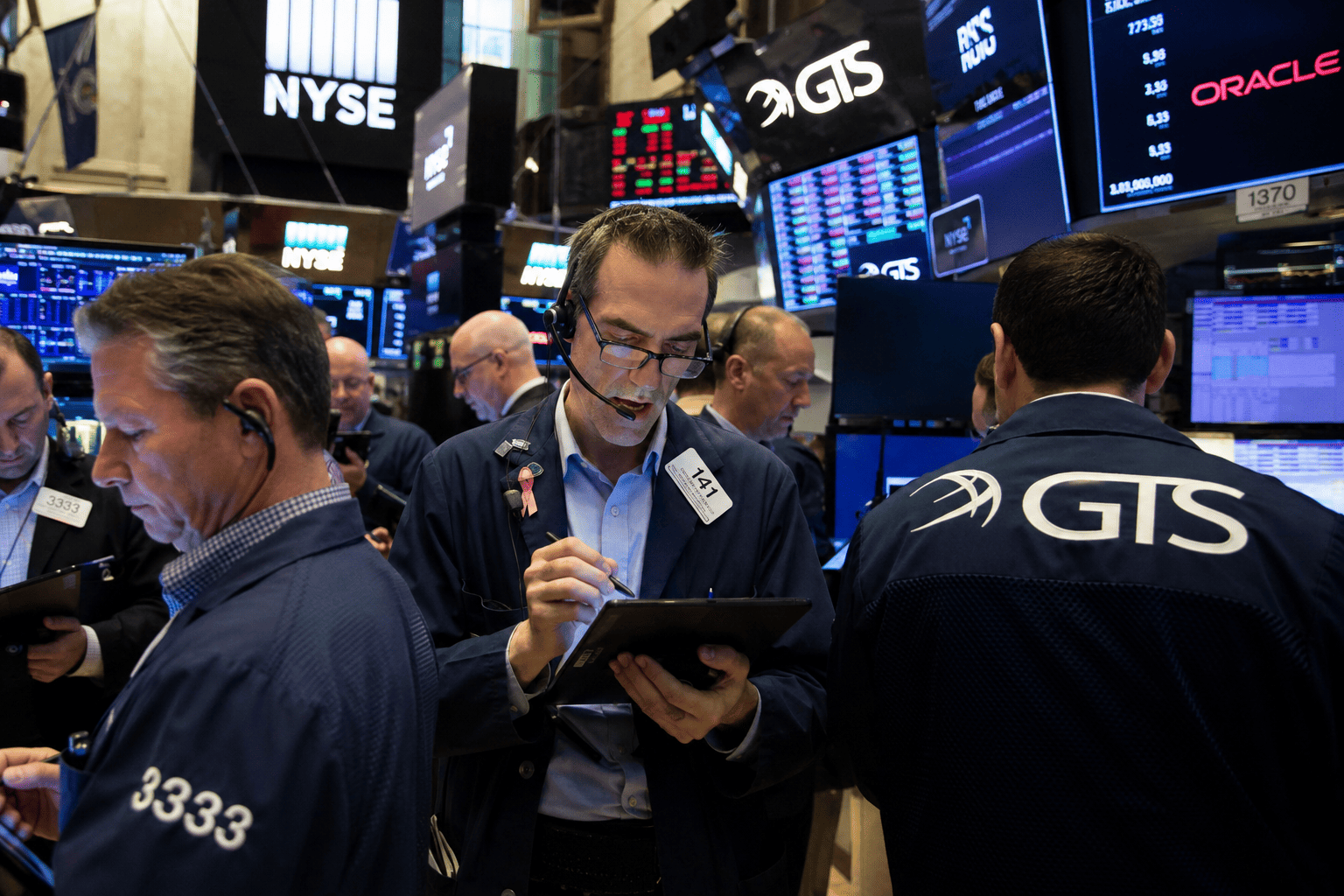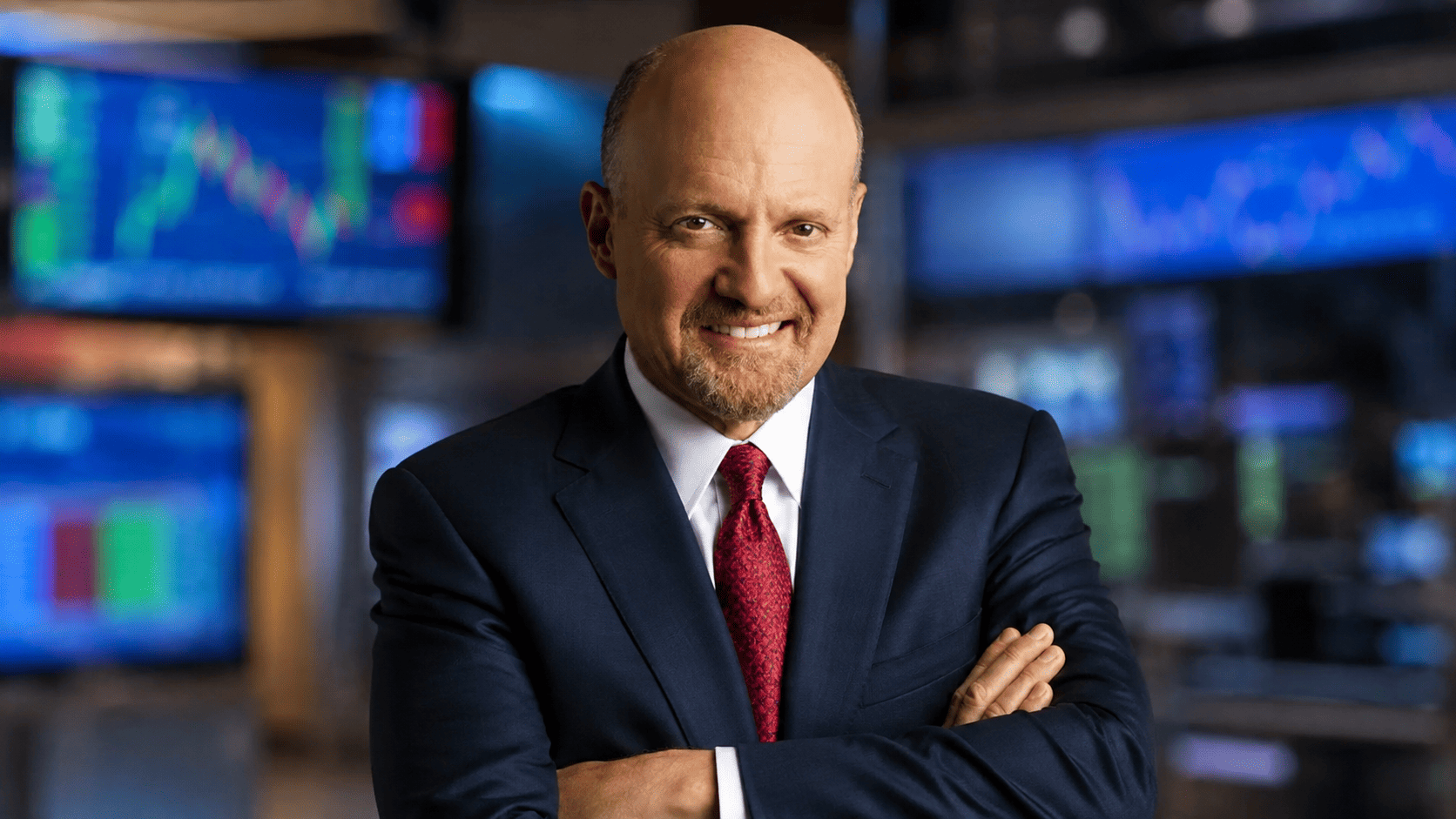
Jim Cramer has spent years watching investors try to outsmart the market, and he says the result is often a costly mistake. Since the S&P 500 bottomed in October 2022, the index has climbed roughly 118%, weathering aggressive Federal Reserve rate hikes, the 2023 regional banking crisis, tariff disruptions, and geopolitical tensions. Cramer's point is not that stocks can't fall, but that investors rarely get both the exit and the re-entry right.
"We could not have predicted either the big declines or the big rebounds," Cramer said, according to TokenPost. The challenge is that market timing requires two successful decisions: selling before a downturn and buying back at the right moment, often when headlines are scary and prices are swinging wildly.

The High Cost of Missing the Best Days
JPMorgan's historical analysis highlights the difficulty. Over the past two decades, seven of the S&P 500's ten best trading days occurred within 15 days of the ten worst days. In another illustration, a $10,000 investment left untouched grew to more than double the amount earned by an investor who missed only the ten strongest sessions.
That's why Cramer's warning resonates after such a strong run. Investors waiting for certainty may find that the rebound begins before the economic or political backdrop feels comfortable.
Record Highs Don't Mean It's Too Late
The obvious objection is that buying today is far different from buying near the 2022 low. The S&P 500 sits near record territory after more than doubling, with Treasury yields and market concentration posing risks. Yet LPL Financial's chief cross-asset strategist, Adam Turnquist, doesn't see the breakout itself as a reason to retreat.
"I'm not scared of a market breaking out to new highs," Turnquist told TheStreet on Monday. Asked whether investors should buy the breakout or wait for a pullback, he said: "I think you buy the breakout." Turnquist sees the path of least resistance remaining higher and has identified 8,000 as a technical target. He is not ignoring risk, as a move below roughly 7,600 would make him more cautious, while weak market breadth remains a warning sign.
Earnings Support the Rally
The strongest case against abandoning the market may come from earnings. Goldman Sachs strategists led by Christian Mueller-Glissmann upgraded their three-month view on global equities to overweight this week, arguing that profits remain supportive while recent valuation weakness has improved the risk-reward setup.
"Earnings growth remains supportive for equities and the recent valuation de-rating has improved asymmetry into the third-quarter earnings season," Mueller-Glissmann said, according to Bloomberg. Nationwide's Mark Hackett offered an even sharper comparison: forward 12-month S&P 500 earnings expectations have risen about 10% since the previous earnings season, while the index itself has gained 3%.
"I've rarely seen a better combination of fundamentals and technicals," Hackett told MarketWatch. That does not eliminate risks. Higher yields, expensive oil, and narrow breadth could still trigger a correction.
This article is for informational purposes only and does not constitute financial advice.