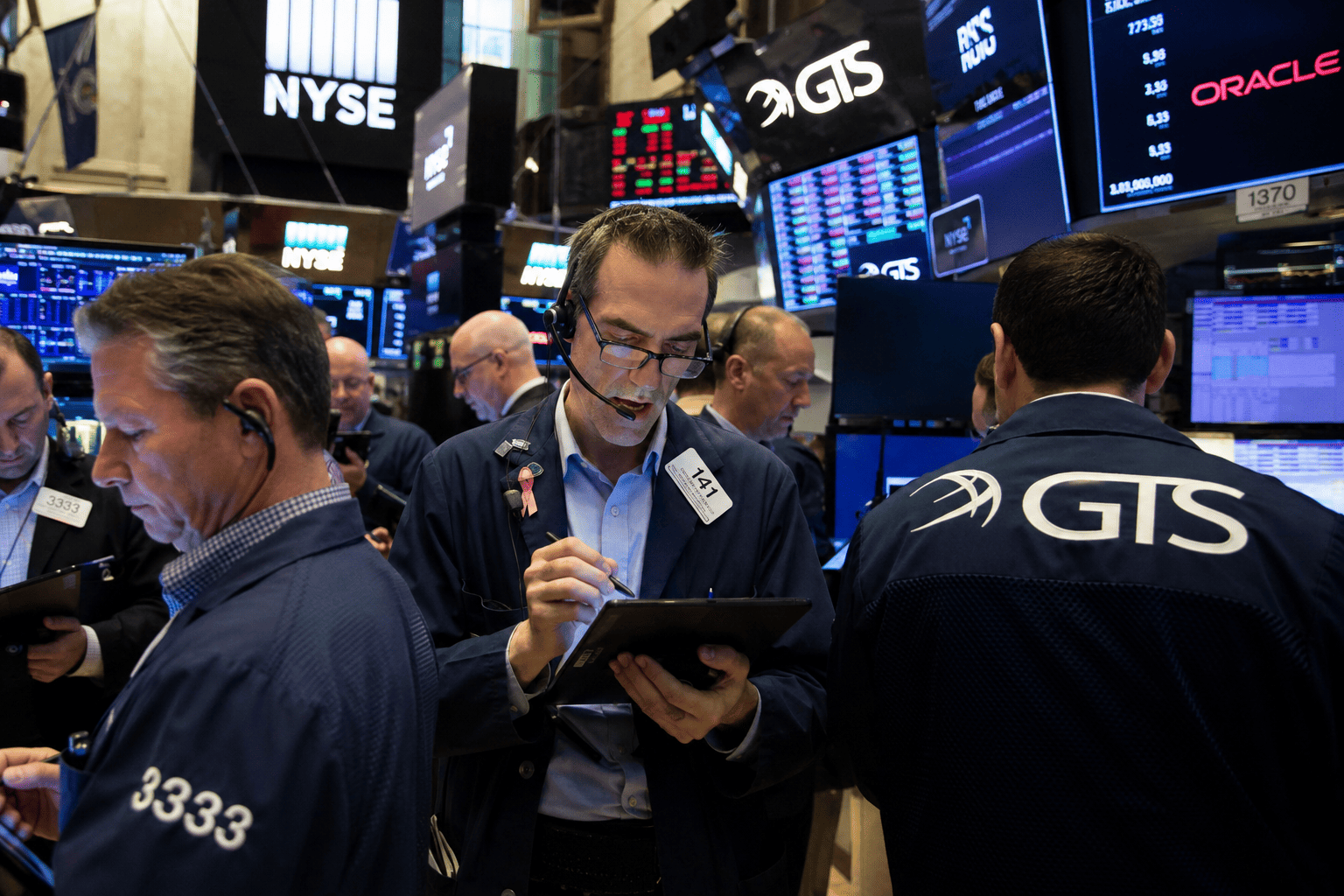
South Korean memory giants Samsung Electronics and SK Hynix, along with Japan's SoftBank Group, suffered sharp declines on Tuesday as a confluence of competitive, valuation, and macroeconomic pressures triggered a broad tech sell-off.
Samsung fell 8.8% and SK Hynix dropped 9.3% by mid-morning in Seoul, dragging the KOSPI down more than 6%. SoftBank lost 8.1% as Tokyo markets reopened after a holiday. The rout followed a 2.7% slide in the Philadelphia Semiconductor Index, reflecting persistent weakness in global chip stocks.

China's CXMT Threatens Memory Pricing Power
The immediate catalyst for the Korean sell-off was news from ChangXin Memory Technologies (CXMT), which claims progress on a 4F² DRAM cell architecture and plans to launch DDR5 server memory using the technology by year-end. This design could reduce cell area by roughly one-third compared with the industry-standard 6F² structure, potentially boosting density.
While CXMT has not proven it can manufacture the technology reliably at scale, its planned entry into server memory challenges a key assumption behind today's exceptional memory margins: that advanced supply remains concentrated among a few producers. Even Samsung's forecast of record quarterly operating profit of 107.4 trillion won failed to reassure investors, as strong profits are no longer sufficient if competition could eventually erode scarcity pricing.
SoftBank's AI Bet Under Scrutiny
SoftBank faces a different version of the same problem. The group completed its $30 billion follow-on investment in OpenAI this month, bringing cumulative investment to $64.6 billion and ownership to about 13%. CEO Masayoshi Son is also seeking up to $100 billion from Gulf investors for further AI investments, making SoftBank particularly sensitive to doubts about whether AI revenues can justify such enormous capital commitments.
Mizuho's Daniel O'Regan told Barron's that no single catalyst explains the AI retreat, pointing instead to negative industry updates, weakness in memory and optical stocks, and profit-taking after a powerful run.
Macro Headwinds Amplify the Sell-Off
The final pressure point is macroeconomic. Brent crude traded around $105.90, while the US 10-year Treasury yield remained near 5.21%, close to last week's 24-year high. “Markets are rediscovering that geopolitics matters most when it feeds back into inflation,” Saxo strategist Charu Chanana told Reuters.
Higher oil threatens inflation, while elevated yields increase the discount rate applied to future AI profits. This means Samsung, SK Hynix, and SoftBank are being forced to clear a higher valuation hurdle precisely as investors become less certain about the durability of those profits.
The overnight change is therefore not one piece of bad news. Memory competition, AI monetization, and financing costs have suddenly become problems at the same time, creating a perfect storm for these tech heavyweights.
This article is for informational purposes only and does not constitute financial advice.