The Roundhill Memory ETF (DRAM) has been trading sideways for the past two months, with shares hovering around $57 on Friday, a 30% decline from its yearly high. This consolidation phase comes despite strong performance from major memory chipmakers in the US, South Korea, and Japan. Investors are now questioning whether the fund presents a buying opportunity or if further declines are imminent.
Outflows Accelerate
Data from ETF Db reveals that DRAM has experienced outflows for seven consecutive trading days, with total assets under management shrinking by over $1.6 billion in the last 30 days. This persistent selling pressure reflects a broader investor retreat from memory-related equities, even as underlying companies report stellar financial results.

Samsung Electronics, a top holding in the fund, saw its stock drop to 252,000 won on Monday, significantly below its all-time high of 374,000 won. This decline occurred despite the company announcing an $80 billion share buyback and releasing preliminary results showing a third-quarter profit of $80 billion.
Strong Fundamentals vs. Market Skepticism
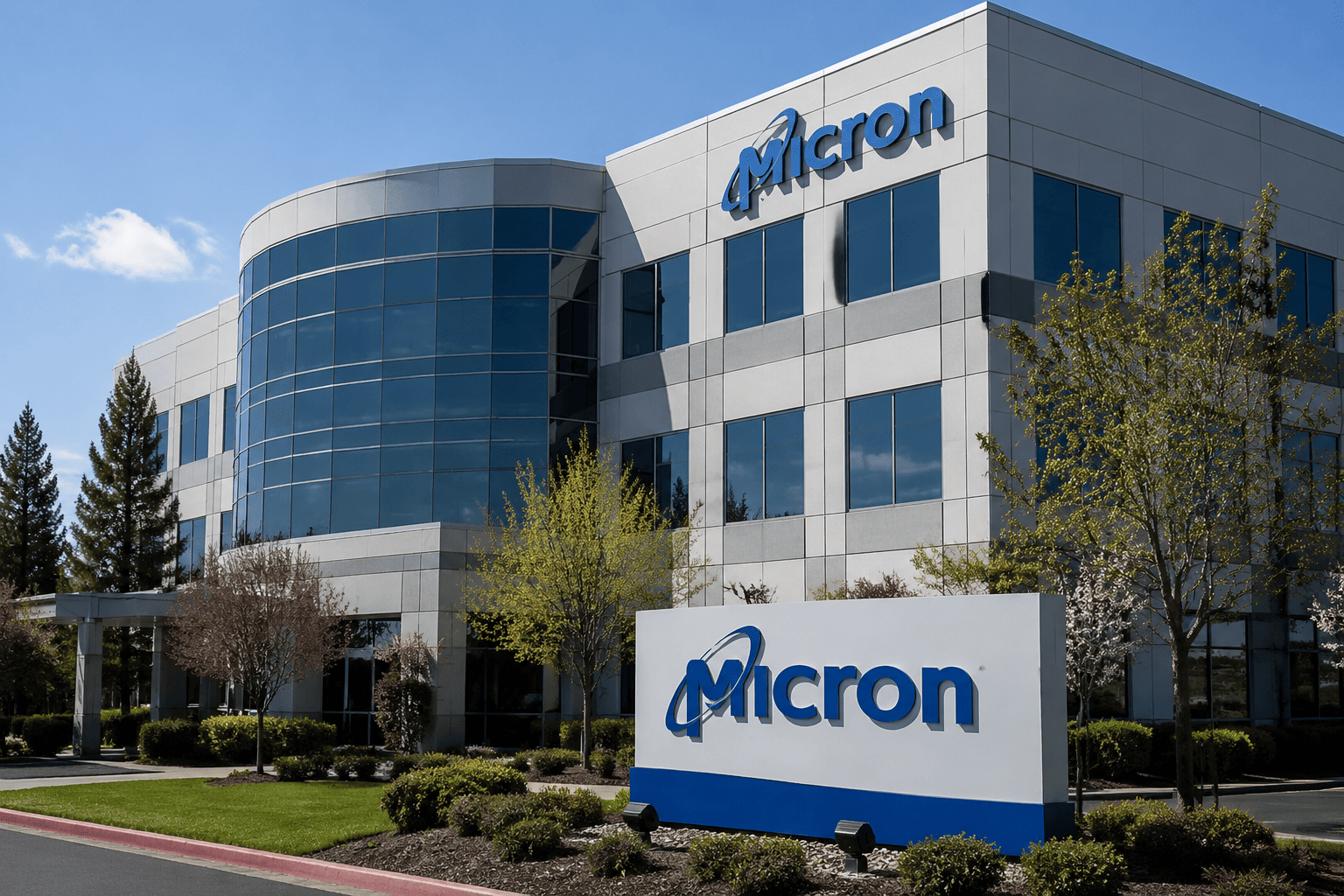
Micron Technology, another major component, reported a 379% surge in fourth-quarter revenue to over $54 billion. The company projects annual revenue to reach $275 billion, with expectations of $320 billion the following year. Analysts anticipate Micron will expand its share buyback program by more than $50 billion in December once CHIPS Act restrictions expire.
Other key holdings, including SK Hynix, Kioxia, SanDisk, and Western Digital, have also posted robust earnings and signaled accelerating growth driven by artificial intelligence demand. Despite these positive indicators, investors remain wary of a potential AI bubble burst, which could disproportionately impact memory companies.
Valuation Concerns
From a valuation perspective, DRAM's holdings appear undervalued. SanDisk trades at a forward price-to-earnings ratio of 7.36, while Micron sits at 8. Western Digital's forward multiple of 19 is slightly below the S&P 500's average of 19.2. South Korean giants Samsung and SK Hynix also trade at single-digit multiples.
This discount reflects fears of an oversupply in the memory market, which could depress prices over time. However, company executives argue that their supply is largely sold out for the foreseeable future, and long-term agreements with customers provide downside protection.
Technical Outlook
The daily chart shows DRAM forming an ascending channel, with the price currently at the lower boundary. The fund has fallen below its 50-period Exponential Moving Average (EMA), and the Relative Strength Index (RSI) has dropped below the neutral 50 level. These indicators suggest a likely breakdown, potentially targeting $50 before any recovery.
Given the combination of persistent outflows, technical weakness, and investor skepticism toward AI-related equities, the near-term risk for DRAM appears skewed to the downside. While the underlying companies boast strong fundamentals, market sentiment and technical signals point to further consolidation or decline.
This article is for informational purposes only and does not constitute financial advice.