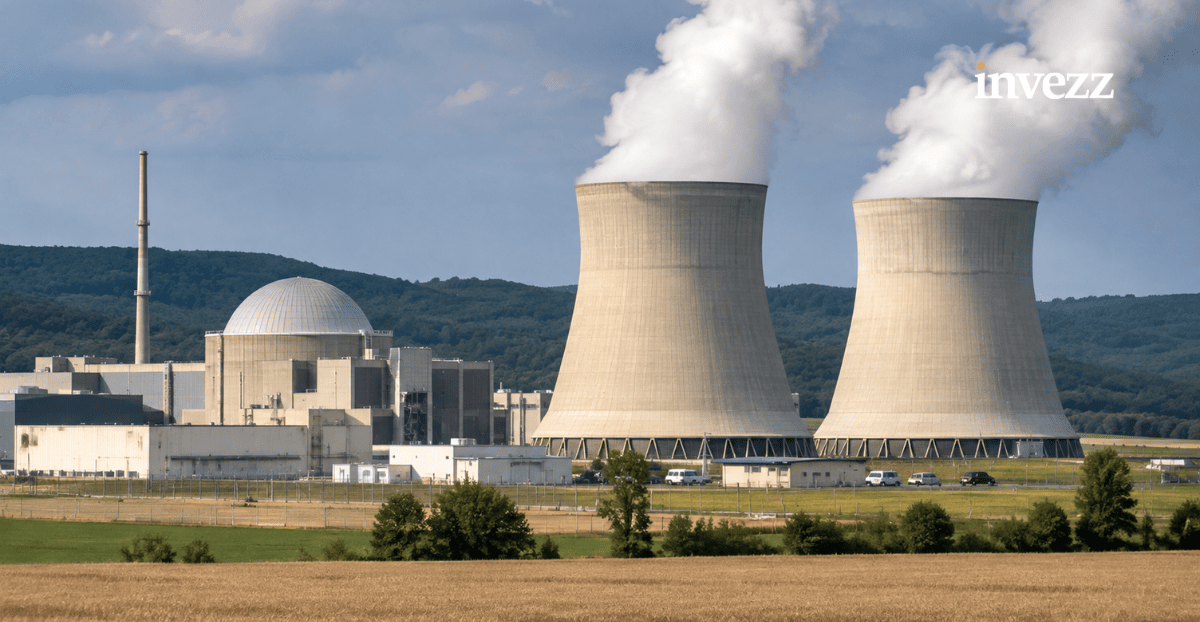
Constellation Energy (NASDAQ: CEG) reported impressive third-quarter results on November 9, with adjusted operating earnings of $5.06 per share and a raised full-year guidance to at least $12.5 per share. Revenue surged 45% year-over-year to $9.55 billion, driven by the January acquisition of Calpine and continued demand from artificial intelligence (AI) data centers.
Despite these headline numbers, investors should exercise caution before buying Constellation Energy stock at current levels. The market has already priced in a significant amount of optimism surrounding the company's AI-driven growth story.
High Expectations Already Priced In
Constellation's quarterly performance was undeniably strong, with adjusted operating EPS up nearly 70% and the second guidance raise this year. The results highlight growing demand for carbon-free electricity and new long-term agreements tied to AI-driven data center growth.
However, the Street has been anticipating this narrative for months. Constellation has become one of the most prominent AI-power beneficiaries, fueled by high-profile agreements with Amazon and Google and investor optimism about nuclear generation. As a result, expectations were already elevated heading into the earnings release.
When a stock is widely recognized as a premier AI infrastructure play, future returns depend less on good news and more on whether quarterly numbers substantially exceed already optimistic assumptions. While CEG beat estimates, the quarter did not fundamentally alter the longer-term narrative investors have been pricing into shares throughout 2026.
For bullish investors, the challenge is no longer proving that demand is growing. It is proving that future growth can consistently surpass expectations that are already exceptionally high.
Acquisition Risks and Financial Complexity
Another reason for caution is that much of the company's financial strength reflects the impact of the Calpine acquisition. Revenue surged to $9.55 billion from $6.57 billion a year earlier, but the comparison includes an expanded business footprint following the deal's completion. Acquisitions can create value, but they also bring integration challenges, execution risk, and higher financial complexity.
Management acknowledged higher interest expenses as a partial offset to otherwise favorable operating trends. Additionally, ambitious growth plans tied to nuclear uprates and generation expansion require substantial capital commitments and lengthy regulatory processes. Constellation recently highlighted agreements supporting over 1,000 megawatts of new emissions-free generation and secured a conditional DOE loan commitment for up to $5 billion. While these projects could drive future earnings growth, they also raise execution risk as material returns may not materialize for years.
How to Play Constellation Energy After Q3 Earnings
CEG's third-quarter print reinforces why it remains one of the most closely watched names in the power sector. Nuclear fleet performance remained exceptionally strong, management continues to secure long-term contracts, and earnings guidance moved higher once again. Those are all legitimate positives.
However, buying Constellation Energy shares is not the same thing as admiring a business. Investors must weigh future upside against current expectations. In CEG's case, the market has already spent much of the past year rewarding the company for its position at the intersection of AI, power demand, and nuclear energy. That leaves less room for disappointment and raises the bar for future earnings reports.
For investors considering new positions, the latest results may serve more as validation of an already well-understood thesis than as a compelling reason to buy the stock today. Strong earnings and higher guidance are encouraging, but they do not automatically translate into an attractive risk-reward profile when expectations are already running this high.
This article is for informational purposes only and does not constitute financial advice.