Semiconductor stocks staged a sharp rebound in early pre-market trading on Friday, as investors snapped up beaten-down shares following a brutal selloff that had wiped out billions in market value. Nvidia climbed more than 4%, Advanced Micro Devices advanced over 7%, and Intel rose around 5%, signaling that some market participants viewed the previous day's plunge as excessive.
The bounce comes after Thursday's devastating session, during which Nvidia plunged 9.26% to close at $181.60, its lowest level in seven months. AMD tumbled 17.26% to $404.40, while Intel dropped 10.33% to $52.25. The Philadelphia Semiconductor Index sank 12.25%, and the Nasdaq Composite lost 5.52%, officially entering correction territory.
AI Spending Concerns Persist
The selloff was triggered by a combination of factors, including Democrats' midterm election victories, which raised uncertainty about potential restrictions on data-center construction, electricity supply, and permitting. More fundamentally, investors are questioning whether major technology companies can generate sufficient returns on their massive investments in computing infrastructure, much of which is financed through borrowing.
Nathan Peterson, director of derivatives research at the Schwab Center for Financial Research, noted in commentary published Thursday that concerns about the funding and pace of AI infrastructure development predated the election outcome. The political shift simply intensified those doubts, he said.
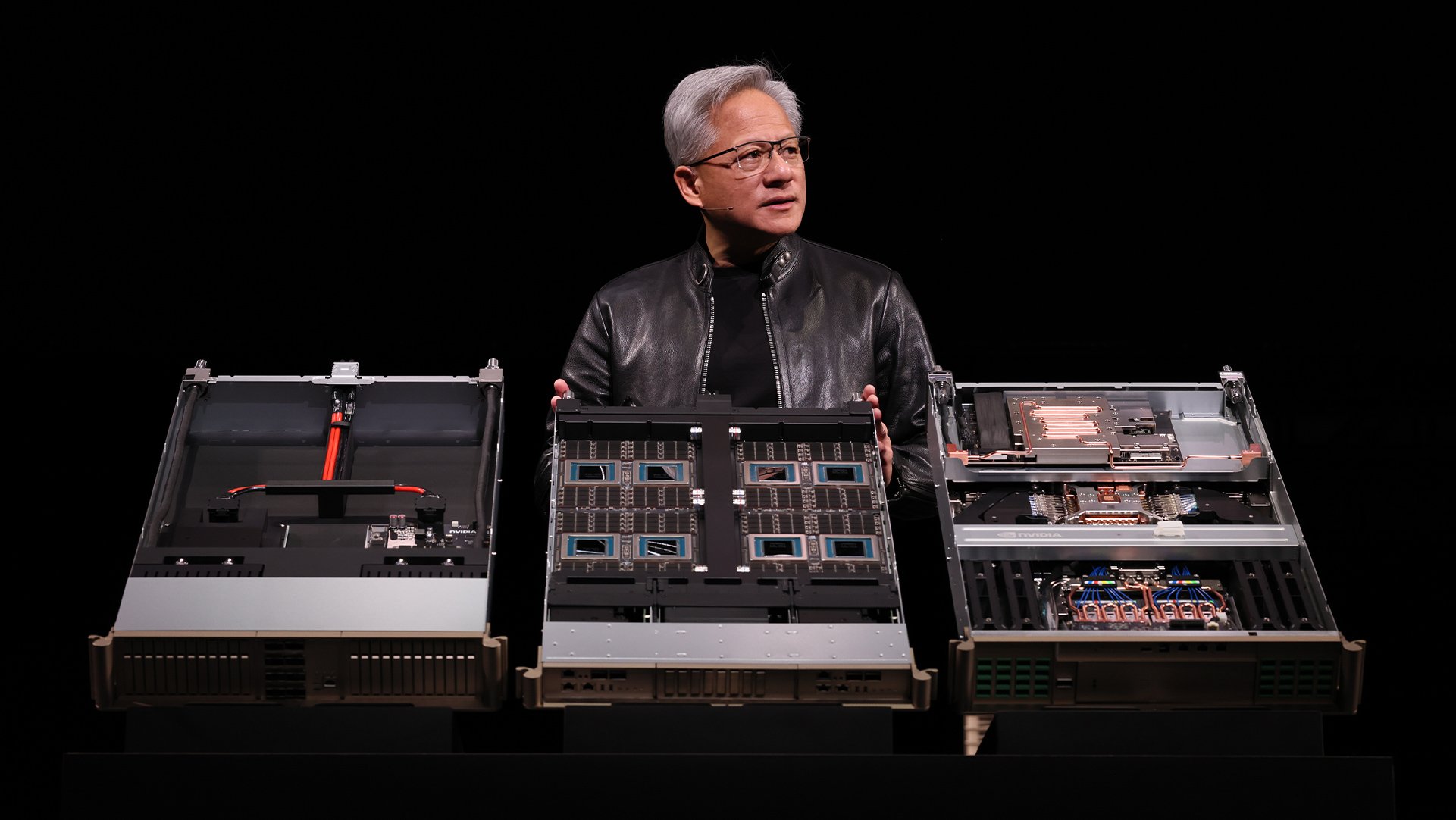
Nvidia's business remains closely tied to spending by cloud operators, so even a possible slowdown in that spending could undermine its valuation. The early Friday gains suggested some buyers considered the sell-off overdone, but the underlying worries remain unresolved.
AMD's Strong Earnings Contrast with Heavy Selling
AMD's pre-market rebound followed a 17.26% plunge on Thursday, despite the company reporting substantial growth in its AI hardware business. Third-quarter revenue increased 45% to $13.38 billion, with data-center sales surging 97% to roughly $8.5 billion, driven by Instinct accelerators and EPYC server processors. Adjusted earnings reached $2.09 per share, and management projected approximately $17 billion in fourth-quarter revenue, ahead of expectations.
Chief executive Lisa Su said in the November 3 earnings release that demand for Instinct and EPYC products continued to strengthen, and she expects production of newer systems to support faster growth in the December quarter. These figures suggest customers are still ordering powerful chips, despite concerns about infrastructure returns. However, shareholders are also assessing how much future growth was already reflected in AMD's valuation before Thursday's collapse.
Intel's Relief Rally Meets a Weaker Outlook
Intel's situation is different from that of Nvidia and AMD. Although third-quarter revenue rose 21% to $16.5 billion, the company forecast fourth-quarter sales of $15 billion to $16 billion, below Wall Street's roughly $17 billion estimate. Weak personal-computer demand and manufacturing supply constraints continue to cloud its recovery.
Steve Sosnick, chief strategist at Interactive Brokers, told Reuters on Friday that heavily owned AI stocks could rebound after steep losses without resolving the concerns behind them. He warned that an oversold market did not necessarily mean the underlying risks had disappeared.
AMP economist Shane Oliver offered a more measured outlook, telling Reuters that it was premature to declare a bottom, but the retreat could remain a correction if economic conditions held up.
This article is for informational purposes only and does not constitute financial advice.