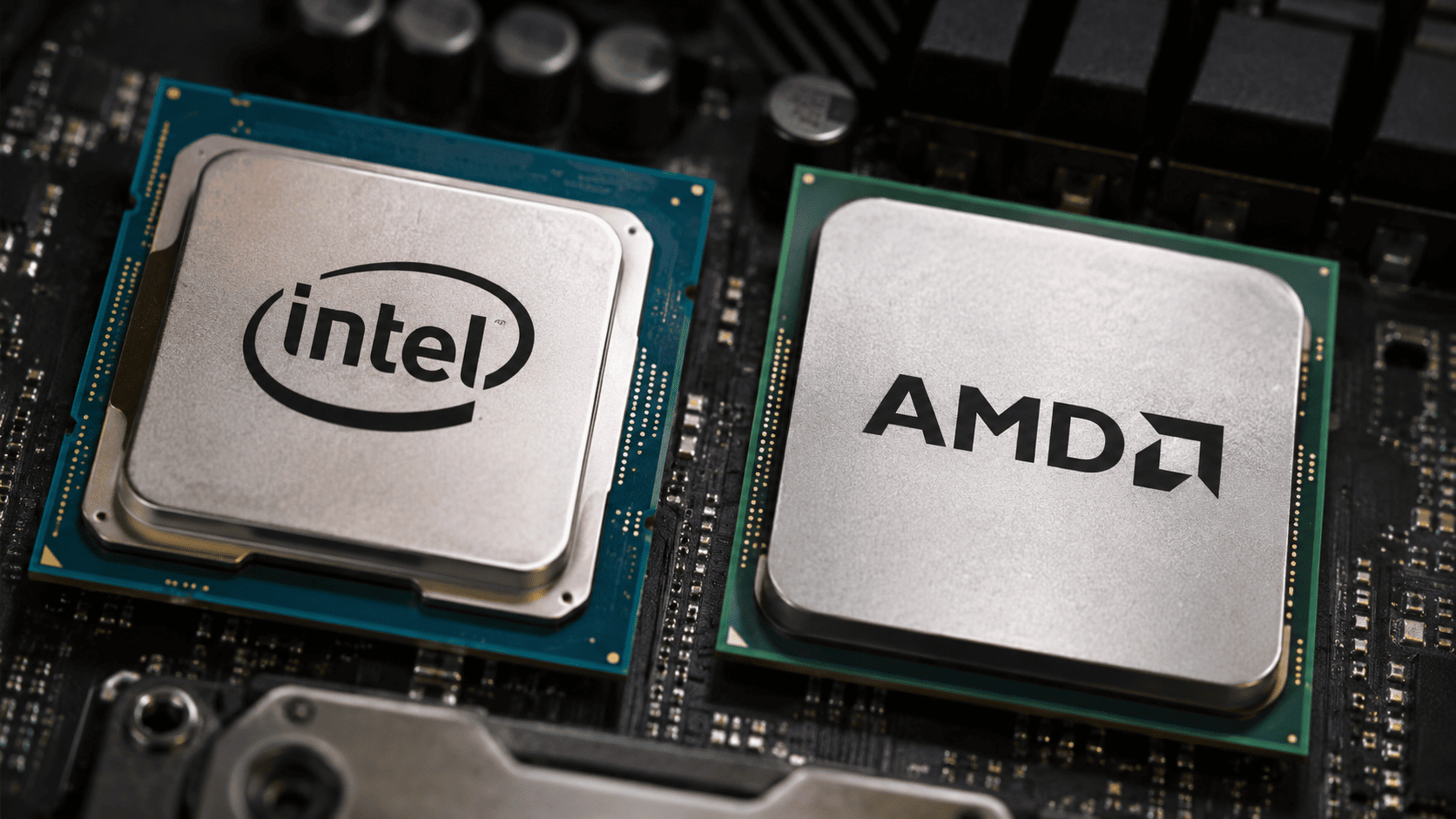
Intel and Advanced Micro Devices shares suffered steep declines on Thursday as a broad technology selloff intensified, with semiconductor stocks bearing the brunt of the selling pressure. Intel fell approximately 7%, while AMD dropped 14%, contributing to a sharp downturn across major indices. The Dow Jones Industrial Average lost nearly 3%, the S&P 500 fell 3.7%, and the Nasdaq Composite tumbled 4.95%.
The selloff was driven by continued pressure on AI-related stocks following the US midterm elections, as investors reassess the sustainability of AI-driven growth and its impact on semiconductor companies. Concerns about data center spending, rising memory costs, and the durability of AI demand have prompted a cautious stance among market participants.
Intel's Prolonged Decline
Intel shares have been under sustained pressure, with the stock now down more than half its value over the past month. The decline accelerated after the company's late-October earnings report, which triggered a 29% single-day plunge. Weak guidance, supply chain setbacks, and softness in the PC business have weighed heavily on investor sentiment.
Despite a recent insider purchase by CEO Lip-Bu Tan, who bought $9.7 million worth of shares through his family trust, the stock has continued to slide, trading more than 12% below his purchase price. The US government's investment in Intel has also eroded in value; Washington acquired a 9.9% stake in August 2025, which was valued at around $50 billion on October 5 but is now worth approximately $24 billion, still above the initial $8.9 billion investment.
According to FactSet data, over 60% of analysts covering Intel rate the stock a Hold, reflecting uncertainty about its near-term recovery prospects.
Morningstar's View on AMD and Nvidia
Morningstar has raised its fair value estimate for AMD to $570 per share from $530, while maintaining a fairly valued rating. The research firm continues to view Nvidia and Intel as undervalued, with fair value estimates of $570 and $85, respectively. These estimates imply potential upside of around 18% for AMD, 50% for Nvidia, and 40% for Intel.
Morningstar analyst Brian Colello noted that AMD would need to strengthen its software capabilities to challenge Nvidia's AI dominance, as Nvidia benefits from both its graphics processing units and its associated AI software tools. However, Morningstar remains optimistic about AMD's longer-term opportunity, projecting its server CPU revenue to grow by more than 100% in 2027, up from a previous forecast of over 70%. The firm also expects AMD's overall revenue to grow at a compound annual rate of 44% between 2026 and 2030, assuming a temporary pause in demand before growth resumes.
Memory Costs and Market Uncertainty
Morningstar warned that rising memory prices could weigh on AMD's PC business in 2027 by affecting production and consumer demand. The firm cited Apple CEO John Ternus' description of current memory pricing as "unprecedented." Colello said AMD's lower client PC forecast was consistent with Intel's recent comments about the market, though AMD may be less exposed due to its smaller PC business and greater focus on premium computers.
Market views on the broader semiconductor selloff remain divided. Wedbush analyst Dan Ives told Bloomberg that chip stocks could fall another 10% to 12%, describing the current period as a "gut check" for technology investors. In contrast, Fundstrat's Tom Lee called the pressure on AI-related stocks an "overreaction," telling CNBC that technology stocks could rally 20% from current levels if hedge funds return to the sector before year-end.
As the selloff deepens, investors are closely monitoring earnings reports, memory price trends, and the trajectory of AI spending to gauge the sector's near-term direction.
This article is for informational purposes only and does not constitute financial advice.