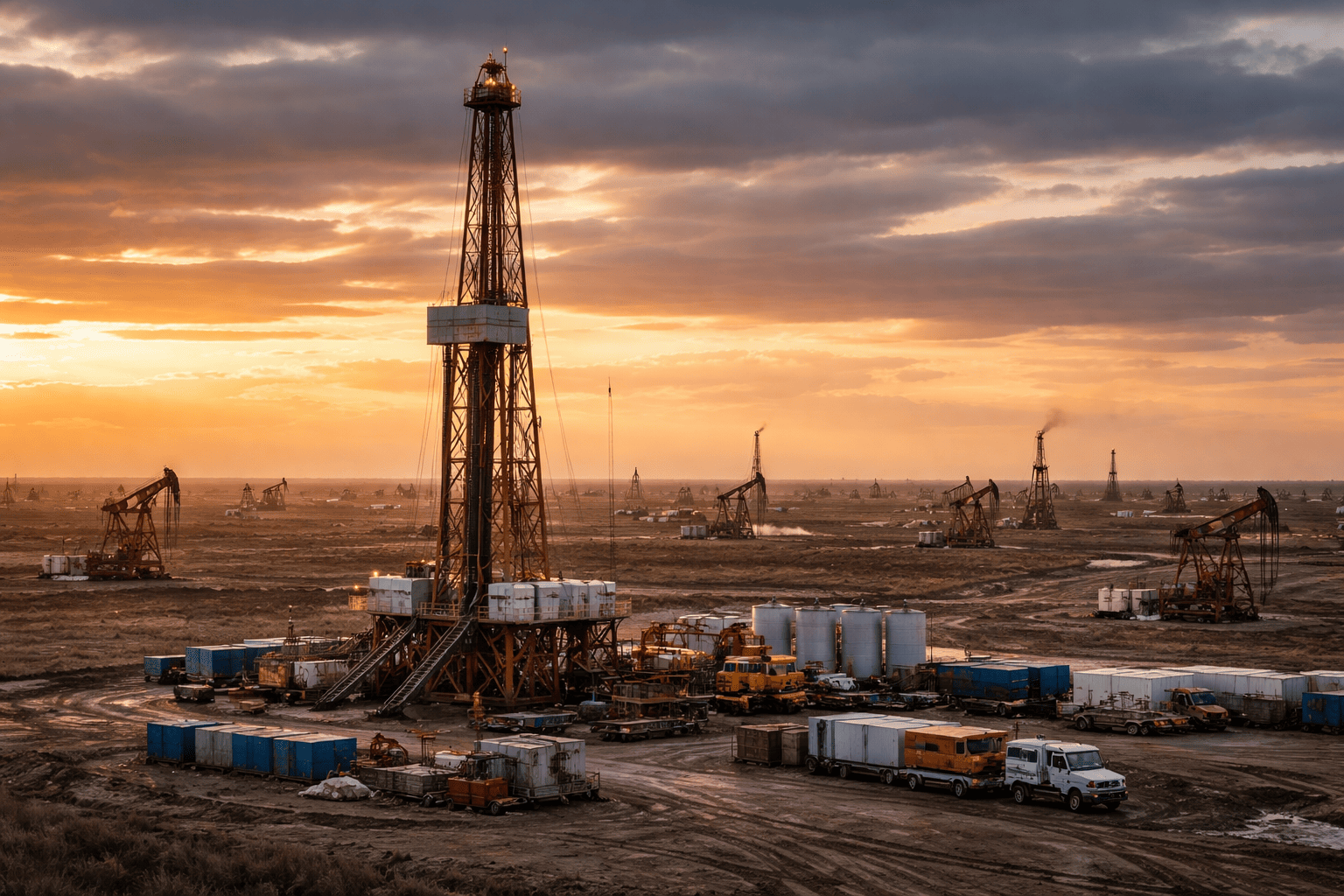
Oil prices surged to a six-week high on Monday as renewed military action between the United States and Iran raised fresh concerns about disruptions to global crude supplies. Brent crude futures, the international benchmark, rose 1.5% to $97.73 a barrel, touching $97.93 earlier in the session—its highest level since July 23. West Texas Intermediate (WTI) gained 1.8% to $93.10, also a late-July peak.
The escalation follows a weekend of heightened hostilities. According to US Central Command, American forces struck three Iranian oil tankers on Saturday after Iran launched ballistic missiles at two US Navy warships. CENTCOM described the vessels as part of a “multibillion-dollar shadow network” that funds Iran’s Revolutionary Guard and regional proxies. Iran’s Foreign Ministry condemned the attacks as a “war crime” and an act of “economic warfare.”
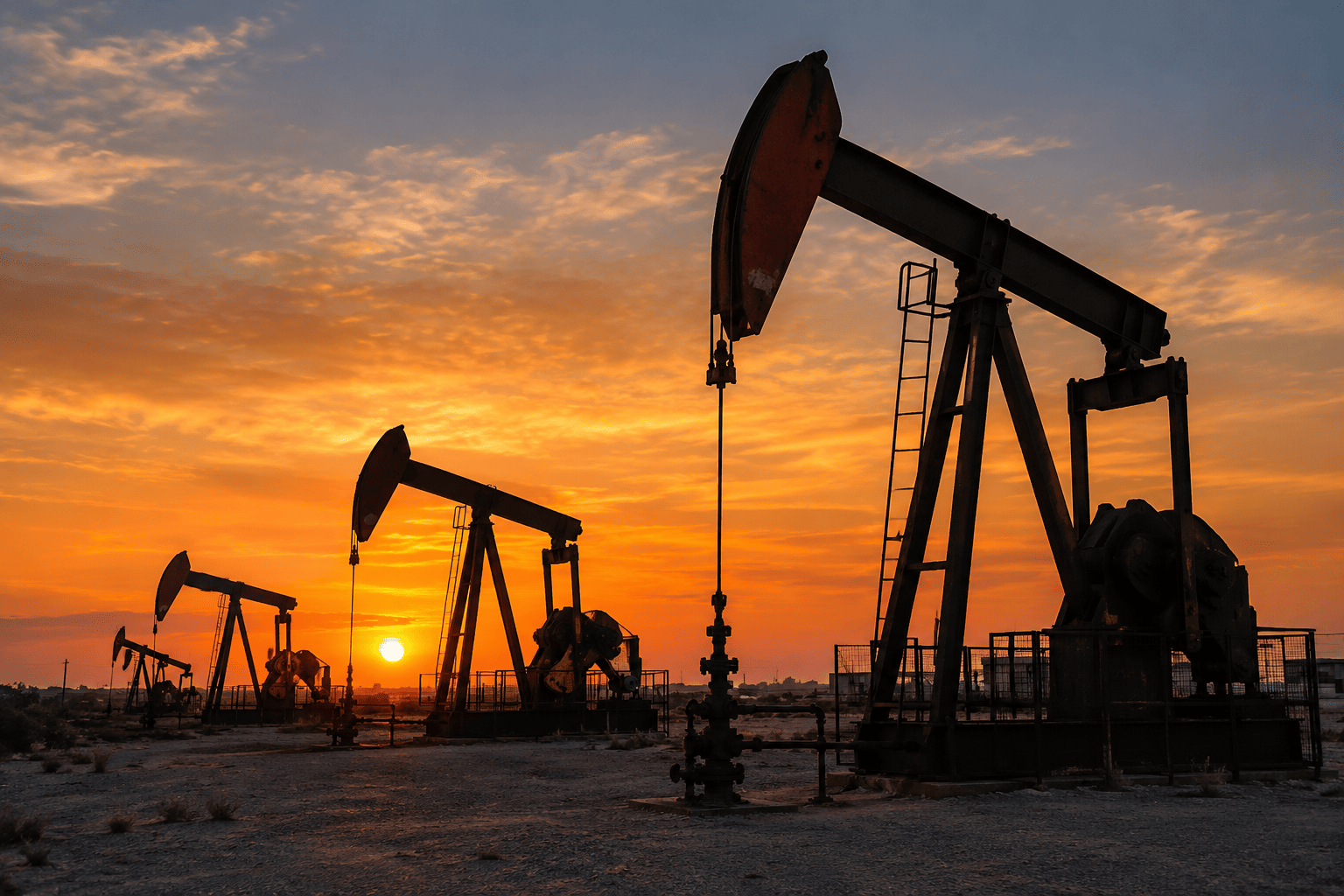
Adding to the supply concerns, Saudi Aramco facilities were hit in fresh strikes on Monday, with damage being assessed at a refinery in Jizan capable of processing 400,000 barrels per day, as reported by the Financial Times. The attack’s perpetrators were not immediately identified, but the incident injects further uncertainty into an already tense market.
The latest flare-up marks a return to conflict after roughly a month of relative calm, with the war now past its six-month mark. Since late February, Brent has climbed more than 33%, while WTI has gained over 37%. The rally follows a sharp reversal earlier this year: Brent spiked to around $126 in late April before sliding to just above $70 in early July on hopes of a ceasefire. Those hopes have faded, and hostilities have resumed.
The renewed rise in crude is feeding through to other energy markets. US gasoline and diesel prices both hit record highs for the Labor Day weekend, adding to inflationary pressures. OPEC Plus decided on Sunday to keep production unchanged for October—the first time since April it has not increased output—though previous increases were largely symbolic given the conflict’s disruption to Gulf exports.
The oil rally is also spilling into interest-rate markets. Long-dated government bond yields have moved higher, with 10-year Treasury yields near their highest levels since January 2025. European long-dated yields have also edged up. The moves reflect geopolitical uncertainty and renewed worries that higher energy costs could make it harder for central banks to tame inflation. As a result, investors have reassessed the Federal Reserve’s rate outlook ahead of its September meeting: the market-implied probability of a rate hike stood at around 66% on Monday, up from roughly 41% a week earlier.
Analysts warn that continued disruptions could tighten supplies further as strategic reserves are drawn down. The situation remains fluid, with the potential for further escalation keeping markets on edge. For related coverage, see oil's response to Hormuz supply fears and broader market moves from Iran strikes.
This article is for informational purposes only and does not constitute financial advice.