Escalating military action between the United States and Iran near the Strait of Hormuz is stoking fresh concerns about global energy supplies, pushing crude prices higher and adding to inflationary pressures. Meanwhile, Alphabet's autonomous-driving unit Waymo is reportedly close to securing more than $3 billion in debt financing, and gold has bounced off recent lows as Treasury yields and the dollar retreat.
US-Iran clashes intensify, Hormuz risks mount
The US military conducted a second round of strikes in three days, targeting radar systems and mine-laying capabilities along Iran's southern coast. Iran retaliated with drone and missile attacks on US bases across the Middle East. Tehran accused Washington of striking a wedding ceremony in the coastal city of Sirik, with Iran's Red Crescent Society reporting at least four deaths and about 67 injuries. US Navy Captain Tim Hawkins, a Centcom spokesperson, said, "The US military never targets civilians."

The renewed fighting marks a departure from a period of relative calm that had allowed oil shipments through the Strait of Hormuz to recover to roughly half of pre-war levels. Further disruptions could impede the flow of oil, gas, and other commodities, potentially amplifying energy costs and inflation.
Waymo moves toward $3B debt deal
Waymo is in the final stages of discussions to raise more than $3 billion in debt, according to a Bloomberg report. Blackstone and Sixth Street Partners are among the lenders, with Pacific Investment Management Co. also participating. The debt would be unrated and could price at more than 500 basis points over the benchmark. This marks a strategic shift for Waymo, which has traditionally relied on equity financing, having raised $16 billion earlier this year at a $126 billion valuation.
The company is diversifying its capital sources as it expands its driverless fleet and contends with rising AI-related costs. Waymo aims to operate 1 million paid weekly rides across 20 cities globally this year. It currently provides more than 500,000 paid trips each week in 14 US cities and is preparing to test its service in London and Tokyo. This move comes amid broader AI-driven momentum in tech, as seen in Amazon's recent gains and ServiceNow's positive outlook.
Gold rebounds as yields and dollar retreat
Gold prices recovered Wednesday after falling to their lowest level since Aug. 7 earlier in the session. Spot gold rose 1.24% to $4,382.18 an ounce, while US gold futures for December delivery gained 0.68% to settle at $4,426.20. The rebound came as the US dollar and Treasury yields pulled back from recent highs. Investors are now awaiting Friday's nonfarm payrolls report for further clues on the Federal Reserve's policy path. US private payroll growth was weaker than expected in August, but gold remained largely unchanged as markets focused on the upcoming report. Traders were pricing a 64% chance of an interest-rate hike at the Fed's September meeting, according to the CME FedWatch Tool.
Oil prices climb as Hormuz disruptions threaten supply
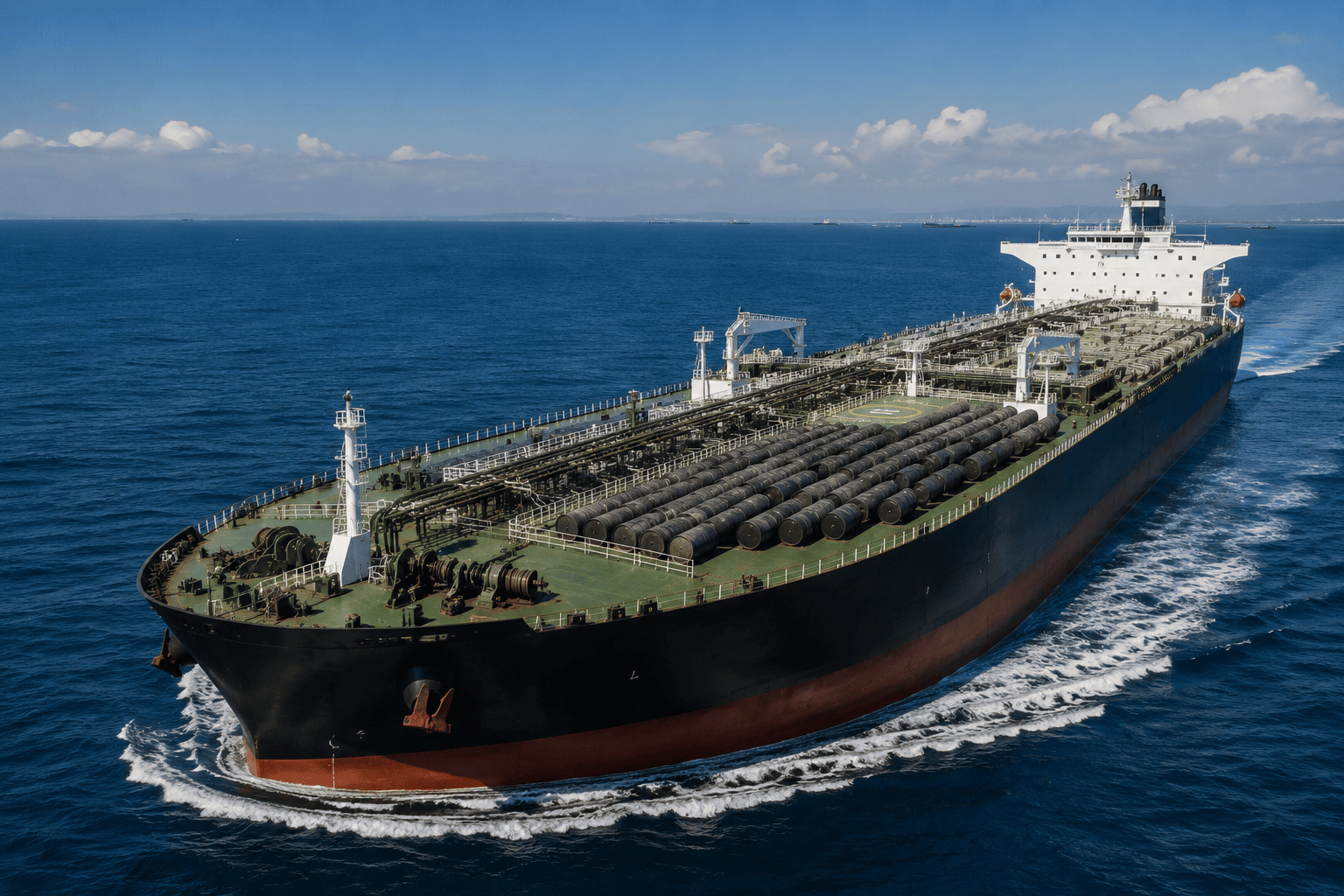
Brent crude rose 0.9% to $95.53 a barrel, while West Texas Intermediate futures gained 70 cents to $90.92. Both benchmarks moved sharply during the session, alternating between gains and losses. The Strait of Hormuz remains a critical chokepoint, carrying about one-fifth of global oil and LNG consumption before the conflict. Preliminary Kpler data showed four commodity vessels transited the waterway Tuesday, below the 10-day average of about 13. Iran's Revolutionary Guards said two oil tankers hit sea mines and were disabled while attempting to transit the strait, and warned that US attacks would further restrict traffic.
Meanwhile, US crude inventories fell by 4.5 million barrels last week, according to the Energy Information Administration, compared with expectations for a 1.1 million-barrel decline. The combination of geopolitical risk and tightening supplies is keeping energy markets on edge.
Investors are also monitoring the broader market implications of these developments. The recent S&P 500 year-end target upgrade reflects optimism about AI and market structure, but energy price shocks could test that resilience. As the situation evolves, market participants will be watching for any further escalation that could disrupt global supply chains and influence central bank policy decisions.
This article is for informational purposes only and does not constitute financial advice.