The Roundhill Memory ETF has climbed nearly 18% over the past month, as investors bet on a sustained memory upcycle driven by artificial intelligence infrastructure. The fund, which tracks major memory chipmakers, has benefited from a tightening supply-demand balance in DRAM and high-bandwidth memory (HBM).
AI Buildout Fuels Memory Demand
According to a report from Seeking Alpha, citing Taiwan-based research firm TrendForce, memory is becoming a larger share of cloud service providers' capital expenditures. DRAM and NAND Flash are projected to account for 47% of cloud capex in 2026, rising to 68% in 2027. This shift is largely attributed to the growing need for HBM, which is essential for AI workloads.
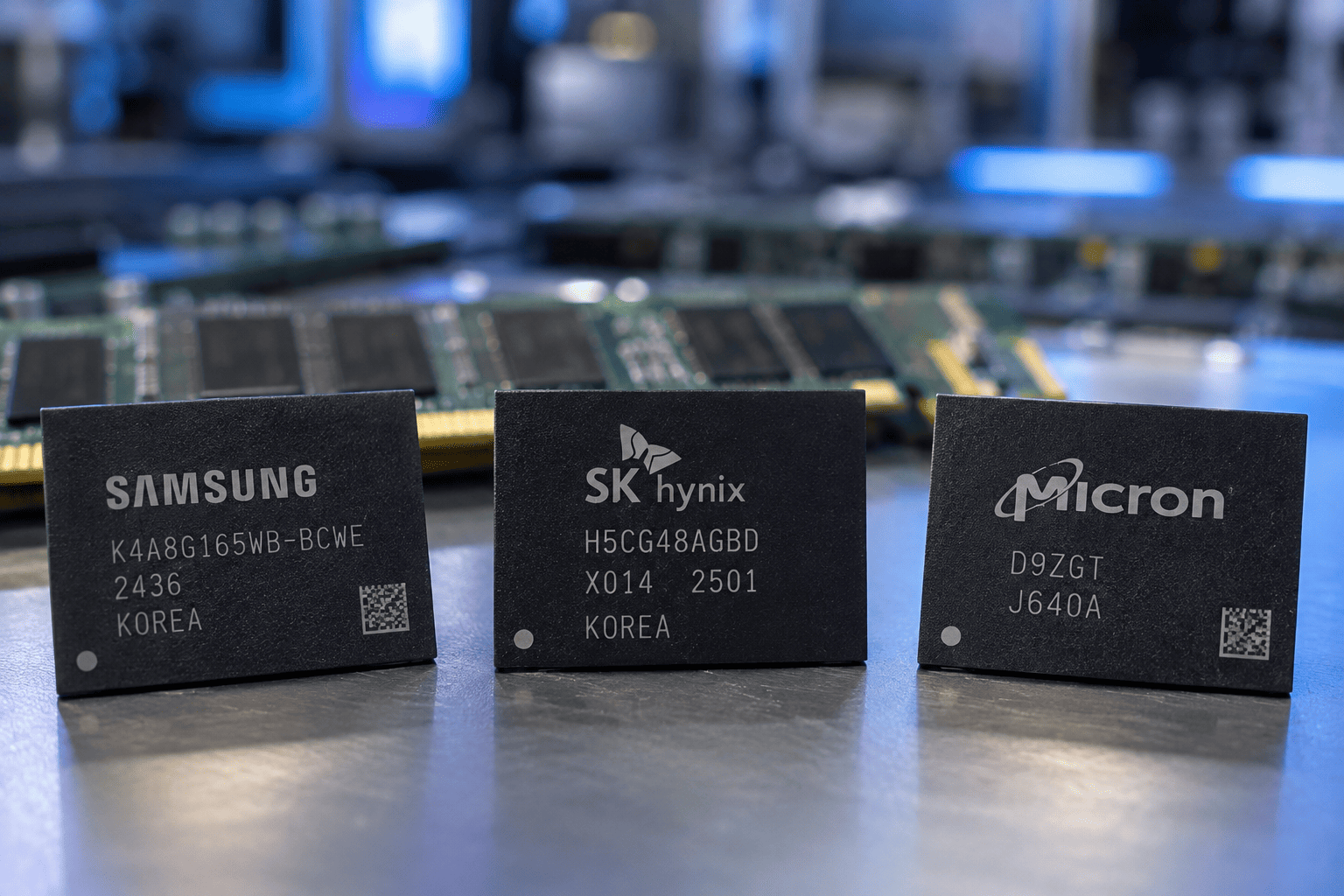
HBM production is wafer-intensive, requiring three to four times the wafer capacity of traditional DDR5 memory. As manufacturers like Samsung, SK hynix, and Micron allocate more capacity to HBM, conventional DRAM supply tightens, pushing prices higher.
DRAM Prices Spike
The supply crunch is evident in spot prices. DDR5 16G DRAM prices jumped from $6.20 per unit in early August 2025 to $54 by September 3, 2026—a staggering 775.6% increase. This price surge has boosted profitability for major memory makers, with Samsung recently overtaking Nvidia as the world's most profitable company, according to the report.
Despite the favorable backdrop, the ETF previously suffered a sharp decline from above $80, attributed to forced liquidation of leveraged retail positions in South Korea rather than fundamental deterioration. The report suggests that valuations and shareholder-return programs at the three major manufacturers could provide additional support.
Concentration: Opportunity and Risk
Samsung, SK hynix, and Micron account for roughly 73% of the Roundhill Memory ETF's assets. This concentration offers targeted exposure but also amplifies the impact of company-specific news. A weak quarter from one of these giants or a cut in AI infrastructure spending by a major hyperscaler could weigh heavily on the fund.
Memory markets are historically cyclical, and prices can reverse quickly. However, the current cycle may differ from past booms because HBM is now integral to AI workloads. While AI spending could eventually normalize, a collapse in HBM demand appears unlikely as long as cloud providers continue expanding.
For passive investors seeking to capitalize on the memory chip boom, thematic ETFs like this one provide a convenient avenue. However, they should be mindful of the inherent volatility and concentration risks. As always, thorough research and a long-term perspective are essential.
This article is for informational purposes only and does not constitute financial advice.